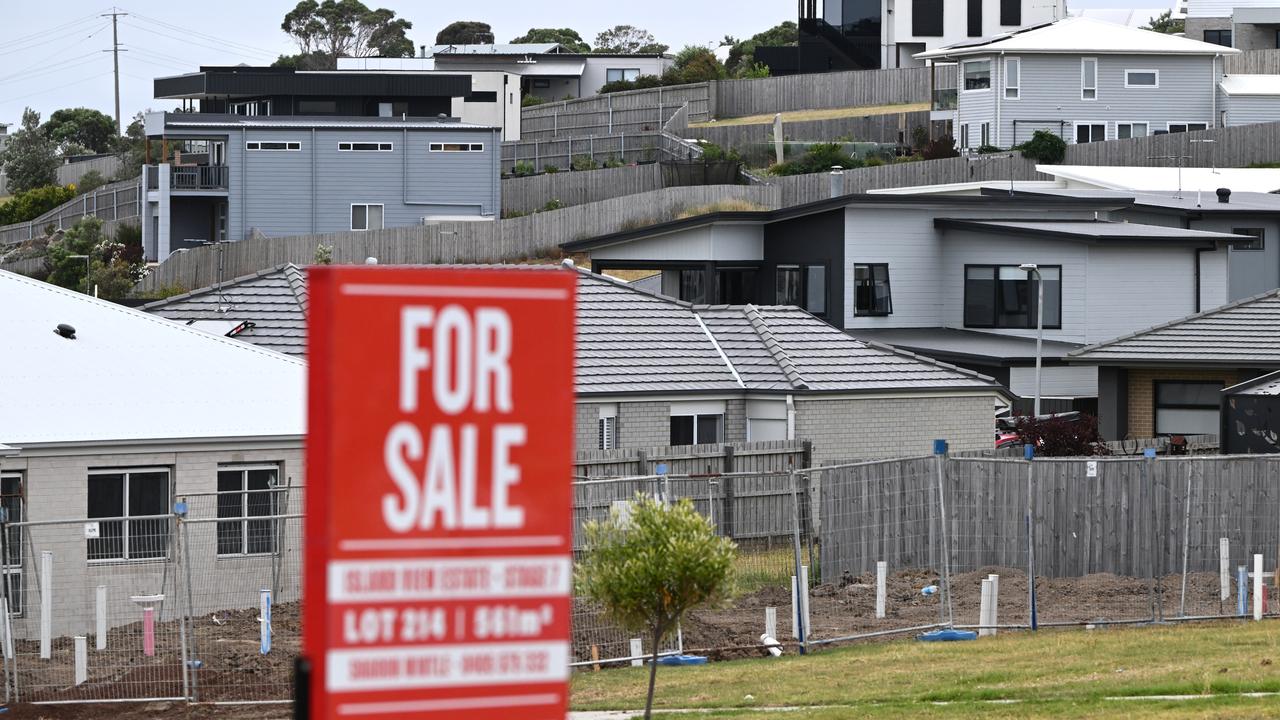
Restricting Australia's migrant intake is not a silver bullet that will fix the nation's housing crisis, an influential think tank has warned, challenging an argument often put forward by coalition MPs.
Australia's shortage of homes is not an inevitable consequence of immigration, but instead the result of not enough dwellings being built, a report released by the pro-free-market Centre for Independent Studies has found.
The research paper suggests that while the intake of migrants might add to price pressures in some circumstances, the main driver of high prices is housing supply.
"The strongest version of the anti-immigration housing argument says more people always mean higher housing costs," author Marian L Tupy said.
"The research evidence does not support that strong claim.
"Population growth alone does not produce today's housing shortage. The shortage appears when governments ration land use, delay approvals, cap density in high-demand areas, and then act surprised when prices rise."
Despite requiring homes to live in, skilled migrants also fill crucial roles as engineers, planners, surveyors, architects and project managers, the report says.
Dr Tupy said planning reforms were the most effective way of getting more homes built quickly.
He pointed to 2016 reforms in Auckland, which allowed for increased housing density across large parts of the city.

Six years after the change, rents were between 22 and 35 per cent lower than they would have been otherwise, one study found.
"More people do increase demand for housing. But the evidence is clear: prices rise most sharply where supply is slow, constrained or blocked," Dr Tupy wrote.
The paper recommends making it easier for skilled migrants to enter Australia - particularly those who work in the housing sector.
The coalition wants to slash Australia's migrant intake, and former opposition leader Sussan Ley drew up a policy to ban people from some parts of the world from entering Australia.
But the party is yet to publicly announce its full policy.
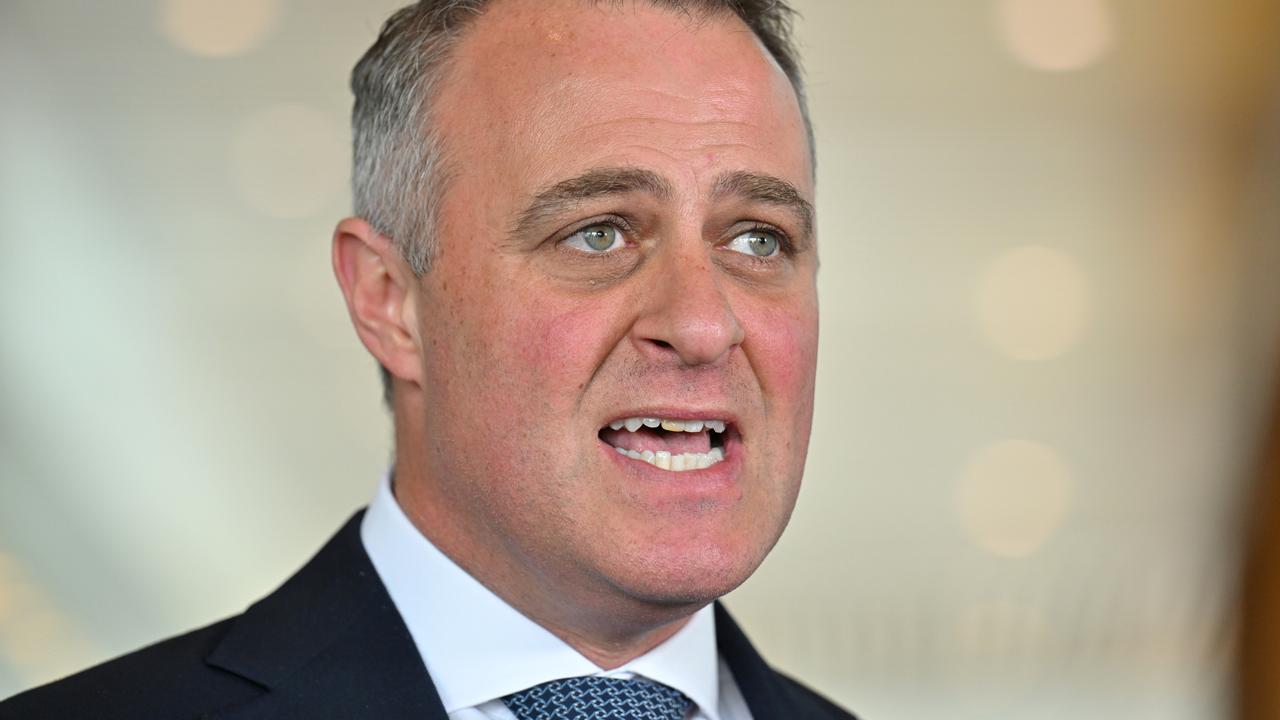
Asked about the issue on Wednesday, shadow treasurer Tim Wilson said he was keen to ensure new migrants were advancing the national interest.
"We have Australians who build housing. It's not just up to skilled migrants who build housing in Australia," he told reporters in Canberra.
"The one thing that won't sustain my great confidence in our migration program is illegal arrivals, or when the government - as it did post-COVID- took a massive bounty of migrants into Australia ... that sent shocks through the housing market," Mr Wilson said.
Opposition Leader Angus Taylor has repeatedly linked the issues of housing supply and immigration.
"If the numbers are out of balance with housing, with services, with infrastructure, then people in electorates like mine are going to say, enough," he told the Australian Financial Review business summit on Tuesday.