
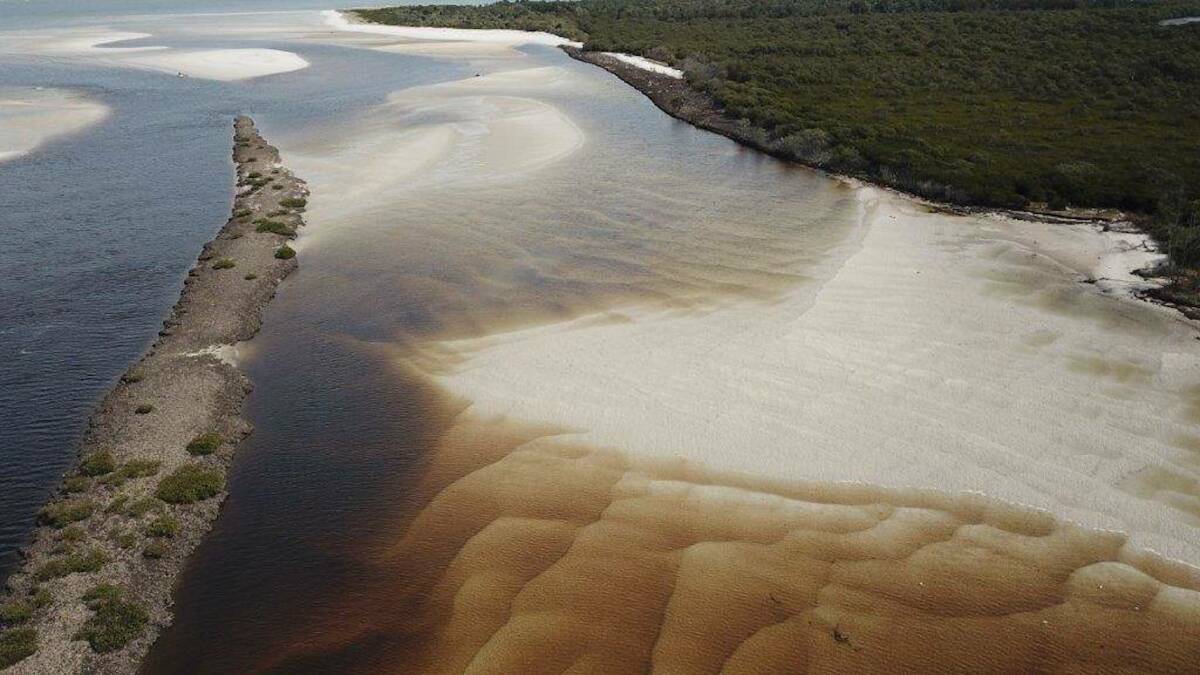
For more than a century, visitors to the Myall Lakes have enjoyed the region's diverse and abundant marine life.
But locals agree the estuary's health is not what it used to be. Many believe it has been in decline since the late 2000s.
While commercial fishing and land clearing have taken their toll, the overwhelming threat is the build-up of sand.
The river's mouth is unable to effectively flush into Port Stephens and at the current rate of sedimentation the natural entrance is likely to be closed by Christmas.
Elsewhere mangroves are dying due to sand inundation and tidal flats and seagrasses are disappearing.
"There used to be a mud flat across from the Tea Gardens pub which has turned into a sand dune in the past couple of years," Myall River Action Group spokesman Gordon Grainger, who has observed the river for the past 50 years, said.

"I went down to the river with some prawn heads the other day. They would normally be gone in a flash, but nothing. The fish are gone. Not even a soldier crab or lowly toad fish."
The river's natural channel has been dredged twice in the past decade. While the dredging resulted in an improvement in water quality, it didn't take long before sand started building up again at the river mouth.
Experts argue the river's hydro-dynamics are complex, however, it is widely agreed that a key part of the problem is sand sweeping back into the river from Jimmys Beach.
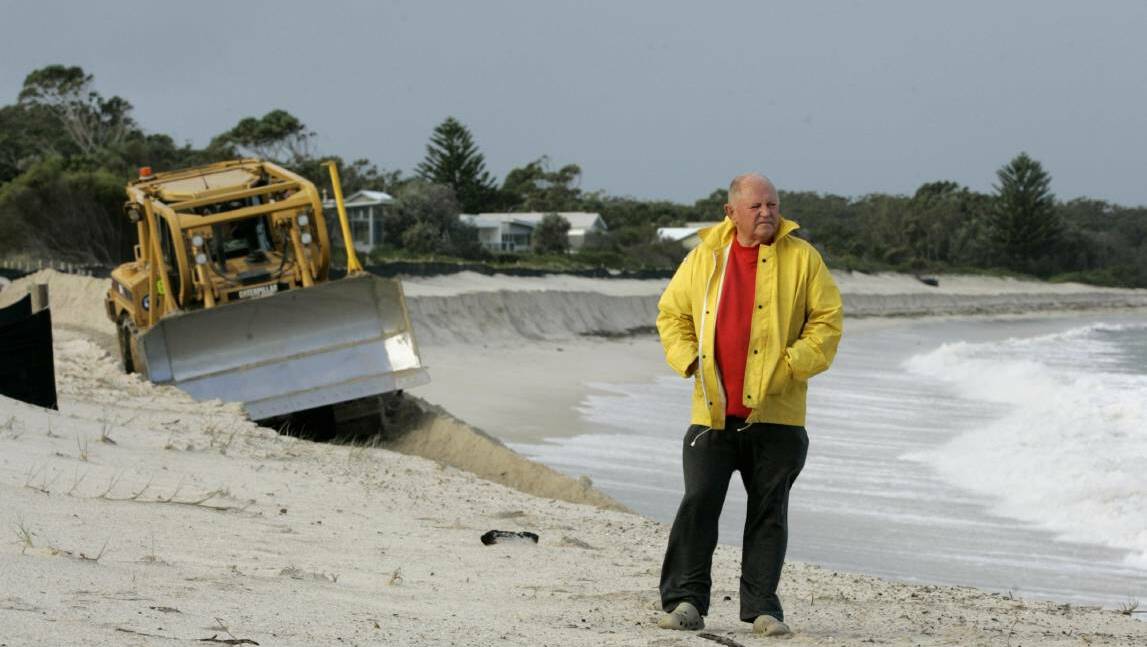
Ironically, the sand used to replenish the erosion hotspot, via a sand transfer system, is sourced from a stockpile of sand dredged from the river.
An historic sand spit known as Myall Point used to run out into Port Stephens and protect the river' entrance. The spit was swept away in 1929 but there is recent evidence that it is rebuilding.
Until that occurs the Myall River Action Group is calling for an ongoing maintenance program, similar to the one that is in place for Swansea Channel.
"Regular dredging could provide the assistance nature needs to rebuild the point," Mr Grainger said.