Encounters at the End of the World by Werner Herzog is not a typical nature documentary. It does not only explore Antarctica as the frozen wilderness but also as a reflection of the weirdness of life itself. A single but chilling scene of a solitary penguin has remained in the minds of the audience over the years and has changed the way individuals feel and philosophically judge these romanticised birds.
The Clip: A Penguin Walking into the Unknown
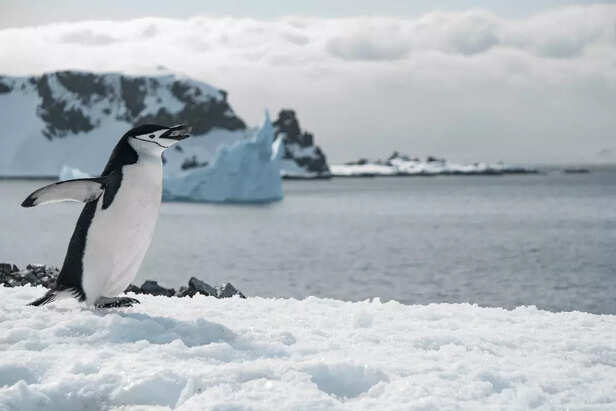
In this clip Herzog's camera follows a penguin that suddenly breaks away from their colony. Instead of heading towards the sea where food and survival await, they walk a different path walking steadily towards the icy mountains. The scientists interviewed explain that this behaviour is rare but not unheard of. Once penguin starts this journey, they will continue walking until exhaustion or death. The voiceover of Herzog does not dramatise the moment rather it allows the silence and the white vastness to speak. This scene is unsettling because it feels intentional. The penguin does not stumble or appear confused. It walks with purpose as if drawn by something invisible transforming a simple biological anomaly into a deeply existential image.
Life in a Penguin Colony: Order, Instinct and Survival
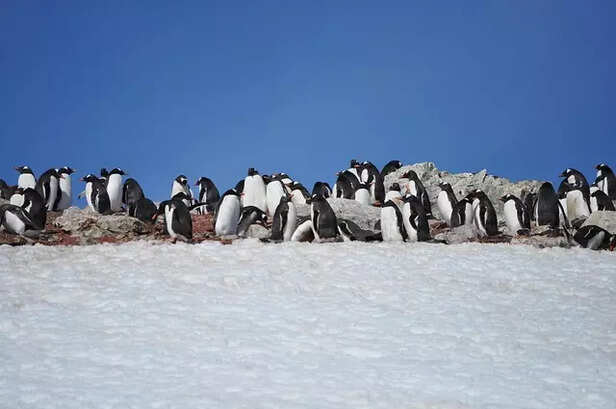
Penguins are said to have a highly organised colonial life. Living in large herds can assist them to survive extreme cold, avoid predation and rear up their young effectively. All the movements such as huddling to stay warm, diving to get food, going back to feed chicks are motivated by an instinct and group rhythm. The colony represents safety and continuity. Individual penguins are rarely framed as solitary beings instead they are seen as parts of synchronised system. This is why the act of leaving the colony feels so jarring. It goes against everything humans associate with penguin survival that is cooperation, repetition and belonging.
The Penguin That Broke the Pattern
The lone penguin disrupts this familiar narrative. By walking away from the colony, it appears to reject instinct, safety and community. Viewers cannot help but project human emotions onto the act like rebellion, madness, curiosity or a search for meaning. Herzog himself leans into this ambiguity suggesting that not everything in nature is simply explained by science. Penguin becomes more than an animal as it becomes a symbol of deviation of an individual breaking away from collective path. This moment challenges the idea that animals are purely instinct driven machines.
How This Scene Changed the Way We See Penguins
Before this documentary, penguins were largely seen as cute, comic and predictable creatures. This scene introduced a darker, more complex dimension. It encouraged audiences to see penguins as beings capable of mystery rather than just biology. The clip has since circulated widely referenced in discussions about existentialism in nature. It shifted penguins from being symbols of adorable uniformity to symbols of unsettling individuality.
Through one walk into the Antarctic void, Herzog transformed a penguin into a philosophical question. The scene reminds us that nature does not always conform to comforting narratives and that even within the most orderly colonies, there are moments of profound and disturbing solitude.
Celebrate the bond with your pets, explore Health & Nutrition, discover Breeds, master Training Tips, Behavior Decoder, and set out on exciting Travel Tails with Times Pets!