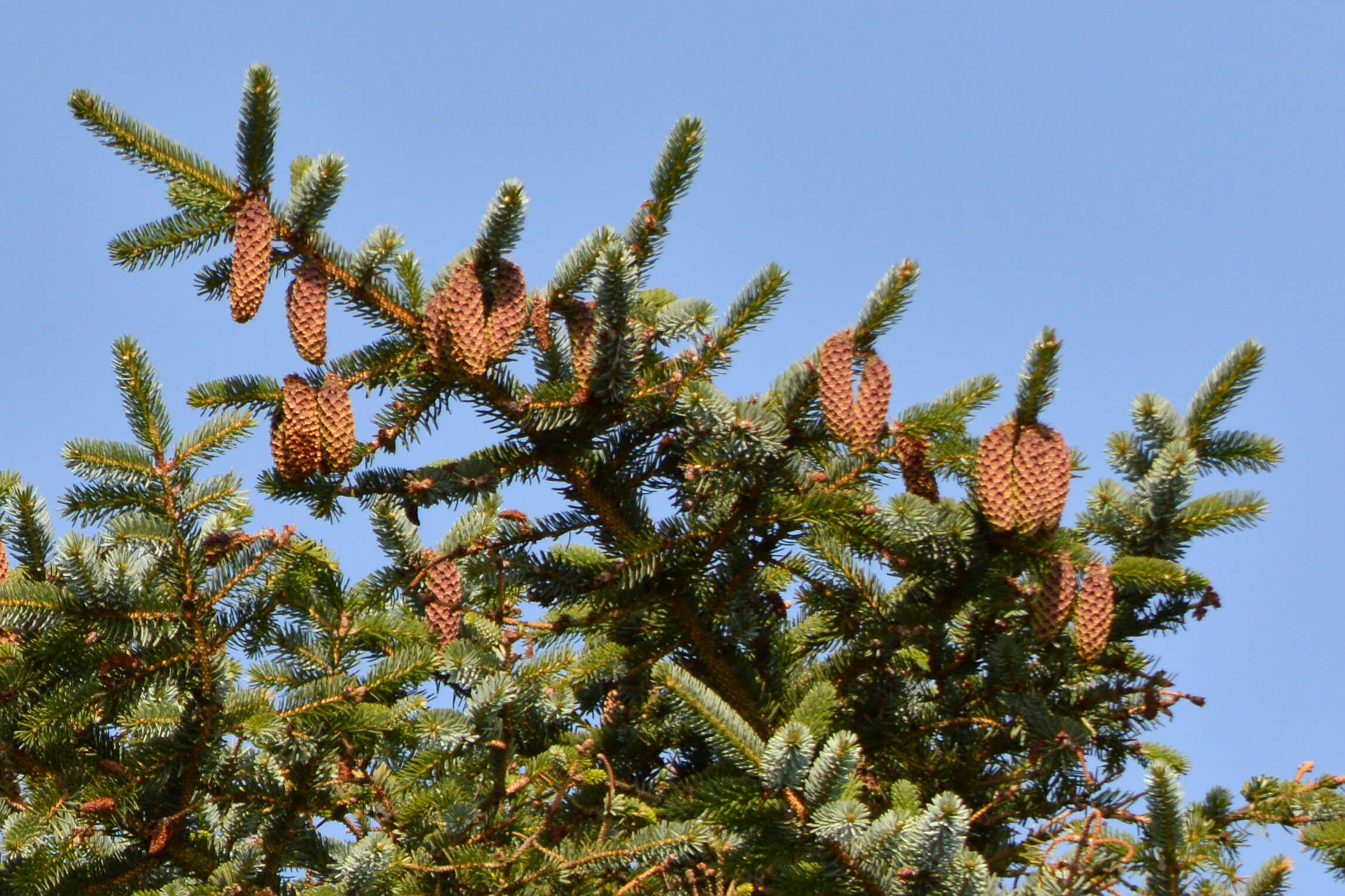
Imagine walking along a rugged coastline where purple heather, moss, and shrubs cover the ground. These open landscapes are more than scenic hiking areas. They are living pieces of history, carefully maintained by traditional farming, controlled burning, and livestock grazing for thousands of years. Today, coastal landscapes in Western Norway are changing. Vast networks of historic open fields are slowly disappearing under a thick canopy of dark evergreen needles, prompting restoration efforts along the coast.
Get breaking news anytime, anywhere. Download the TOI app now!
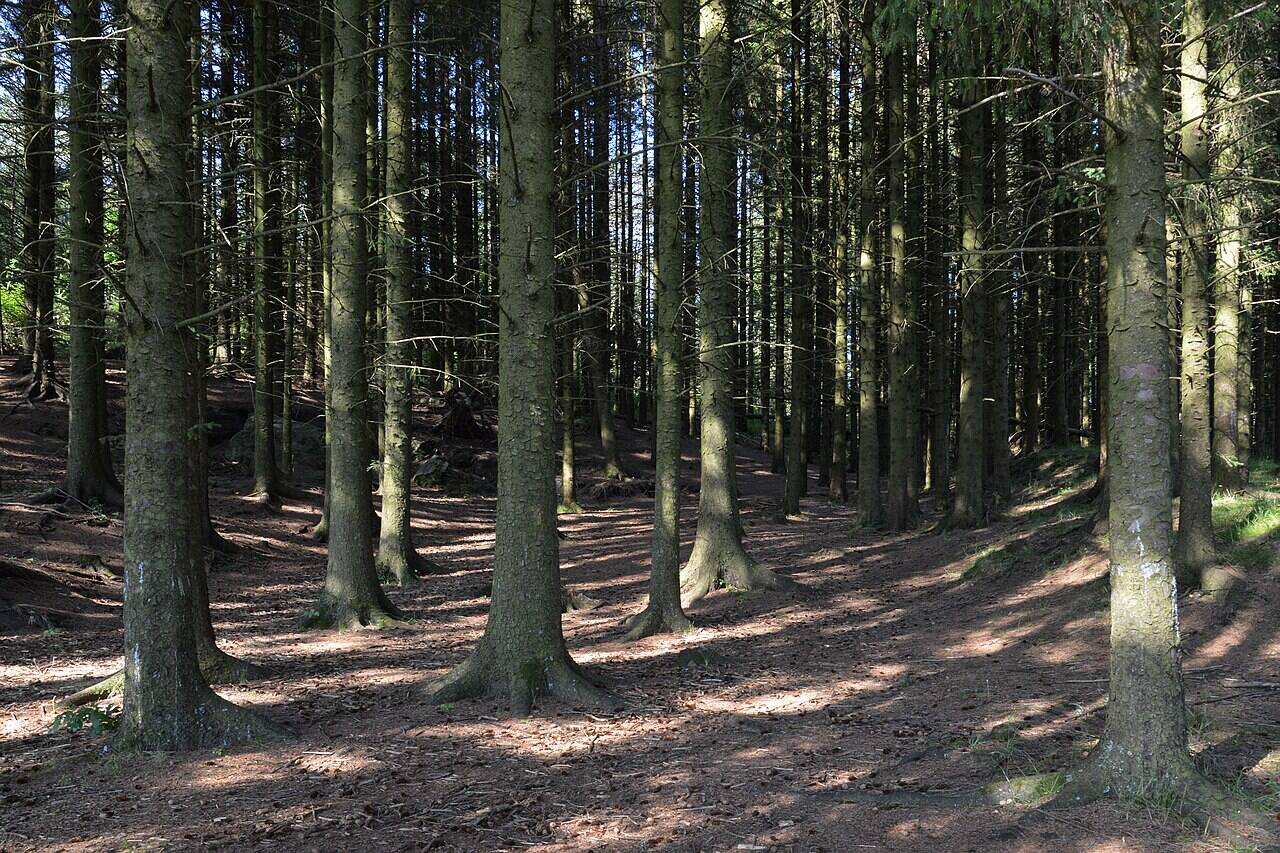
The roots of this modern environmental dilemma trace back to the middle of the last century. In an effort to kickstart timber production and shield the exposed, windy coastlines from harsh Atlantic gales, forestry officials introduced a fast-growing outsider. Millions of North American Sitka spruce trees were planted across the region after the 1950s. At the time, it was seen as an economic benefit for coastal communities. The non-native conifers thrived in the damp climate and grew faster than many local species. However, decades later, the unintended consequences of this massive planting campaign are coming to light, as the trees spread beyond their original boundaries and shade out native flora.
To understand exactly how this foreign introduction is reshaping the landscape, a study was published in the Nordic Journal of Botany. Led by researchers Heidi Iren Saure, Ole Reidar Vetaas, Kristian Hassel, and Vigdis Vandvik, the study took a deep look into what happens when you try to roll back the clock on these dense timber fields. The scientists focused their attention on a nature reserve spanning two neighbouring islands in Western Norway. Here, they tracked the land for nearly a decade after the spruce plantations were cut down to help the heathlands recover.
The paper reports that the islands were clear-felled in 2010 and then followed for eight years, with one site left partly covered by spruce chips that blanketed about half the area in the first year. It found that passive recovery was slow: Sitka spruce regenerated rapidly from seed, so the authors conclude that clear-felling and sheep grazing alone are not enough to restore the heathlands.
A tale of two islands and the messy path to recovery
Undoing decades of forestry intervention is rarely as simple as cutting down trees and walking away. The team of scientists discovered that nature does not always follow a predictable path, even on islands sitting right next to each other. On one of the islands, the open, heather-dominated plant community recovered gradually. On the neighbouring island, the vegetation followed a different path because of differences in soil, historical land use, and seeds in the soil. This suggests that ecological restoration can vary by site.
One of the biggest hurdles facing land managers is dealing with the leftover debris after a major logging operation. Clearing away logs from remote islands is expensive and logistically difficult. To save money and resources, managers often leave the leftover wood chips and branches right on the ground after the trees are felled. The research found that these wood chips initially choked out small plants and lowered species diversity, but the effects faded within eight years. Over time, the native plants managed to break through the decaying wood.
The constant battle for the coast
Even when the heavy canopy is cleared, and sunlight finally returns to the soil, the ghost of the plantation remains. The study highlighted a persistent challenge: seeds left in the soil can quickly resprout. The researchers pointed out that simply cutting down the mature Sitka spruce and letting free-range sheep graze the area was not enough to stop the invasion. The trees left behind a massive bank of seeds that sprouted rapidly in the newly cleared spaces, meaning land managers must constantly pull up new saplings to stop the forest from rebuilding itself.
Preserving these spaces is about more than protecting a scenic landscape for coastal visitors. Open coastal heathlands are a vital part of European cultural heritage and house a delicate ecosystem of specialised plants and mosses that cannot survive in the dark, acidic shade of a spruce forest. The study suggests that restoring the ecosystem will require time, patience, and active management.