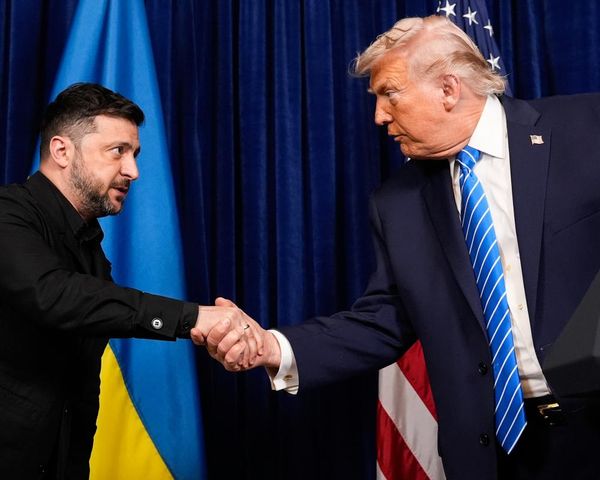
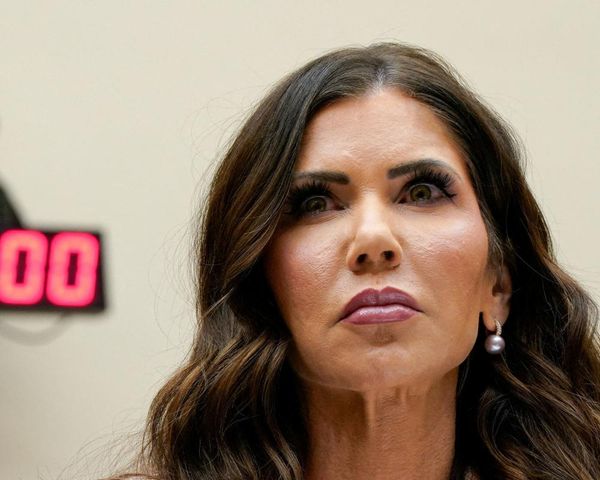
Power-sharing is poised to end in Northern Ireland, as the executive collapses after over a decade of joint rule by nationalist and unionist politicians.
In a motion to go to the floor of the devolved parliament at midday, Sinn Fein are expected to formally refuse to continue to share power.
From 5pm today, Secretary of State for Northern Ireland James Brokenshire will have the authority to trigger new elections, in the hope that new politicians will be returned to the parliament and power-sharing can then resume.
If Stormont is collapsed, Theresa May might be unable to trigger Article 50 and commence the UK's withdrawal from the EU as Northern Irish politicians will not be sitting in parliament and therefore will be unable to approve Brexit plans. Brexit could therefore be further delayed by several months.
The Supreme Court is currently considering whether Northern Irish politicians are entitled to vote on whether Ms May can trigger Article 50, the formal mechanism by which a country can leave the EU. A decision is expected in the coming days.
Power-sharing was plunged into crisis on Monday of last week when Sinn Fein's Martin McGuinness resigned as Deputy First Minister. He said he was resigning in protest at his counterpart, First Minister Arlene Foster's handling of a government scheme. Ms Foster, who is from the Democratic Unionist Party, is accused of running a botched government scheme which has cost the tax payer £490 million due to mishandling. She denies any wrong doing and refused to stand aside. Mr McGuinness then resigned, subsequently ousting her from her position too as under power-sharing rules, both politicians must govern jointly.
Please wait a moment for the live blog to load:
Power-sharing has been suspended on a number of occasions in Northern Ireland since the Good Friday Agreement was signed in 1998. However, the institutions have not been collapsed since the St Andrew's Agreement was signed in 2006.
If a new government formed after the coming election is not willing to power-share, Northern Ireland may have to be run directly from London. However, the move would be seen as a considerable step back in the peace process, parties have spoken of their desire to avoid such a decision.