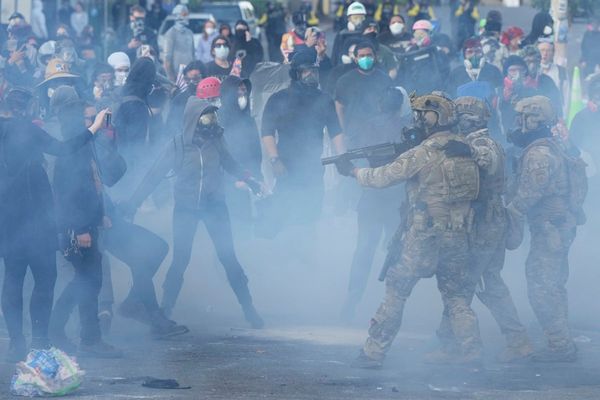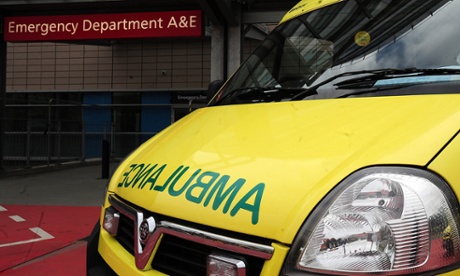
A health service union in Northern Ireland has described the declaration of a “major incident” by the region’s ambulance service as a provocative move to prevent its members joining a one-day general strike.
The Northern Ireland Ambulance Service said it was forced to declare the emergency situation in the interests of public safety. The declaration means that paramedics have been unable to take part in Friday’s general strike across the public sector in protest at austerity cuts to welfare and state jobs.
There are no rail or bus services operating within Northern Ireland until midnight. However, only one teaching union – the Irish National Teachers Organisation – has supported the 24-hour stoppage, meaning the majority of schools shut are in the Catholic sector.
Public sector unions have taken the industrial action in response to proposed cuts to welfare and the axing of jobs in the civil service. The cuts are part of the Stormont House agreement, hatched just before Christmas between the five ruling parties in the power-sharing devolved government.
The unions believe cutting 20,000 public sector jobs will harm the local economy. Trade union rallies are scheduled for Belfast, Derry, Newry, Strabane, Omagh, Enniskillen, Coleraine, Magherafelt, Cookstown, Dungannon and Craigavon.
On the row over the ambulance service’s move to declare a major incident, Unison’s Patricia McKeown said non emergency ambulance staff were threatened with disciplinary action at the Mater hospital in north Belfast if they went on strike. McKeown said the ambulance service move was “likely to provoke further action”.
She said that there was no indication that any emergency situation existed. “This is strike-breaking and intimidation,” McKeown added.
Although the Stormont House agreement was initially supported by the five parties, the two nationalist blocs, Sinn Féin and the SDLP, have now come out against the deal. Their opposition, particularly that of Sinn Féin, has led to their unionist partners claiming the entire devolution project is now at risk.
The Northern Ireland Committee of the Irish Congress of Trade Unions has described Friday’s strike as “the largest single day of industrial action in several years”.
In the absence of bus and trains throughout Friday, the Police Service of Northern Ireland announced that commuters driving to and from work were allowed to use bus lanes for the day.
Meanwhile a former health minister in the devolved government at Stormont said the strike would do nothing to force the UK Treasury to change its policy of welfare changes in Northern Ireland.
Democratic Unionist party ex-minister Edwin Poots said: “This will not drive things home at Westminster that there is a problem in Northern Ireland. All it will do is cause pain and hardship to the most vulnerable.”