North Korea’s latest missile launches have drawn attention not for what Pyongyang has said, but rather for what it hasn’t.
Pyongyang conducted two missile tests, likely in the Wonsan area, within a week in August, according to South Korean and Japanese militaries. What was most notable about the tests was that they were not acknowledged by the country’s state media.
The silence is striking. Pyongyang is generally quick to publicise weapons tests it considers successful or strategically significant, often releasing pictures, technical details and images of leader Kim Jong Un overseeing the launches. Such coverage allows North Korea to demonstrate its military capabilities to foreign adversaries while projecting technological progress and strength at home.
The lack of acknowledgement is also notable against the backdrop of Kim’s deepening military support for Russia, including the deployment of soldiers and the supply of missiles and artillery systems for the war in Ukraine.
One reason for North Korea’s silence, experts say, may be that it’s using battlefield experience from the Ukraine war to refine or modify its missiles, though there’s no clear evidence yet linking the recent tests to weapons intended for Russia. If that’s the case, the development spells consequences far beyond the usual concerned parties in East Asia. It should put Europe on notice.
The latest test came on Wednesday when a missile from North Korea’s southeastern city of Wonsan flew about 700km eastward and fell into the Sea of Japan, according to South Korea’s Joint Chiefs of Staff.
The timing of the launch was interesting as it came ahead of the US-South Korea military drills from 17 to 27 August.
The annual Ulchi Freedom Shield drills will involve 18,000 South Korean troops alongside US forces.
It followed another test six days earlier of a short-range ballistic missile fired towards the Sea of Japan, also likely from Wonsan, a port city and naval base located in the province of Kangwon.
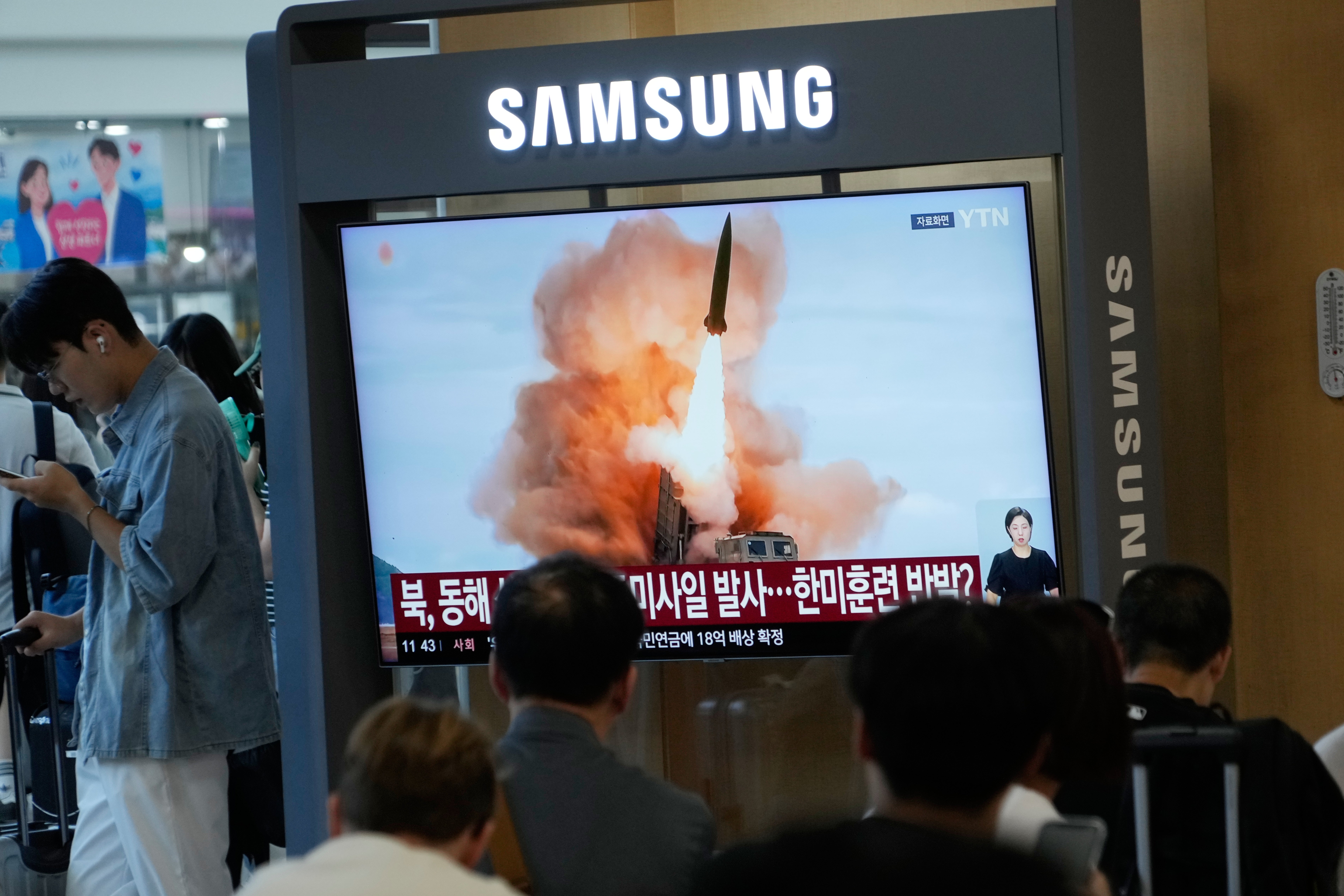
North Korean media typically confirm significant weapons tests within a day. The absence of coverage around the latest tests raises questions over whether they were primarily political demonstrations, or whether they served a more operational purpose.
“The silence is noteworthy,” Jagannath Panda, the head of the Stockholm Centre for South Asian and Indo-Pacific Affairs at Sweden’s Institute for Security and Development Policy, tells The Independent, “because North Korea frequently uses successful missile tests as instruments of domestic legitimacy, technological signalling and external deterrence.”
“One possibility is that Pyongyang was conducting developmental or technical validation tests where publicity was unnecessary until the programme achieved a specific milestone.”
The silence has also fuelled speculation that the tests either failed or did not perform as intended. “I would however caution against interpreting silence automatically as failure,” Panda says, noting that North Korea does not publicise all its weapons activity.
“What makes the present case interesting is a combination of repeated launches from Wonsan, relatively close timing, and the absence of the usual photographs, technical claims or leadership inspection narrative.”
Panda says the possibility that the tests are linked to missile transfers to Russia is now “considerably more credible”, although there’s insufficient public evidence to establish a direct connection.
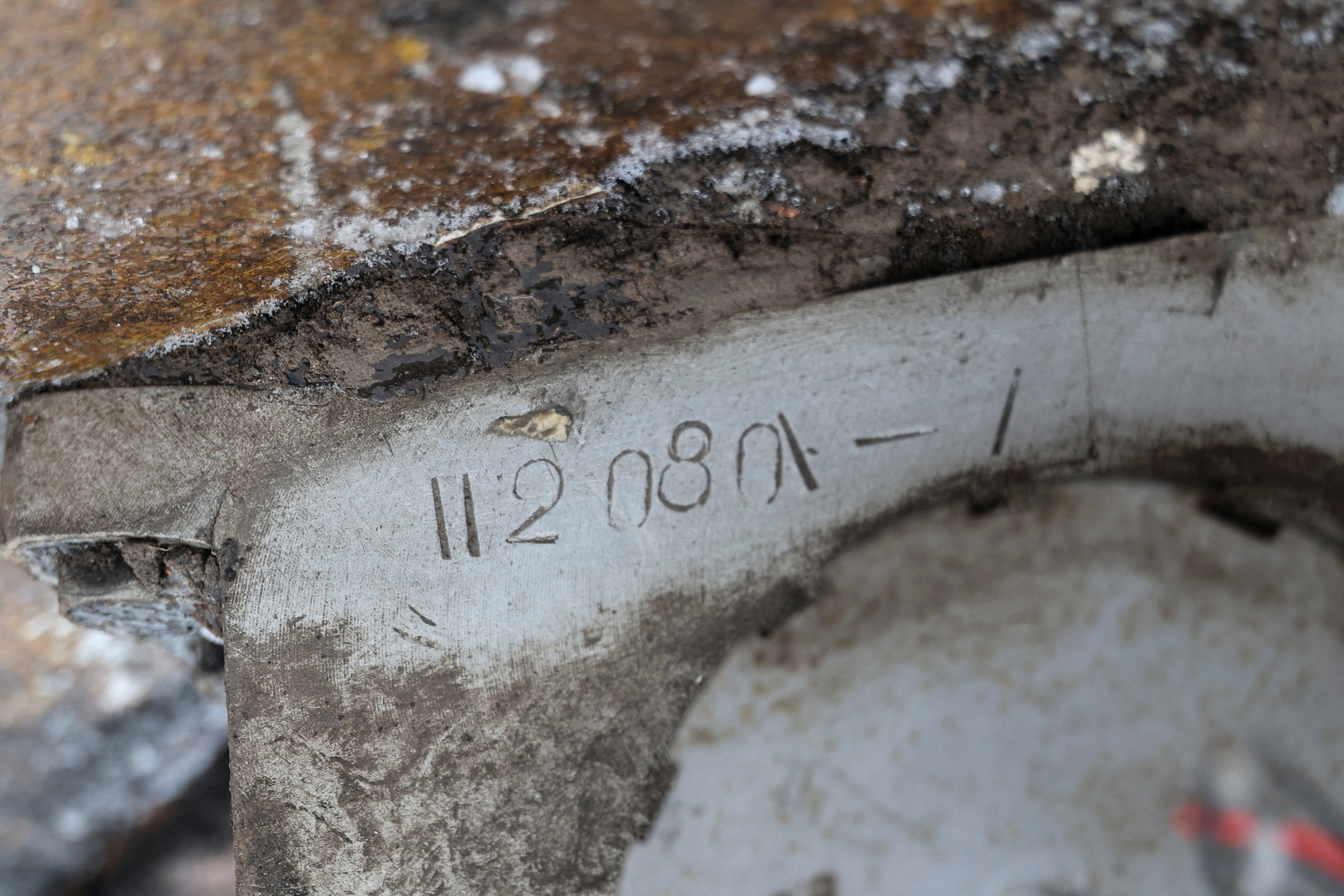
Russia has already deployed North Korean missiles in its war against Ukraine. According to Ukrainian leader Volodymyr Zelensky, missiles supplied by Pyongyang were used in attacks on Zaporizhzhia and Dnipropetrovsk this month that killed six people, including a 15-year-old boy.
Zelensky has repeatedly sounded the alarm over the deepening partnership between Russia and North Korea, while appealing for military support from the West and now from Asia, particularly South Korea, as well.
Ukraine’s military intelligence agency said earlier this month that a North Korean missile unit had begun deploying to western Russia and could be equipped with up to 120 ballistic missiles and six launchers.
Andrii Cherniak of the Main Directorate of Intelligence said Pyongyang had also sent a new batch of 40 KN-23 and KN-24 missiles to Russia.
The KN-23, also known as the Hwasong-11A, is a solid-fuel short-range ballistic missile with a range of 700-800km. Its resemblance to Russia’s Iskander-M has fuelled debate over whether it was developed with foreign assistance.
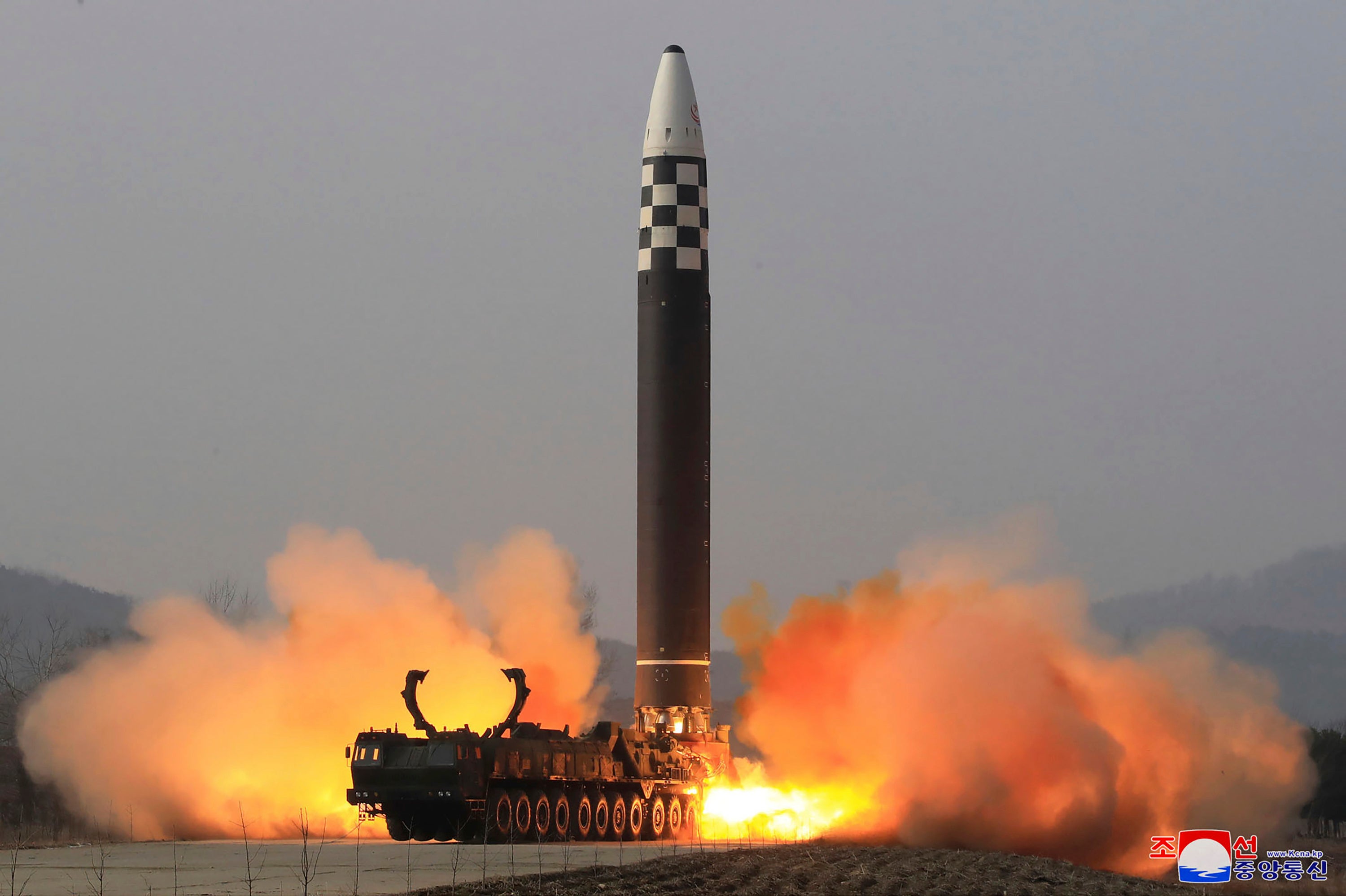
All this makes North Korean missile development a concern well beyond the Korean peninsula. Pyongyang has an opportunity in Ukraine to gather real-world battlefield data on how its weapons perform against targets and air defences, potentially allowing it to improve them for further use by Russia against Europe.
“This creates an important feedback loop: North Korea can obtain information about accuracy, guidance, reliability, interception, warhead effects, and operational performance under actual battlefield conditions,” Panda says. “Pyongyang could subsequently modify its missiles based on those lessons.”
The latest test launches may have involved the KN-23 system, potentially a modified or upgraded variant or one carrying a specific payload. “The fact that North Korea carried out repeated single launches from the same location at six-day intervals lends weight to the possibility that they were test launches of an upgraded version,” Hong Min, a senior research fellow at the Korea Institute for National Unification, told South Korea’s JoongAng newspaper.
Panda says an upgraded KN-23 variant may display a higher or unusually depressed trajectory, longer range with a comparable payload, greater terminal manoeuvrability, improved accuracy or changes in its velocity during the terminal phase.
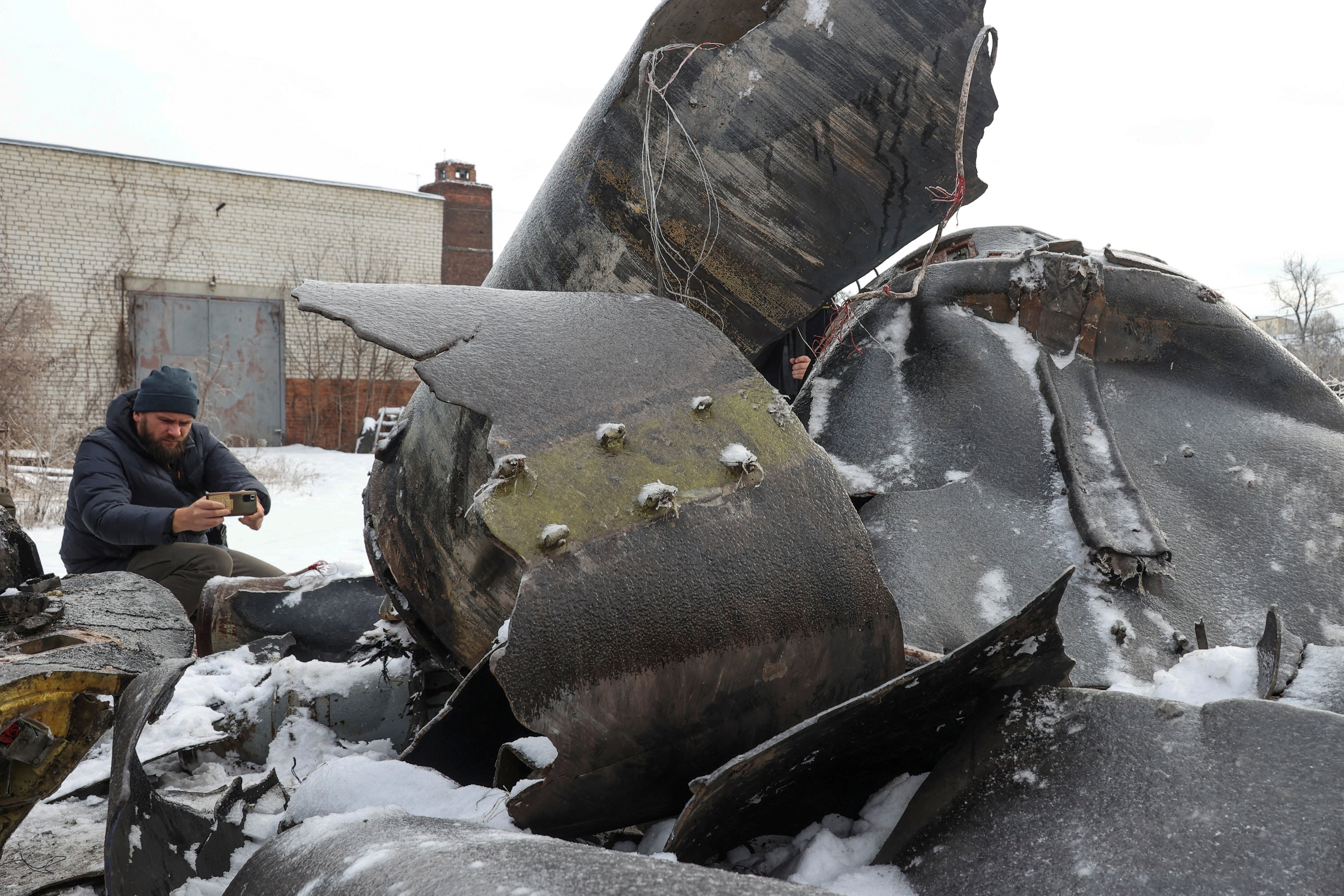
If North Korea is making ballistic missiles in larger numbers, whether for its own military or potentially for external supply, it needs to verify they meet required standards for propulsion, guidance, structural integrity, and accuracy.
Tests of these kinds carry less propaganda value than the unveiling of a new weapon, Panda says. “Quality-control or production acceptance testing is one plausible explanation for the unusual lack of publicity,” he adds.
Kim ordered a 2.5-fold increase in the production of ballistic and cruise missiles during a visit to a manufacturing facility in early June. State media have since promoted the Hwasal-2 cruise missile and the submarine-launched Pulhwasal-3-31 as new systems, underscoring the pace of North Korea’s weapons development.
But the clearest indication may come from what Pyongyang does next. “Development tests often attempt to expand performance boundaries,” Panda points out, “whereas acceptance tests would typically seek to reproduce an established performance envelope reliably.”
A pattern across future test-launches, particularly repeated tests showing consistent performance or changes in flight, may help determine whether it’s validating an existing system, refining an upgraded variant, or testing missiles for international transfers.