The United States has begun moving elements of an anti-missile defence system into South Korea in response to heightened concerns over developing nuclear weapons capabilities in North Korea.
The movement of the Terminal High Altitude Area (THAAD) defence system parts sparked criticism from several actors in the region including China and the leading presidential contender in South Korea. The systems, which are being set up on a golf course roughly 250 km south of Seoul, are expected to be operational by the end of the year, according to the South Korean defence ministry.
“South Korea and the United States have been working to secure an early operational capability of the THAAD system in response to North Korea's advancing nuclear and missile threat,” South Korea’s defence ministry said in a statement.
But China has expressed concern over the increased US military presence in the country, saying that installing the THAAD anti-missile system’s advanced radar could undermine its security and do little to deter Kim Jong-un's North Korea from conducting further tests. The United States and South Korea say that the defences are only aimed against North Korea.
“China strongly urges the United States and South Korea to stop actions that worsen regional tensions and harm China's strategic security interests and cancel the deployment of the THAAD system and withdraw the equipment,” Geng Shuang, a Chinese foreign ministry spokesman said.
Installing those defences comes as concerns over North Korea’s nuclear arsenal and missile testing have mounted. The United States and South Korea have been conducting military exercises in the region in response to concerns that North Korea might test their nuclear weapons capabilities for a sixth time.
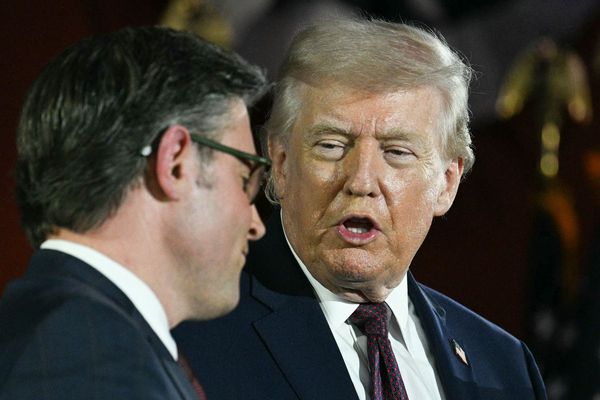
In the United States, President Donald Trump has made the unusual request for the entire 100 member Senate to come to the White House on Wednesday to attend a briefing on the tensions. Those briefings will be led by the country’s top security officials. Mr Trump also told UN Security Council ambassadors this week that “the status quo” with North Korea was not acceptable and that the council needed to be prepared to impose new sanctions on Pyongyang.