Salman Rushdie has called for history of the British Empire to be taught in schools, warning: “If you don’t teach your history, nobody understands what it means.”
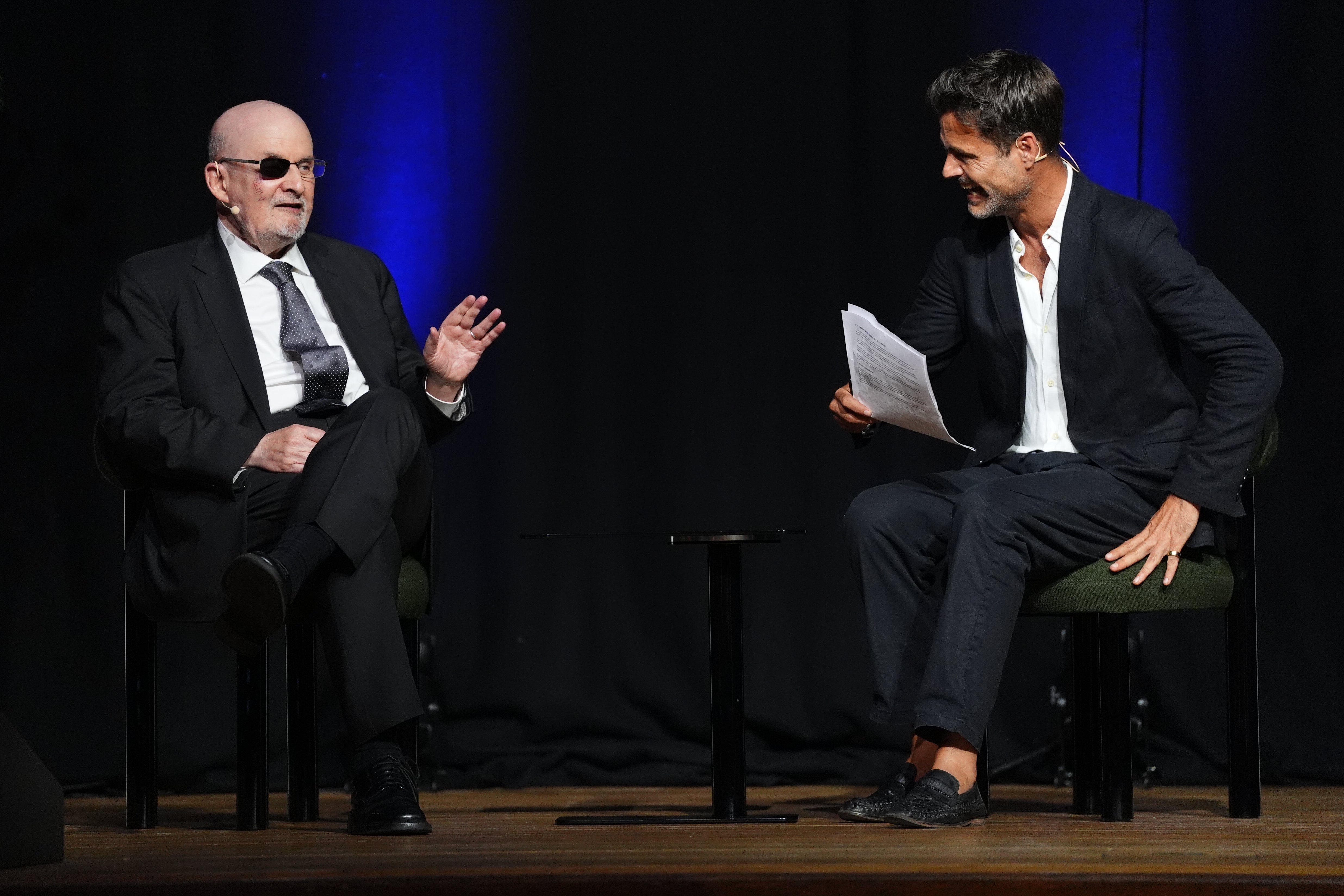
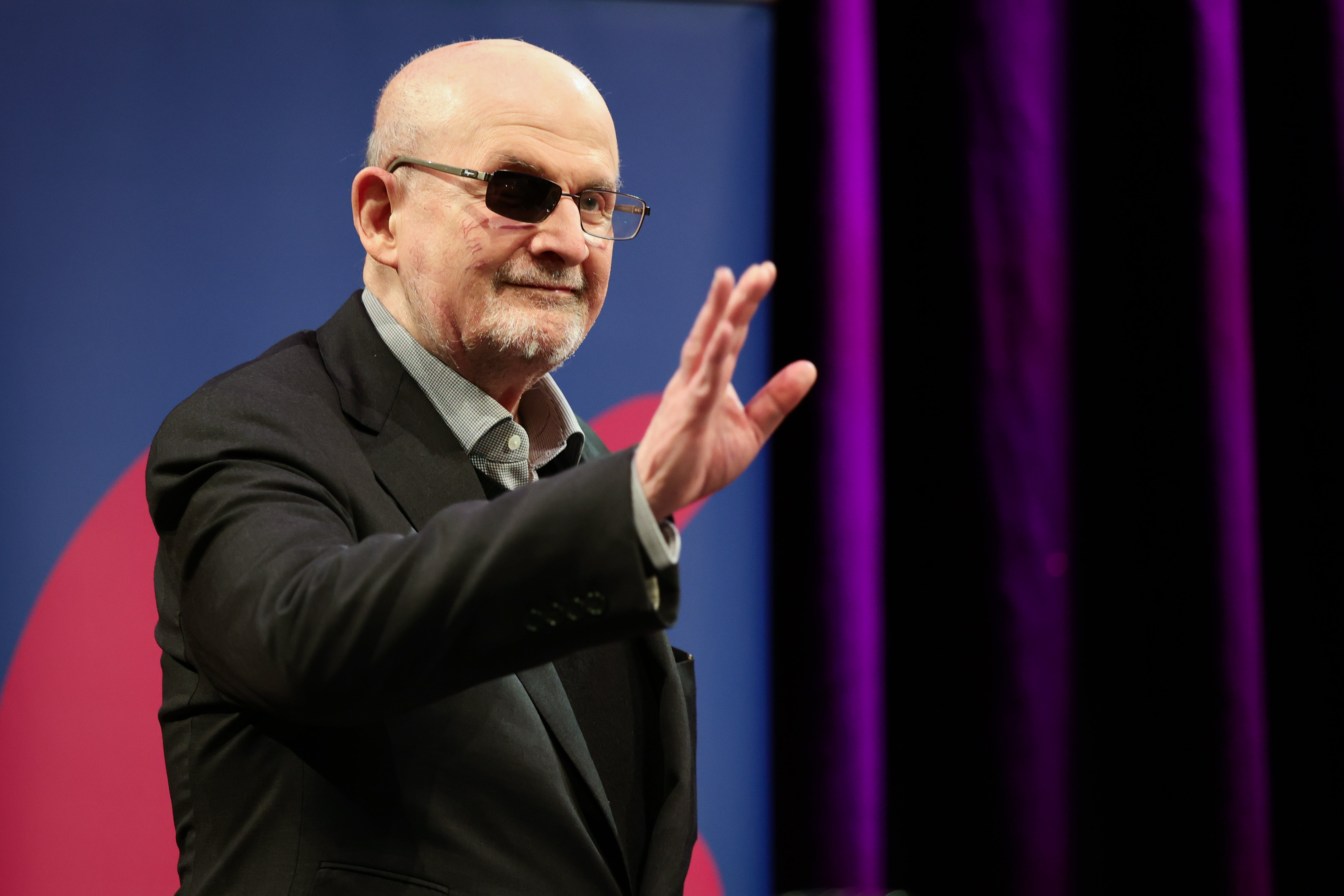
The Indian-born British author, 79, spoke out at the 25th anniversary of cultural diplomacy organisation Liberatum, which honoured him as a literary champion of freedom of expression on Wednesday (8 July).
Rushdie discussed Midnight’s Children – his 1981 Booker-winning magic realist novel about India establishing independence from colonial rule – during a Q&A at the ceremony, and revealed that his two sons were not taught about the British Empire while at “very good schools” in England.
“Nobody teaches it and if you don’t teach your history, nobody understands what it means,” he said.
“‘Why are all these people with brown skin walking around this country?’” he continued. “My friend wrote an essay, where she said ‘we are here, because you were there’. In order to understand that, you have to know that you were there, and what you did.
“When the British arrived in India it was one of the wealthiest countries in the world; it was fantastically affluent. When the British left India, it was one of the poorest countries in the world. What happened to the money? Ask yourselves.”
Rushdie also spoke about the reaction to his 1988 novel The Satanic Verses, describing it as “very painful”. The controversial book, which featured a fictionalised account of the Islamic prophet Muhammed’s life, was perceived as blasphemous by some within the Muslim community.
In response to the book, Iran’s Supreme Leader, Ruhollah Khomeini, issued a fatwa – an Islamic execution order – against Rushdie and his publishers in 1989. In 2022, Rushdie was repeatedly stabbed on stage while preparing to deliver a lecture about his work; the attack resulted in six weeks in hospital, the loss of sight in his right eye and loss of mobility in one hand.
“It got thought of as a novel about religion,” Rushdie said of The Satanic Verses. “It’s not really a novel about a religion at all. It’s a novel about my great city.
“There’s a street which is like a fictionalised version of Brick Lane, and the idea that the people living on that street afterwards marched against the book was just horrifying. And it continues to be, because of course, none of them had read it. Something they have in common with the Ayatollah Khomeini.
“It used to annoy me that people who were judging the book hadn’t read it but if you look at the history of the persecution of books, it’s very often the case the persecutors have not read the book,” he continued.
A number of significant creative voices paid tribute to Rushdie at the Liberatum Cultural Honour event, including The Independent’s editor in chief Geordie Greig.
“He spans generations. He’s also of every generation,” Greig said of the author. “He is the timeless storyteller of our times.”