CHERNOBYL, Ukraine (Reuters) - More than three decades after he flew his helicopter above the radioactive volcano that was Chernobyl's nuclear reactor number four, the site of the world's worst nuclear accident, Mykola Volkozub recalls how he feared for his life.
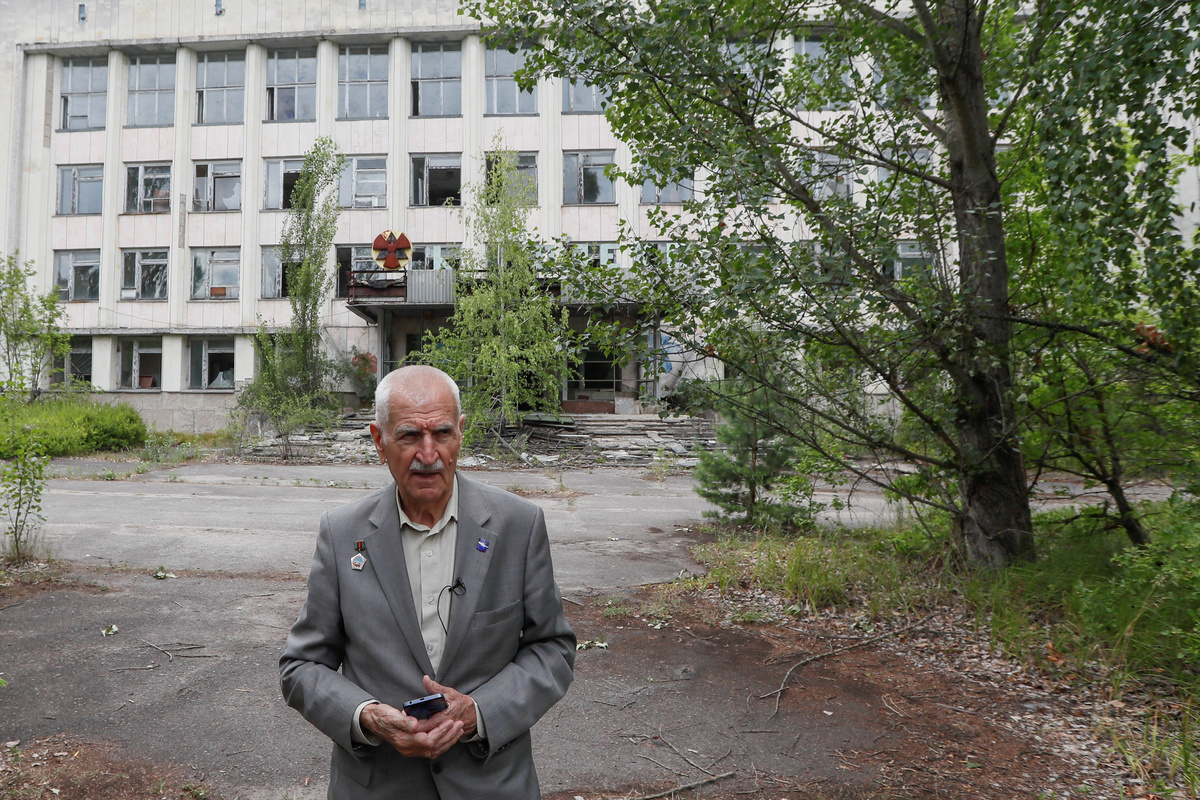
Now 87, the Ukrainian military pilot returned to Chernobyl last month for the first time since the 1986 accident and recalled how he had made three separate flights over the reactor to measure the temperature and composition of gases inside.
"Some people may say they have no fear but nobody is not afraid. The only thing is that people perceive fear differently. One person is frozen by fear, another driven by it. I had to do it (fly over the reactor). I knew it was dangerous."
The accident in then Soviet Ukraine was caused by a botched safety test that sent plumes of nuclear material across much of Europe. It killed dozens of people within weeks and forced tens of thousands to flee. The final death toll of those killed by radiation-related illnesses such as cancer is subject to debate.
Volkozub, who donned a heavy lead vest to protect himself from radiation, was awarded a "Hero of Ukraine" medal for his bravery. After making three flights that lasted for 19 minutes, 40 seconds in total, he was nonetheless exposed to such a high dose of radiation that some dosimeters went haywire when he tried to measure his exposure.
The brand new MI-8 helicopter he made the flights in, which was fitted with special lead plates on the floor, was also exposed to radiation. It was later abandoned at a cemetery for irradiated equipment, having made only three flights.
Volkozub, who despite his age still supervises test pilots who work for Antonov, a Ukrainian state-run aircraft manufacturer, said he was calm and calculating at the time despite his fear.
"I had been preparing," he said. "It was a very in-depth preparation process. I did all the calculations for the helicopter - its weight, etc. Interactions among crew members were also very well planned."
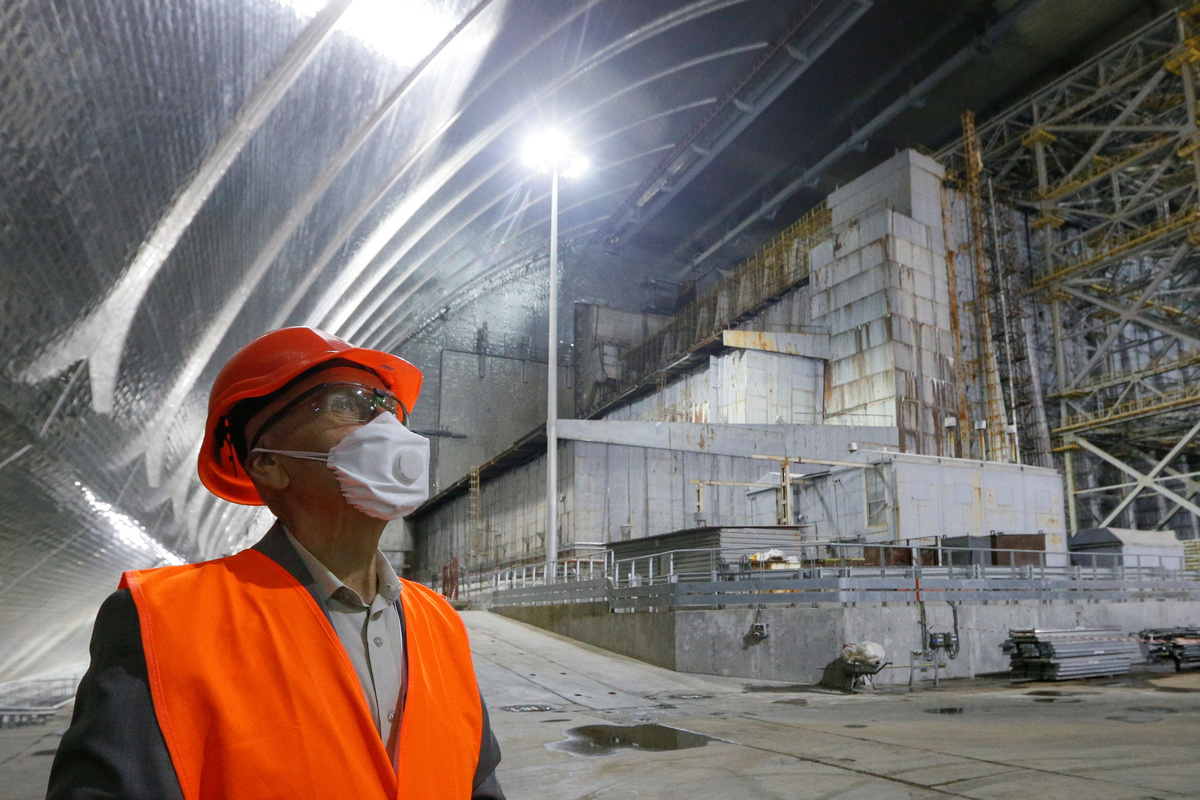
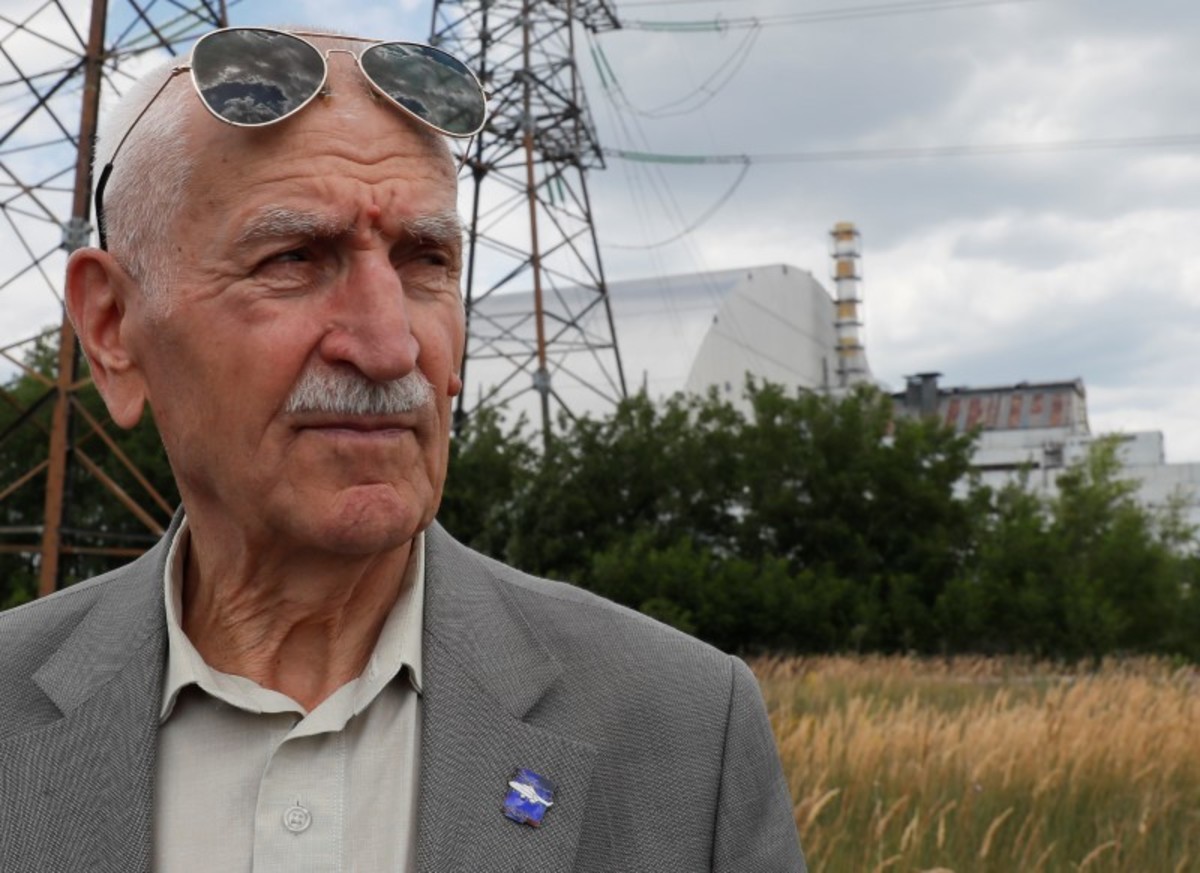
Eyeing up the reactor for the first time in 33 years, Volkozub said he couldn't recognise it.
"It has nothing in common with how it was in the past. It was devastated. It was totally devastated. There was a pipe (jutting into the sky) and some parts (of the reactor) were simply hanging,” he said.
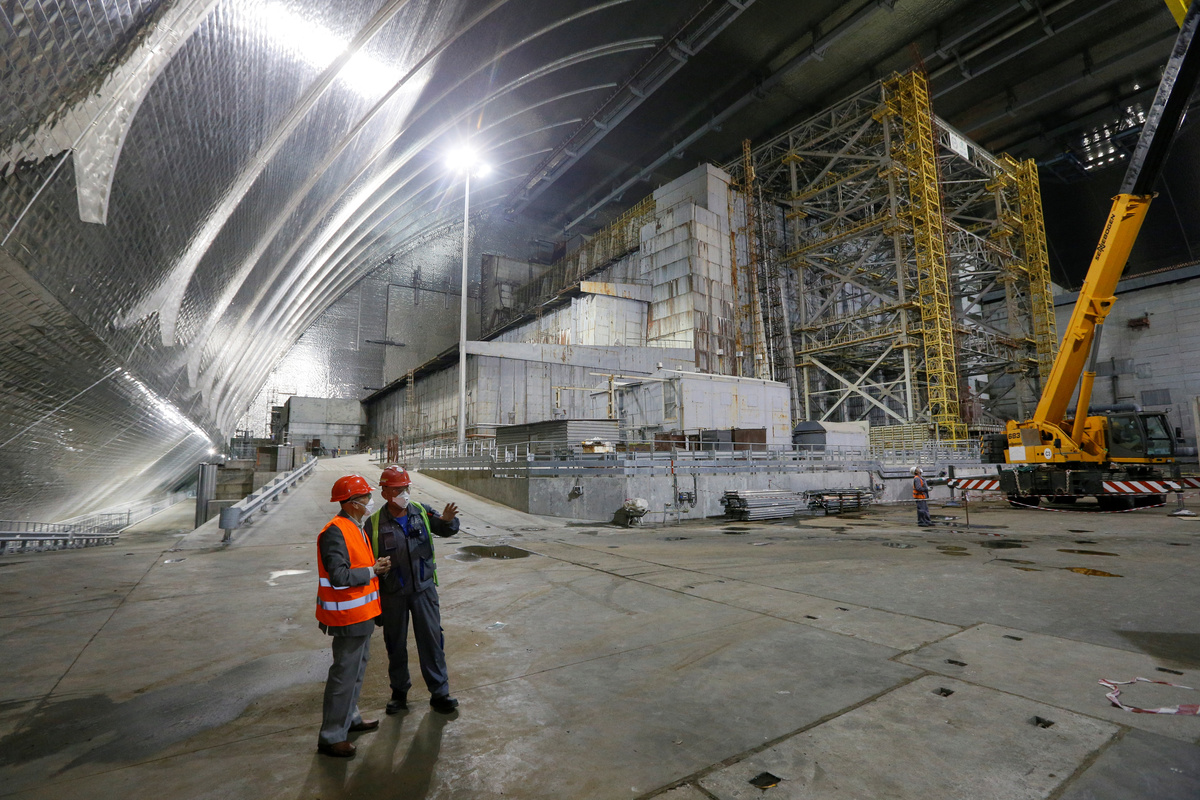
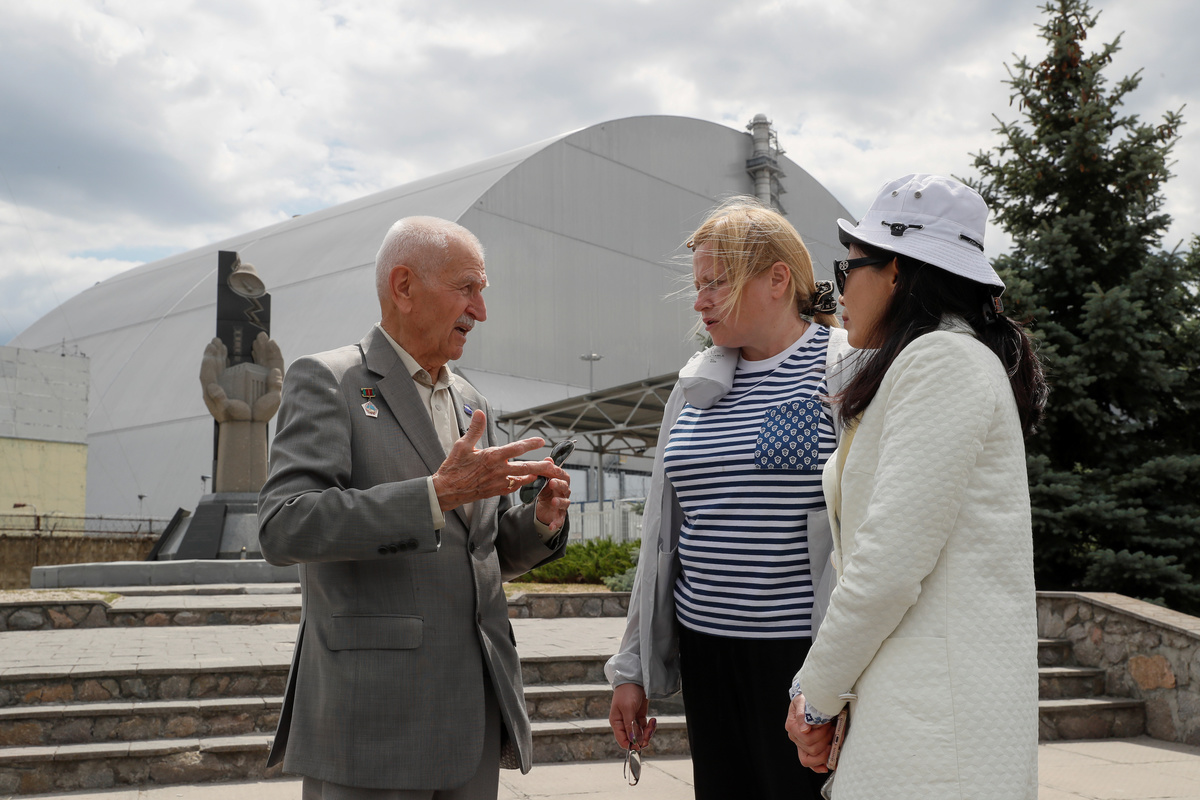
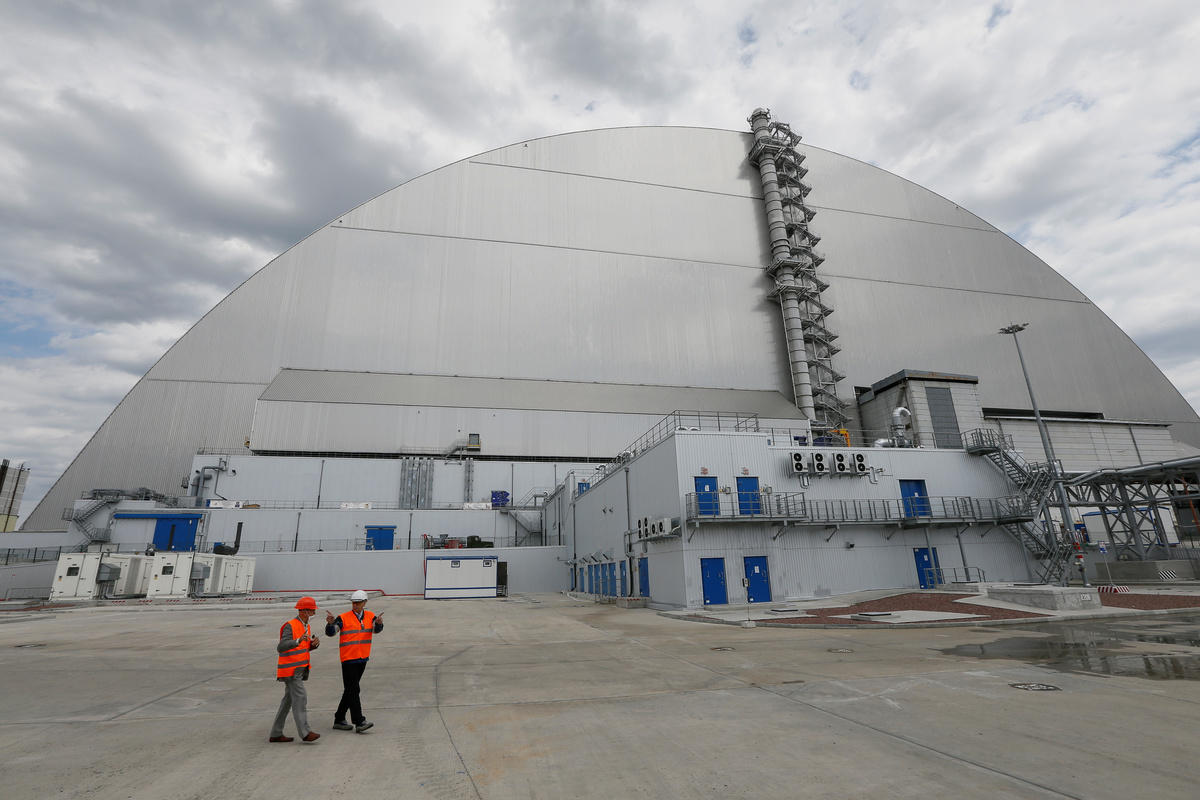
Today the reactor is covered by a massive confinement shelter that was built to cover an ageing sarcophagus designed to stop radiation leaking out.
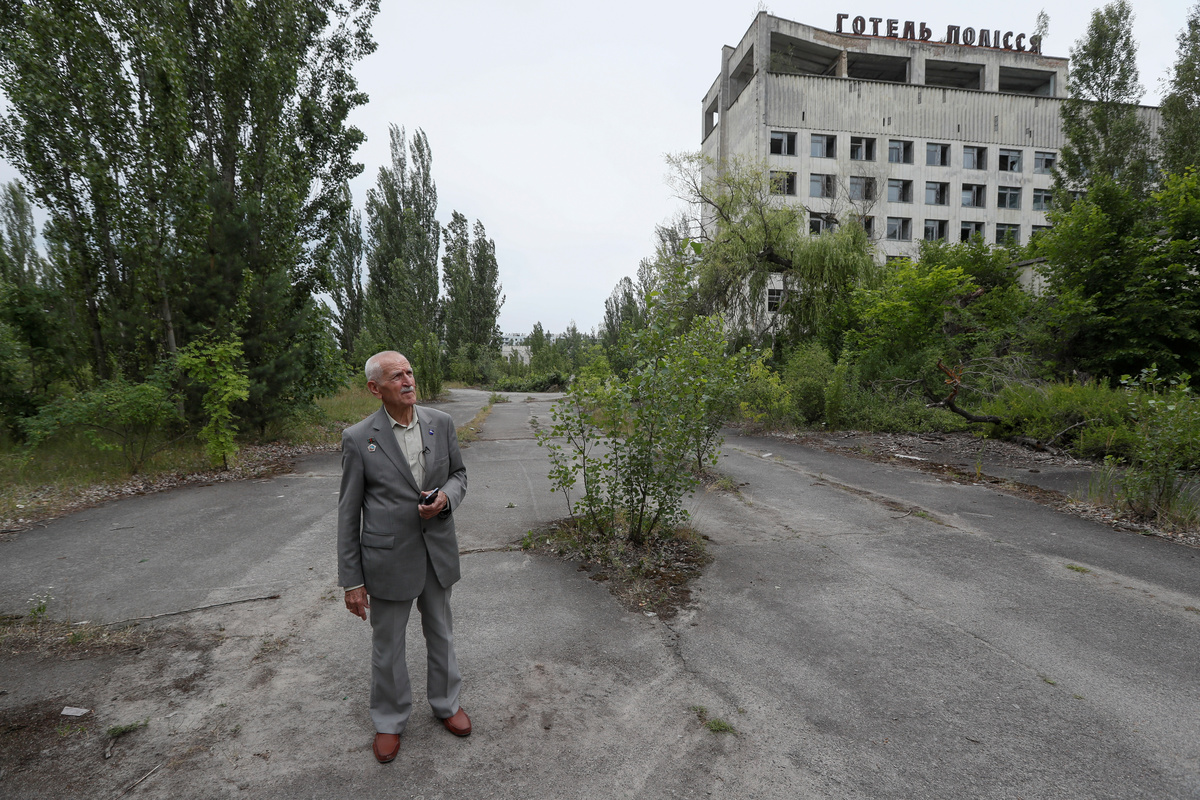
As he strolled through Pripyat, an abandoned town where the nuclear power plant's workers once lived, Volkozub recalled being present at the first session of an emergency commission.
"I heard how they discussed the question 'What shall we do? What shall we do?' (Nuclear scientist) Valeriy Alexeyevich Legasov said measures had to be urgently taken in order to cover the area to prevent the emission of radiation."
Legasov was later featured in this year's HBO mini-series "Chernobyl".
(Writing by Andrew Osborn; Editing by Frances Kerry)