No visitors at Australian zoo, but animals train for when lockdown ends
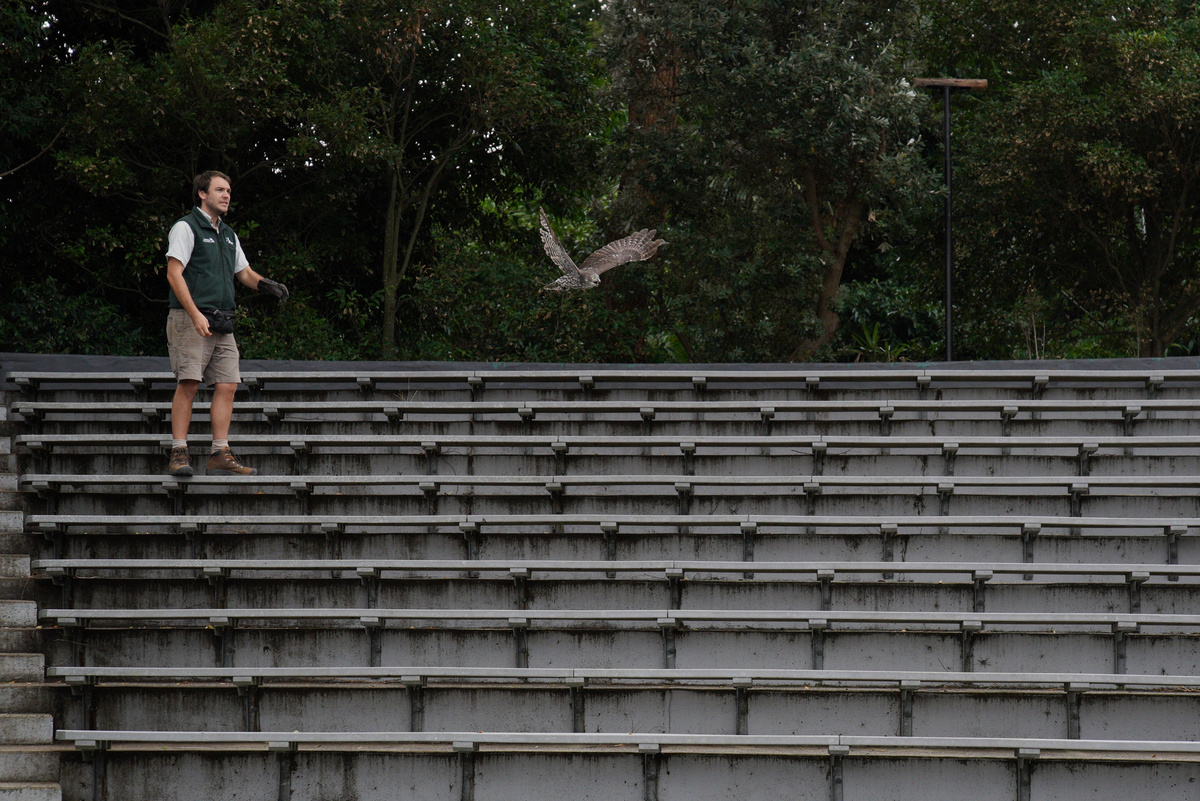
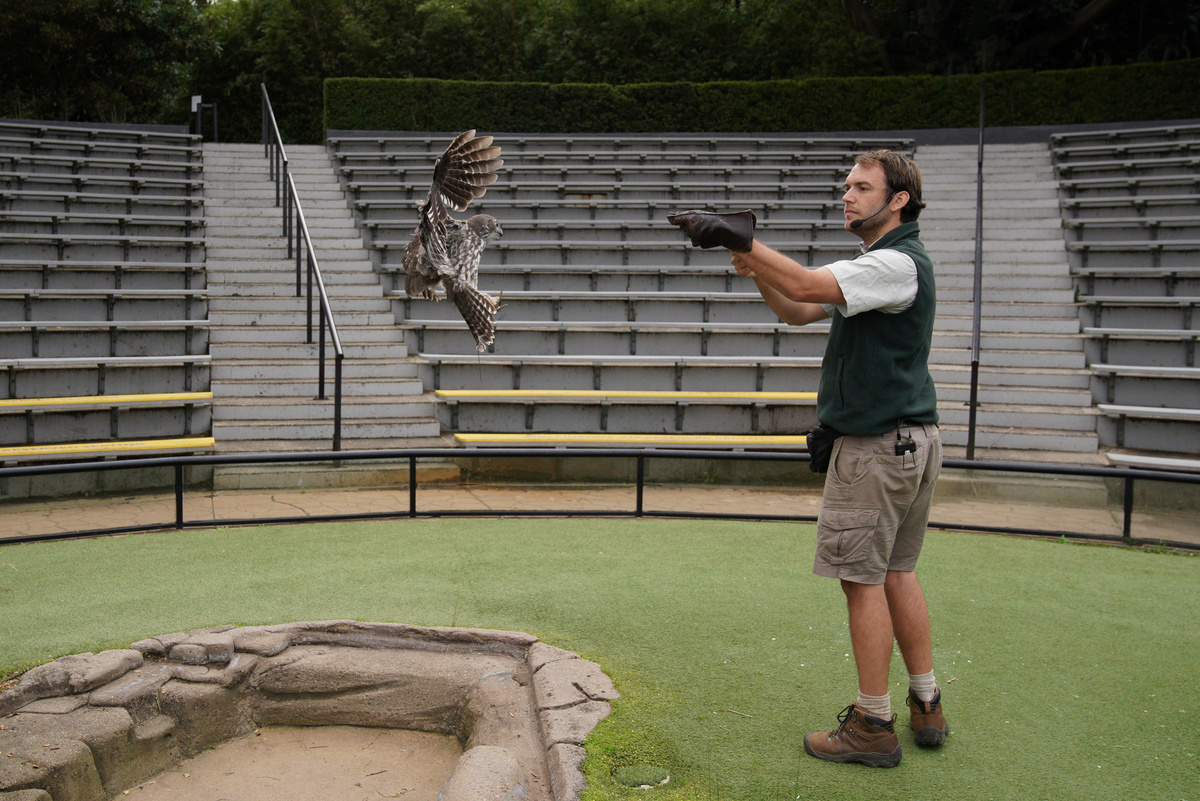
Bird show keeper Brendan Host practices a show routine with a black-breasted buzzard in front of an empty seating area, the result of a zoo closure to curb the spread of the coronavirus disease (COVID-19), at Taronga Zoo Sydney in Sydney, Australia, April 20, 2020. REUTERS/Loren Elliott
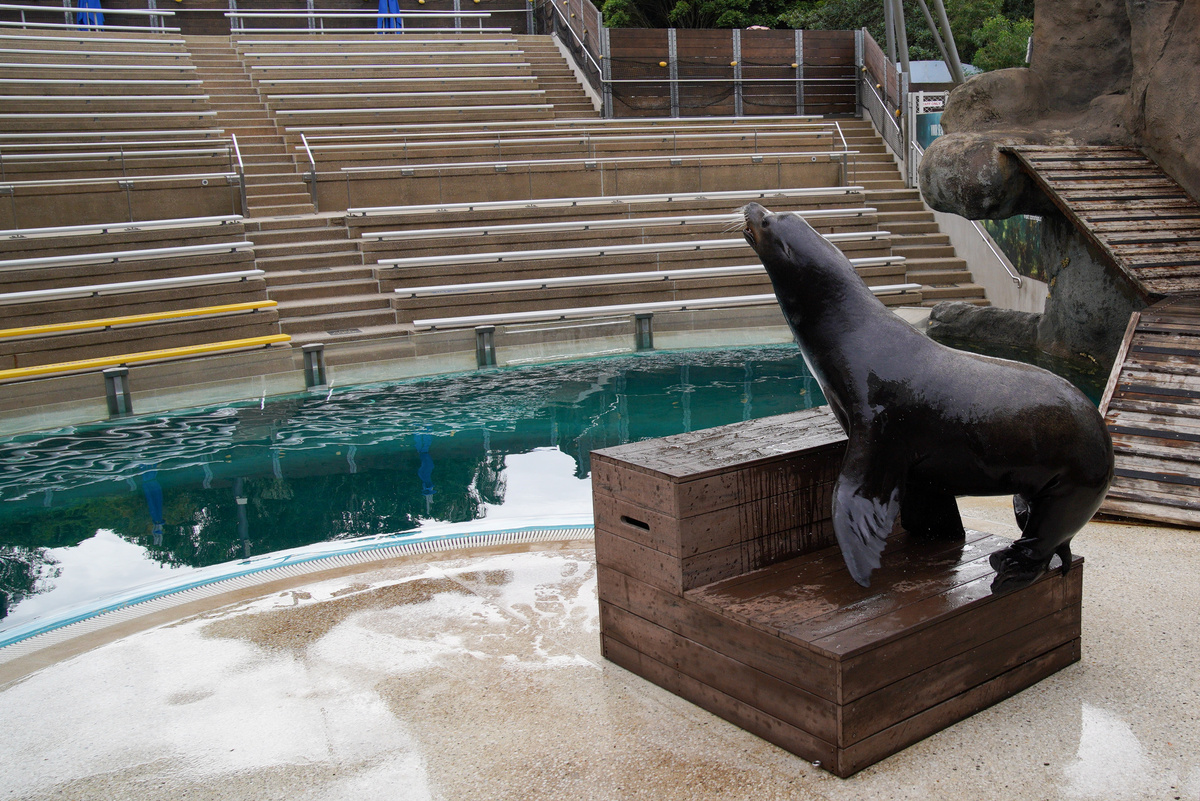
There are no visitors at Australia's biggest zoo due to the coronavirus restrictions, but training and feeding times must keep to schedule, keepers say, particularly for animals that perform in live shows like sea lions and birds of prey.
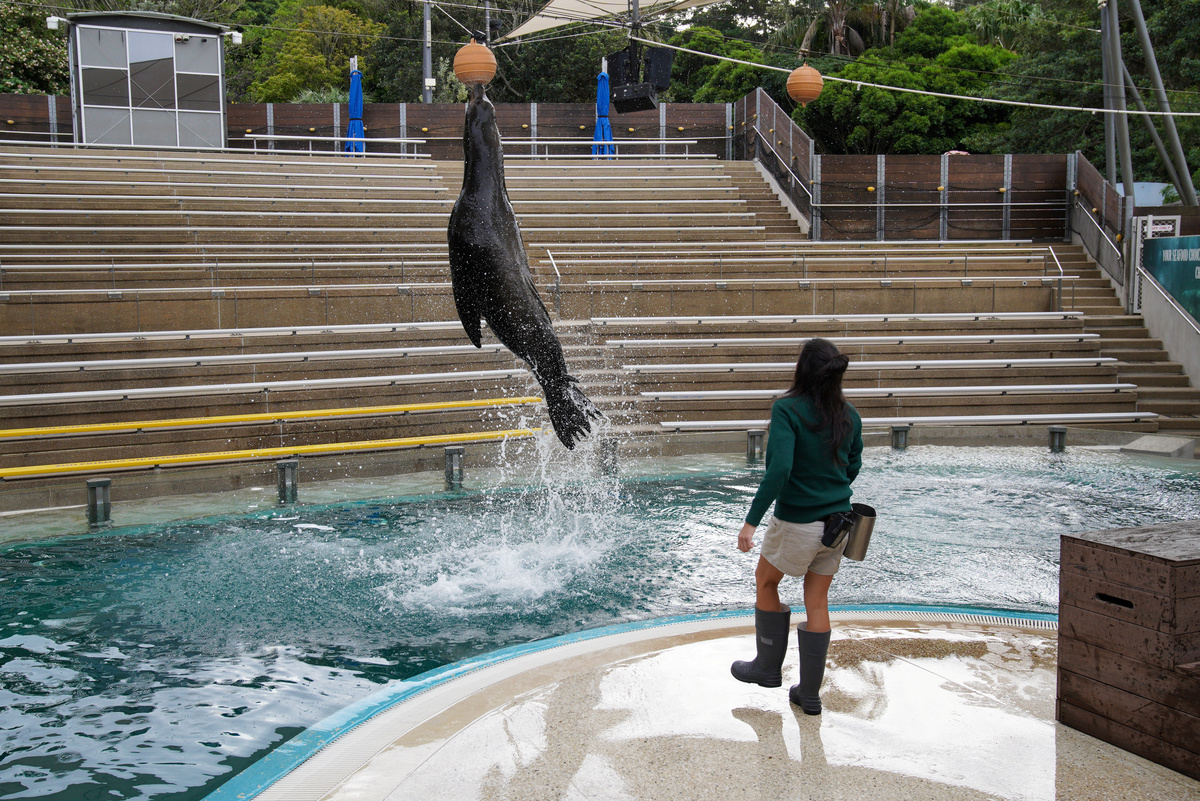
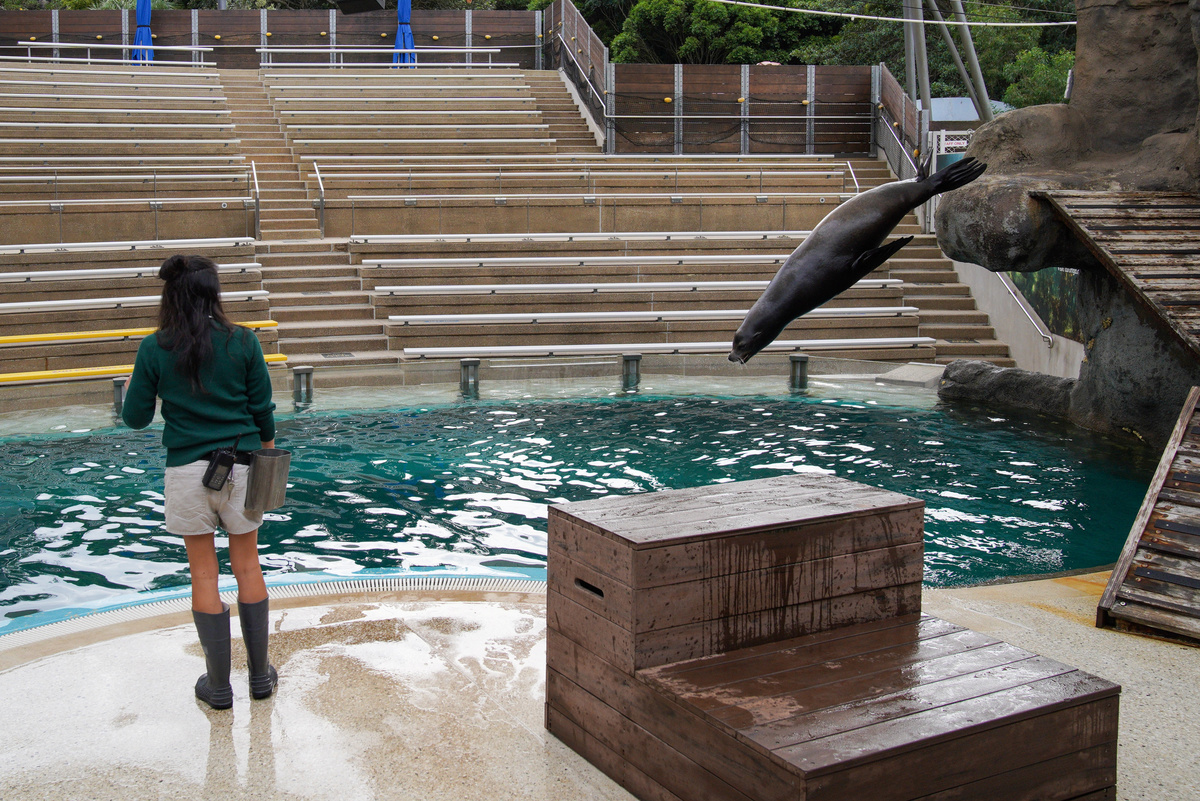
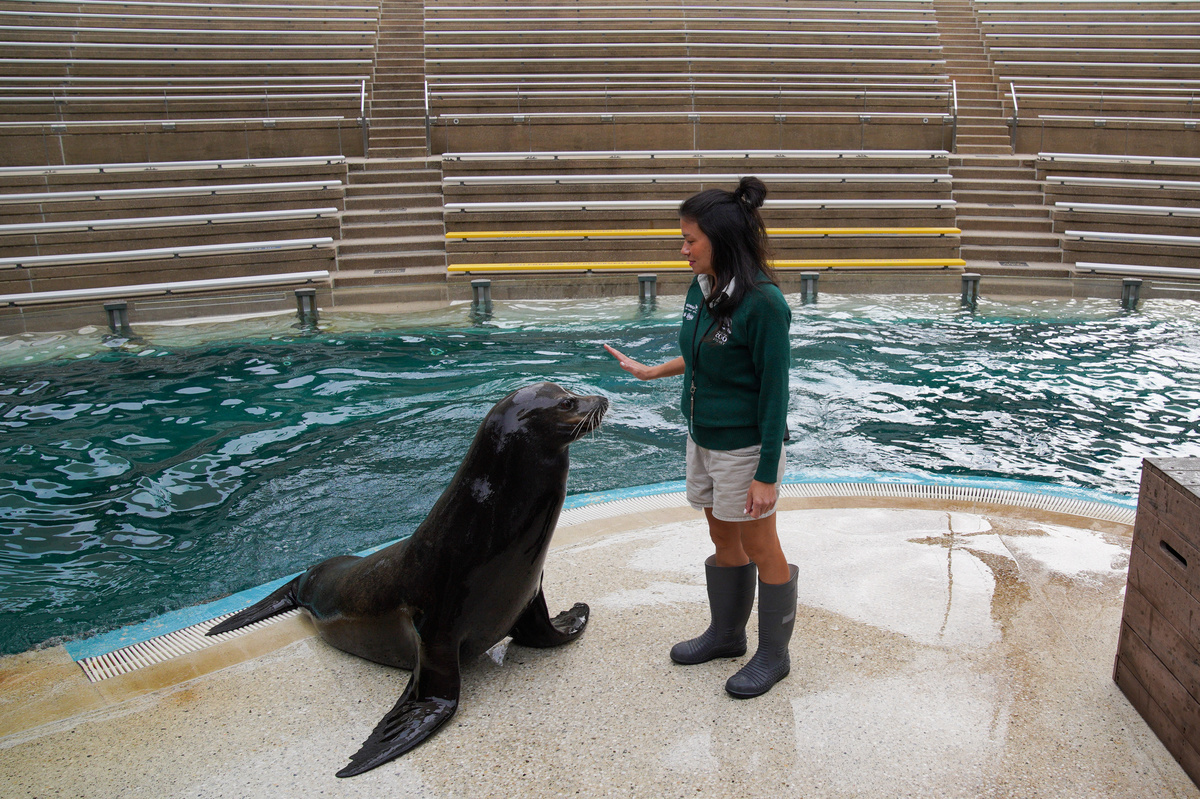
"Animals don't seem to react differently, however they would definitely notice that there are no crowds out here when we are doing training sessions on stage," said Danielle Fox, supervisor of marine mammals at Sydney's Taronga Zoo.
A sea lion named Pepper practices a show routine in front of an empty seating area, the result of a zoo closure to curb the spread of the coronavirus disease (COVID-19), at Taronga Zoo Sydney in Sydney, Australia, April 20, 2020. REUTERS/Loren Elliott
Australia has largely avoided the high numbers of casualties which have beset other countries as the coronavirus officially called COVID-19 leaves a path of destruction around the world, with about 6,600 infections and 71 deaths.
That has been put down to heavy restrictions on public movement including border closures, shuttering most businesses that rely on paying visitors - like zoos - with no end date given.
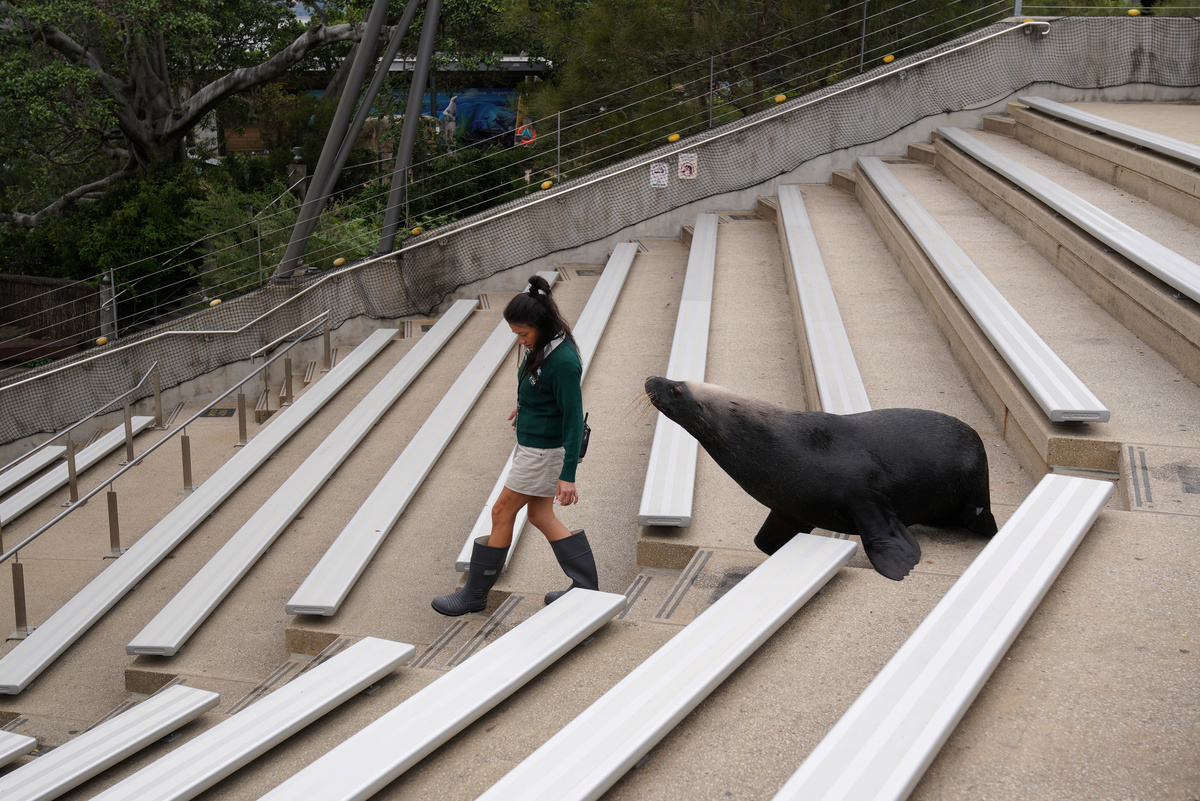
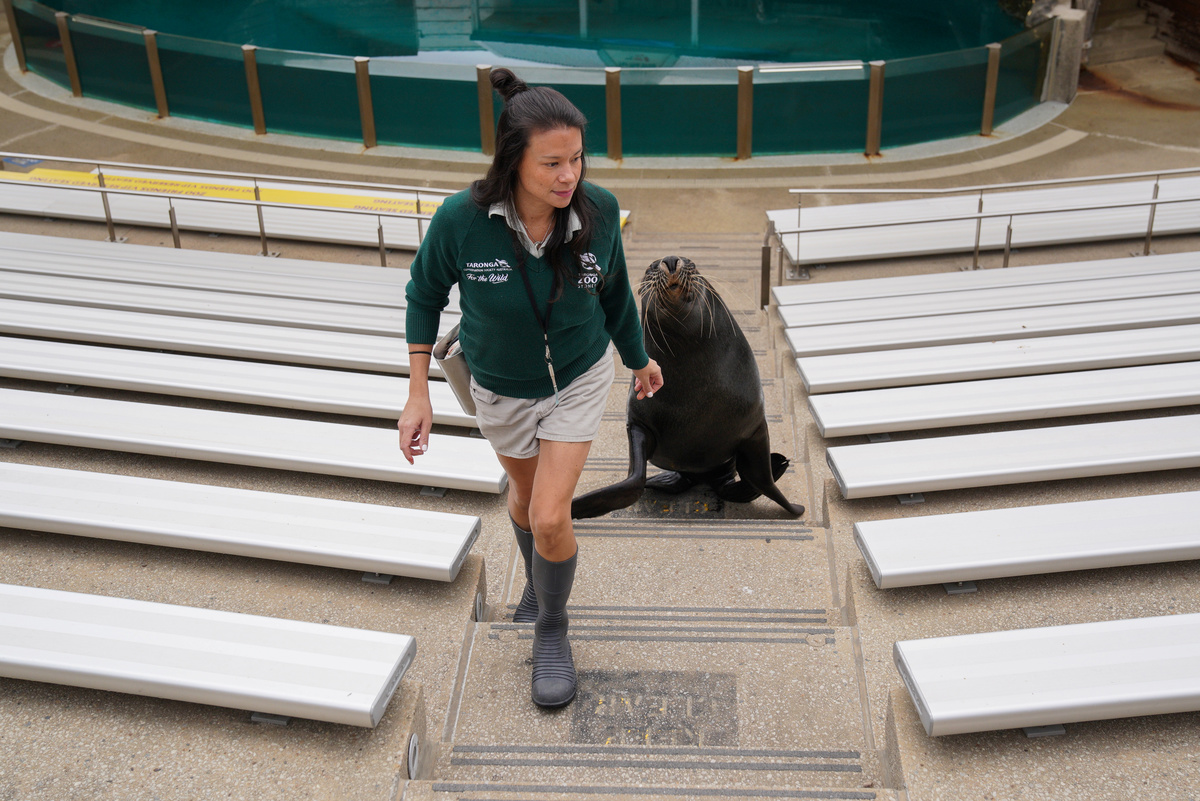
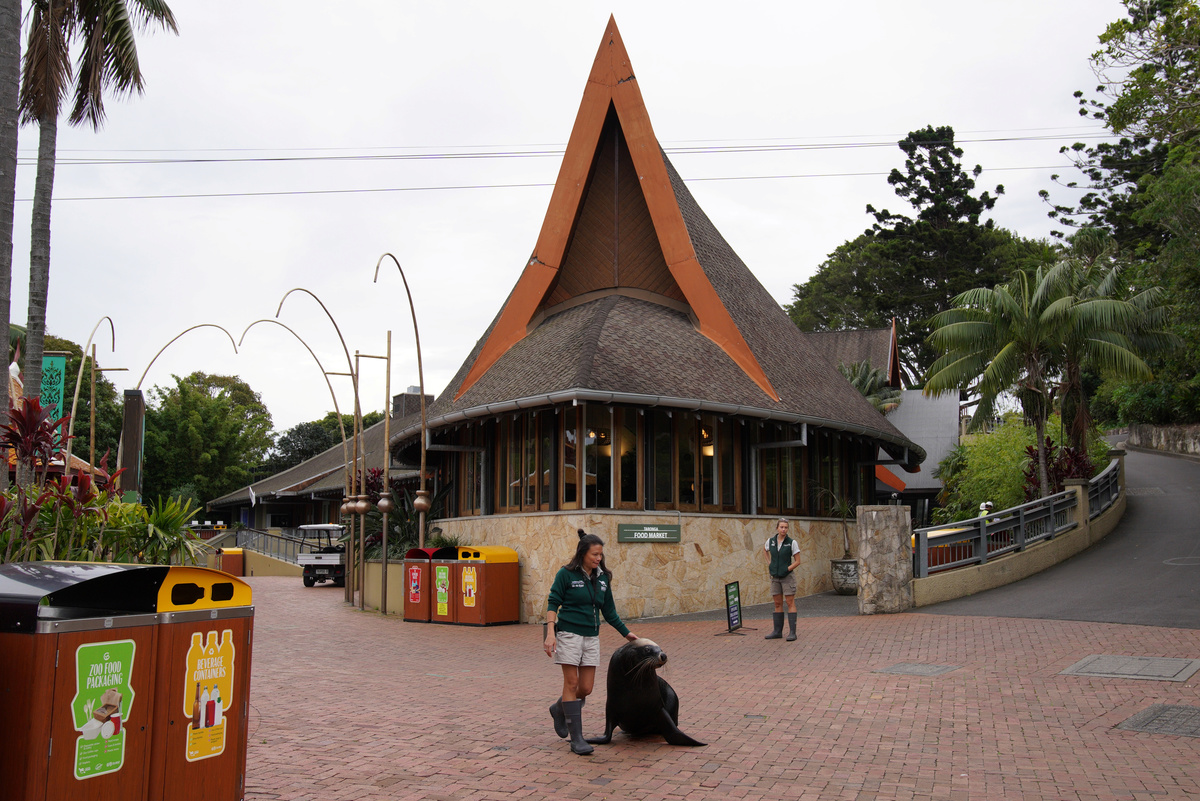
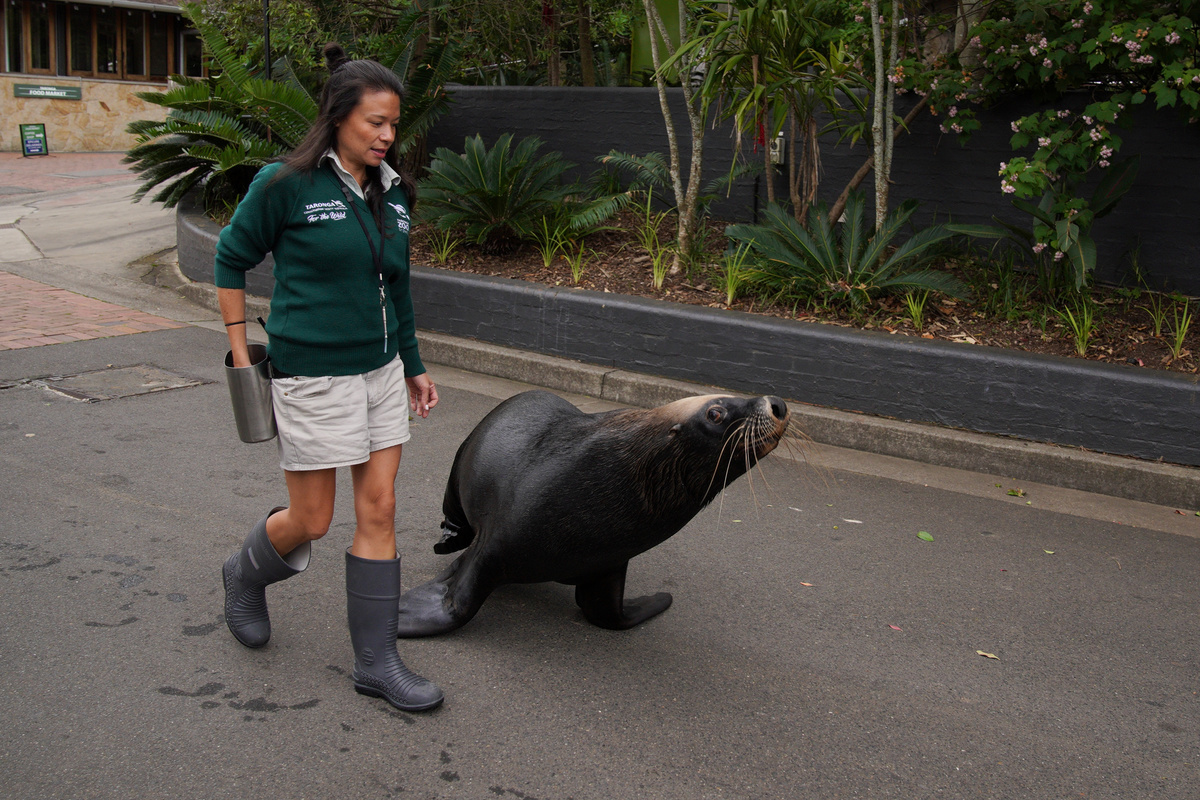
But the absence of crowds does not affect the needs of animals, and their keepers said they are sticking to routines including keeping the same feeding times, cleaning of enclosures and training, albeit with the option to roam around the deserted waterfront park.
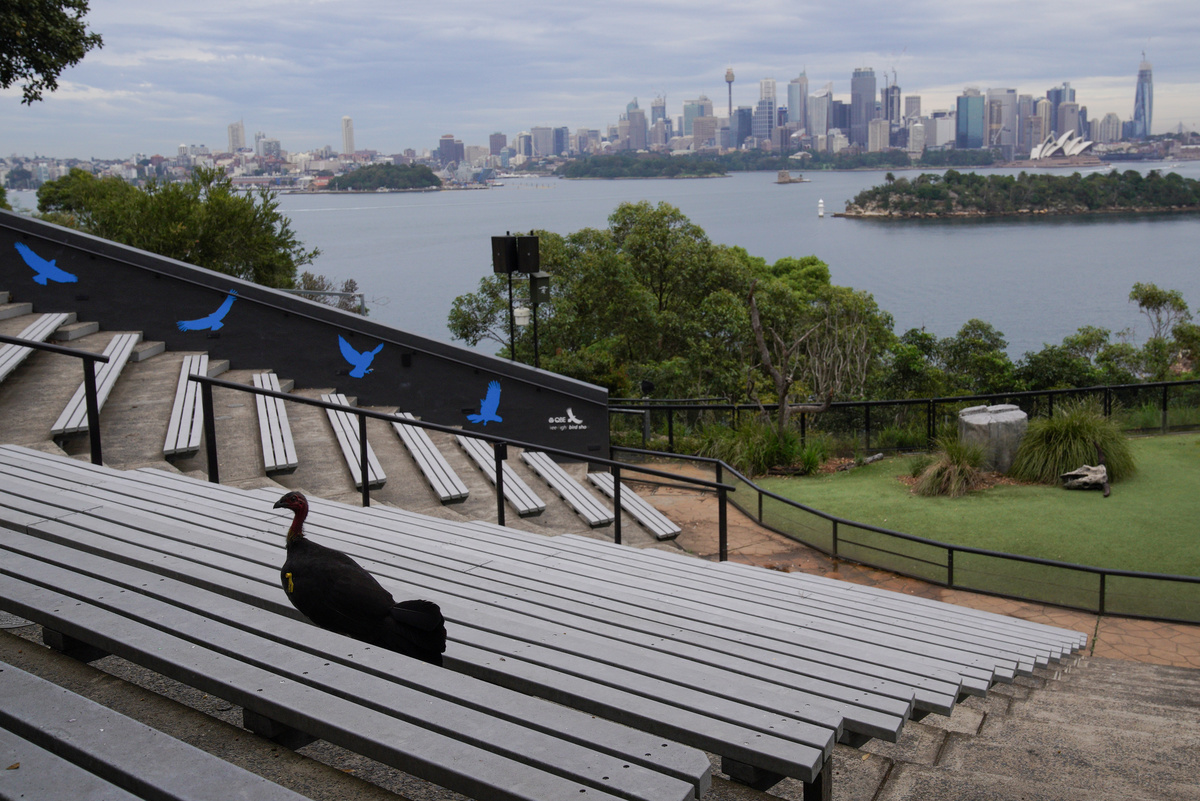
An Australian brush-turkey walks through an empty seating area, the result of a zoo closure to curb the spread of the coronavirus disease (COVID-19), at Taronga Zoo Sydney in Sydney, Australia, April 20, 2020. REUTERS/Loren Elliott
"One day when the zoo does open back up again we don't want them to have gone through a such a big period of change ... and for them to have to adapt back into their routine," said Fox.
Brendan Marcos, a falconer at the zoo, said it was hard to say if the performing birds were affected by the empty seats, but he definitely was.
"It's kind of like there's a void," he said. "It just feels empty."
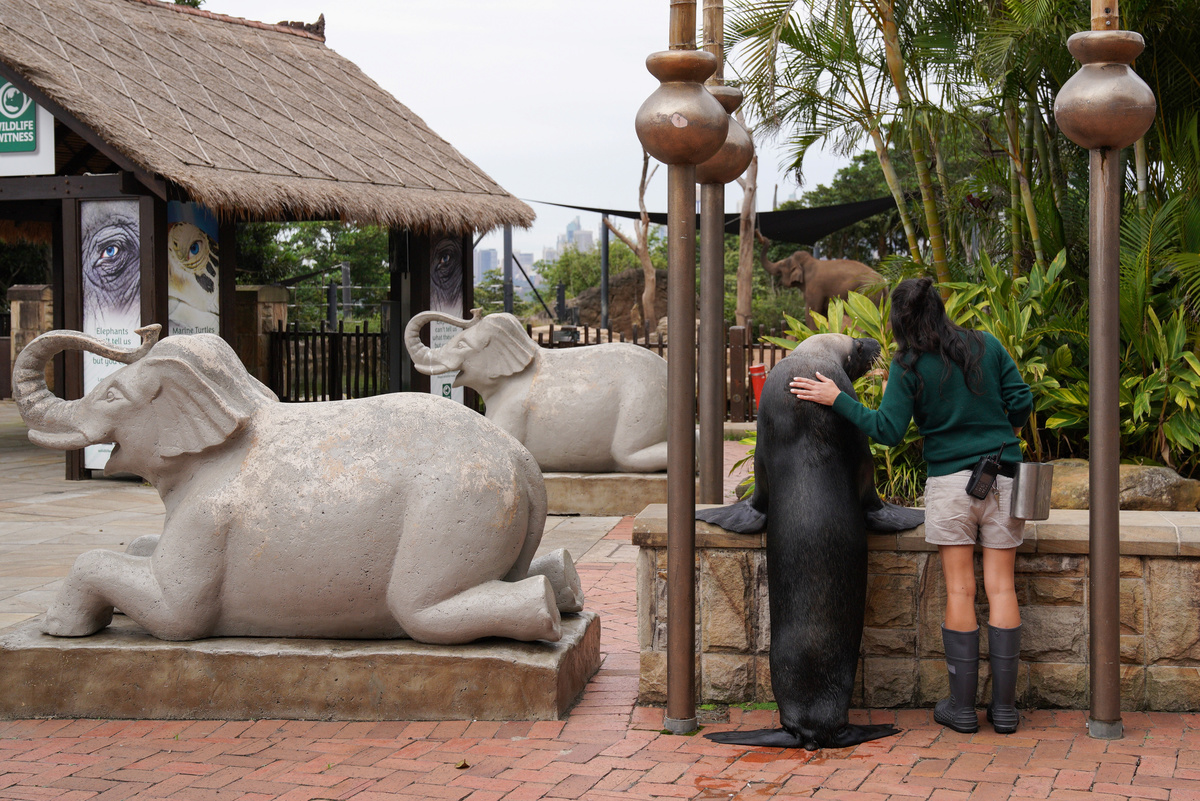
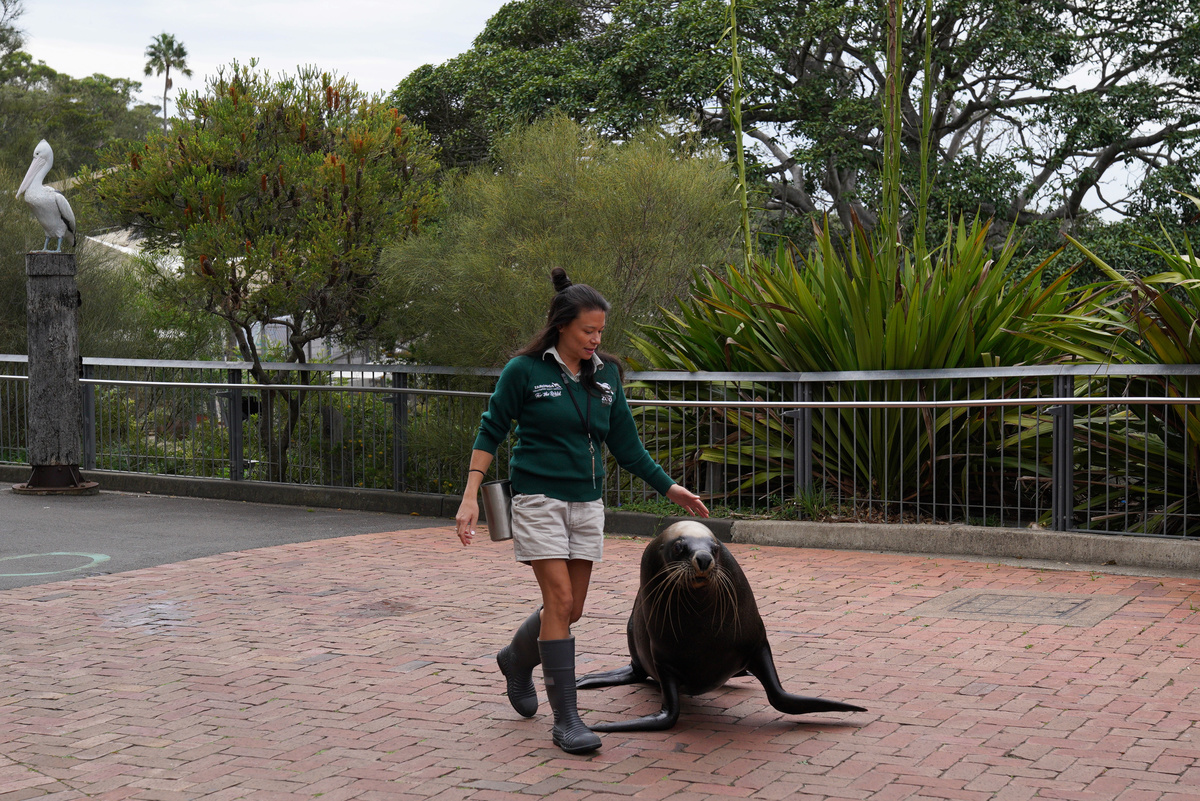
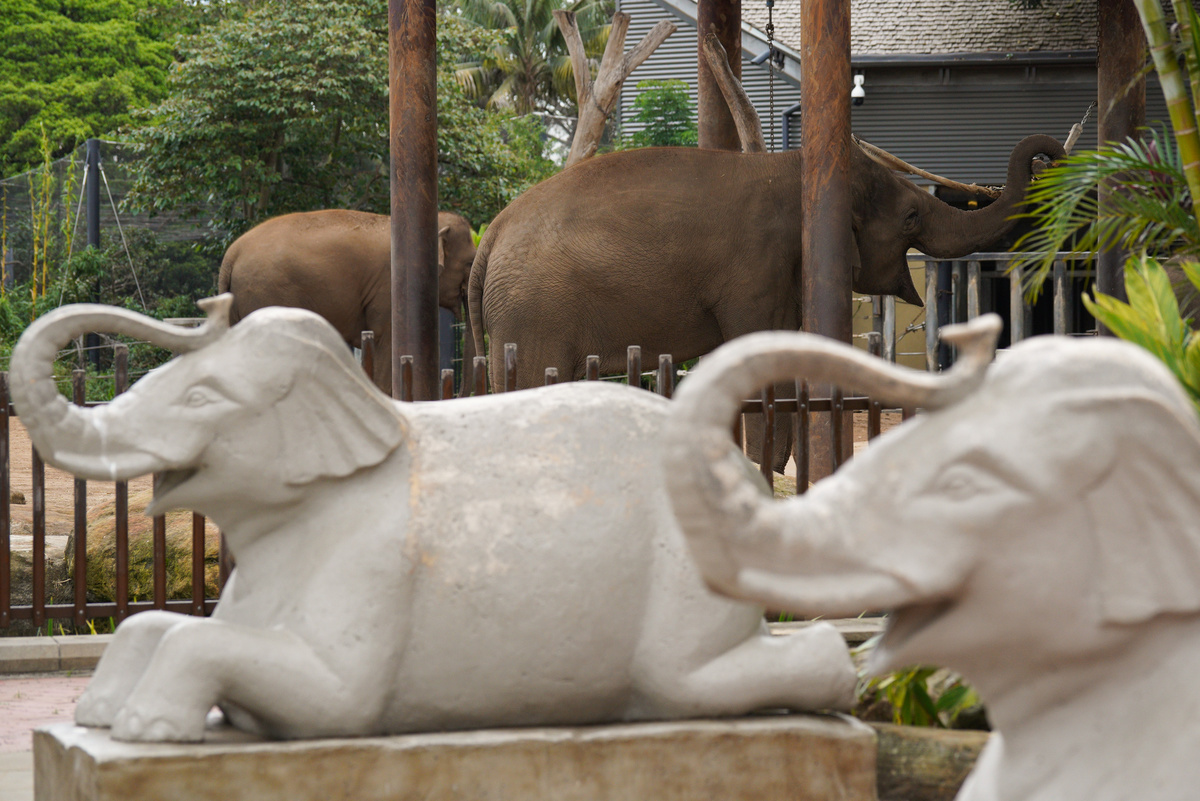
Marine mammals unit supervisor Danielle Fox and a sea lion named Malie stop to look at the elephants while taking advantage of empty zoo grounds, closed to curb the spread of the coronavirus disease (COVID-19), to have a walk at Taronga Zoo Sydney in Sydney, Australia, April 20, 2020. REUTERS/Loren Elliott
(Reporting by Jill Gralow; Writing by Byron Kaye; Editing by Simon Cameron-Moore)
Bird show keeper Brendan Host practices a show routine with a barking owl in front of an empty seating area, the result of a zoo closure to curb the spread of the coronavirus disease (COVID-19), at Taronga Zoo Sydney in Sydney, Australia, April 20, 2020. REUTERS/Loren ElliottBird show keeper Brendan Host practices a show routine with a barking owl in front of an empty seating area, the result of a zoo closure to curb the spread of the coronavirus disease (COVID-19), at Taronga Zoo Sydney in Sydney, Australia, April 20, 2020. REUTERS/Loren ElliottMarine mammals unit supervisor Danielle Fox practices a show routine with a sea lion named Pepper in front of an empty seating area, the result of a zoo closure to curb the spread of the coronavirus disease (COVID-19), at Taronga Zoo Sydney in Sydney, Australia, April 20, 2020. REUTERS/Loren ElliottMarine mammals unit supervisor Danielle Fox takes advantage of empty zoo grounds, closed to curb the spread of the coronavirus disease (COVID-19), to lead a sea lion named Malie on a walk at Taronga Zoo Sydney in Sydney, Australia, April 20, 2020. REUTERS/Loren ElliottMarine mammals unit supervisor Danielle Fox takes advantage of empty zoo grounds, closed to curb the spread of the coronavirus disease (COVID-19), to lead a sea lion named Malie on a walk at Taronga Zoo Sydney in Sydney, Australia, April 20, 2020. REUTERS/Loren ElliottMarine mammals unit supervisor Danielle Fox takes advantage of empty zoo grounds, closed to curb the spread of the coronavirus disease (COVID-19), to lead a sea lion named Malie on a walk at Taronga Zoo Sydney in Sydney, Australia, April 20, 2020. REUTERS/Loren ElliottMarine mammals unit supervisor Danielle Fox practices a show routine with a sea lion named Pepper in front of an empty seating area, the result of a zoo closure to curb the spread of the coronavirus disease (COVID-19), at Taronga Zoo Sydney in Sydney, Australia, April 20, 2020. REUTERS/Loren ElliottMarine mammals unit supervisor Danielle Fox takes advantage of empty zoo grounds, closed to curb the spread of the coronavirus disease (COVID-19), to lead a sea lion named Malie on a walk at Taronga Zoo Sydney in Sydney, Australia, April 20, 2020. REUTERS/Loren ElliottElephants are seen during a public closure of Taronga Zoo Sydney, implemented to curb the spread of the coronavirus disease (COVID-19), in Sydney, Australia, April 20, 2020. REUTERS/Loren ElliottMarine mammals unit supervisor Danielle Fox takes advantage of empty zoo grounds, closed to curb the spread of the coronavirus disease (COVID-19), to lead a sea lion named Malie on a walk at Taronga Zoo Sydney in Sydney, Australia, April 20, 2020. REUTERS/Loren ElliottMarine mammals unit supervisor Danielle Fox practices a show routine with a sea lion named Pepper in front of an empty seating area, the result of a zoo closure to curb the spread of the coronavirus disease (COVID-19), at Taronga Zoo Sydney in Sydney, Australia, April 20, 2020. REUTERS/Loren Elliott
Sign up to read this article
Read news from 100’s of titles, curated specifically for you.




.jpg?w=600)