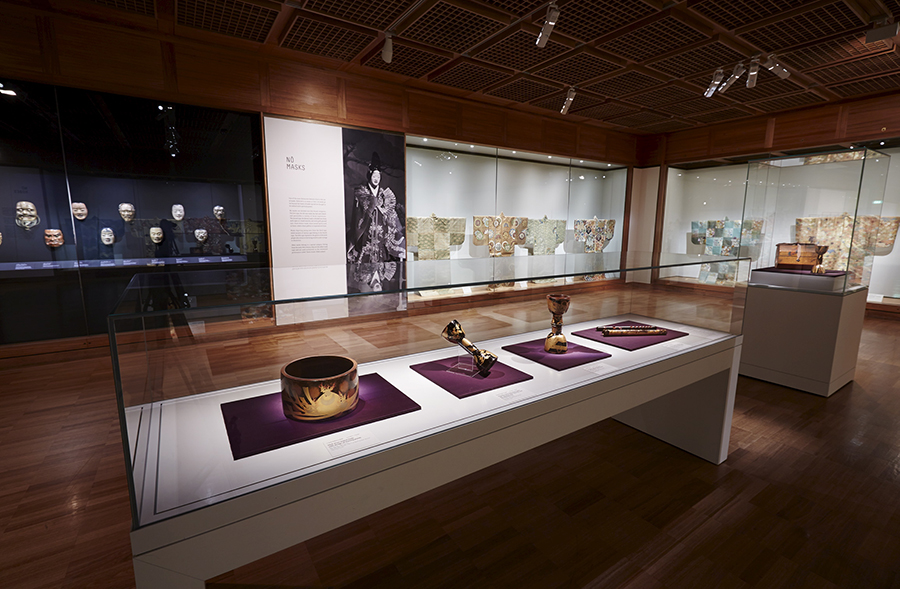
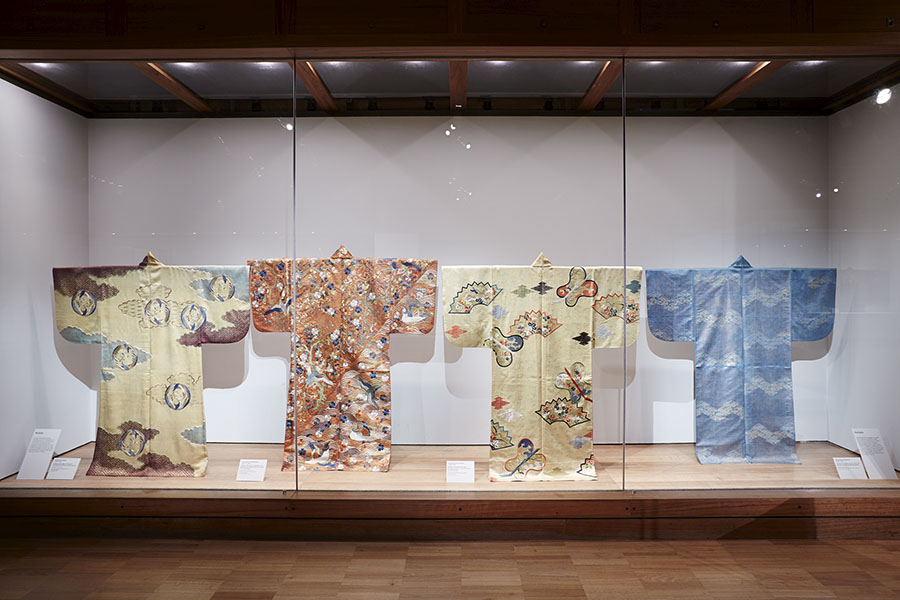
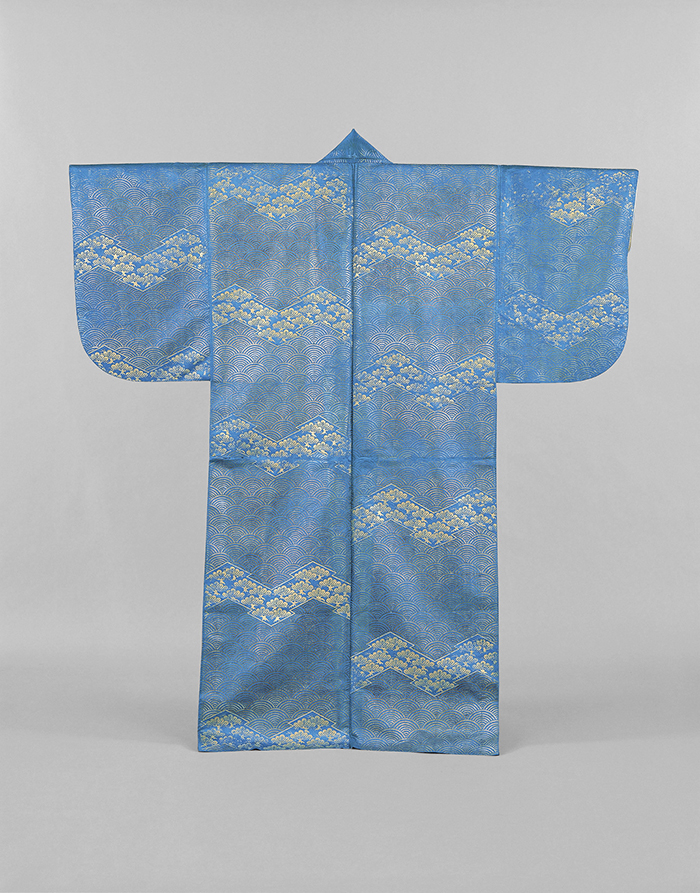
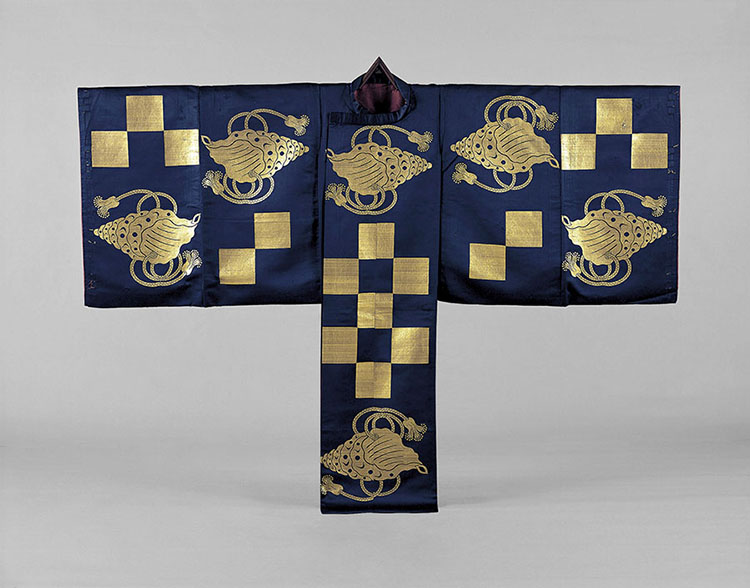
An installation view of the Art Gallery of New South Wales’s latest exhibition Theatre of dreams, theatre of play: nō and kyōgen in Japan.Photograph: Art Gallery of New South Wales/SuppliedFour of the elaborately embroidered karaori robes on display in Theatre of dreams, theatre of play: nō and kyōgen in Japan exhibition at the Art Gallery of New South Wales.Photograph: Art Gallery of New South Wales/SuppliedBecause of the association with military aristocracy, nō costumes are influenced by the refined garments of the samurai. This 18th century Edo period surihaku nō robe features ocean waves and pine-bark lozenges.Photograph: Art Gallery of New South Wales/Supplied
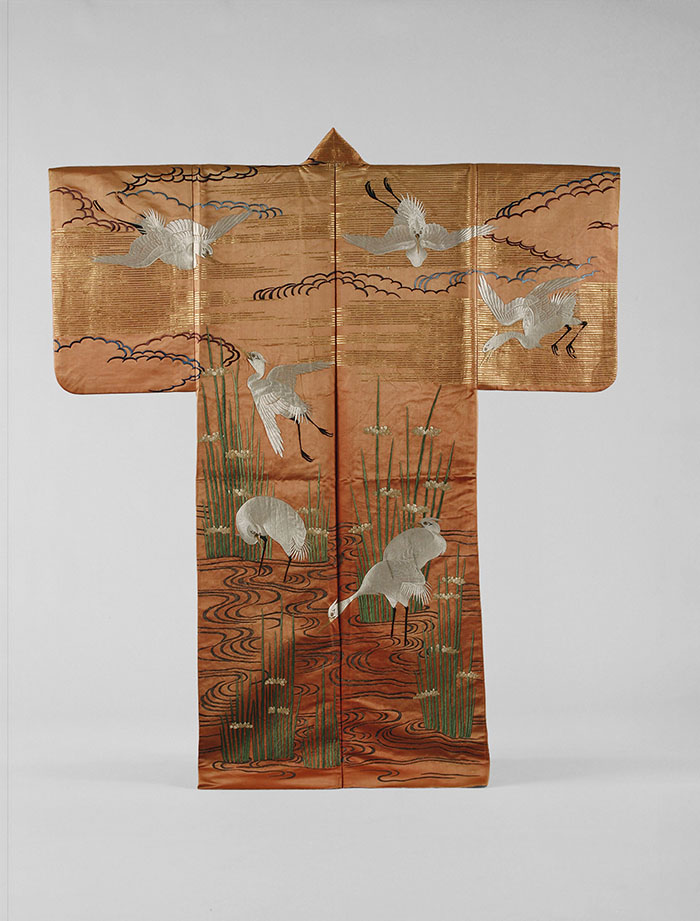
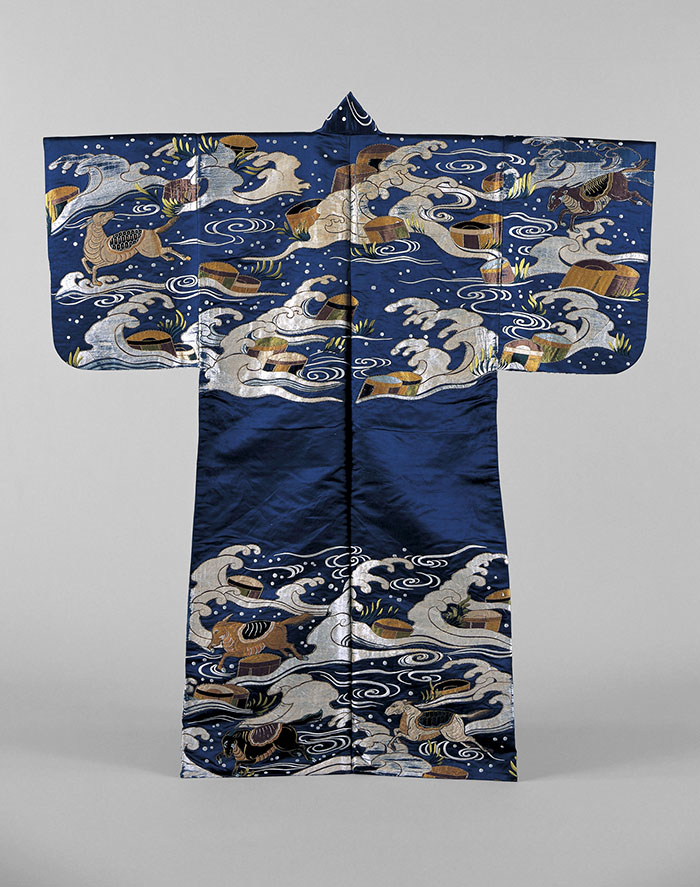
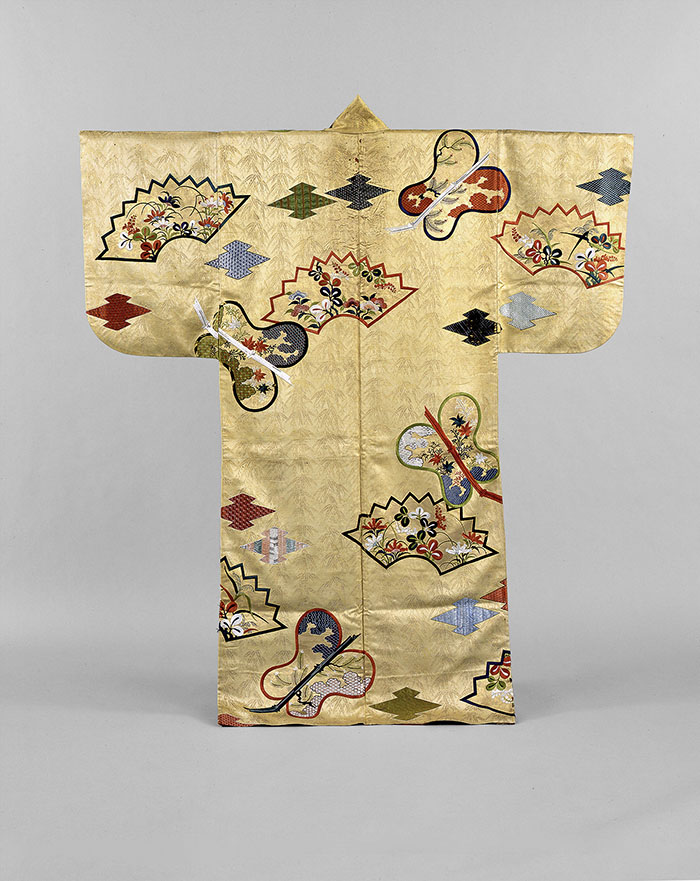
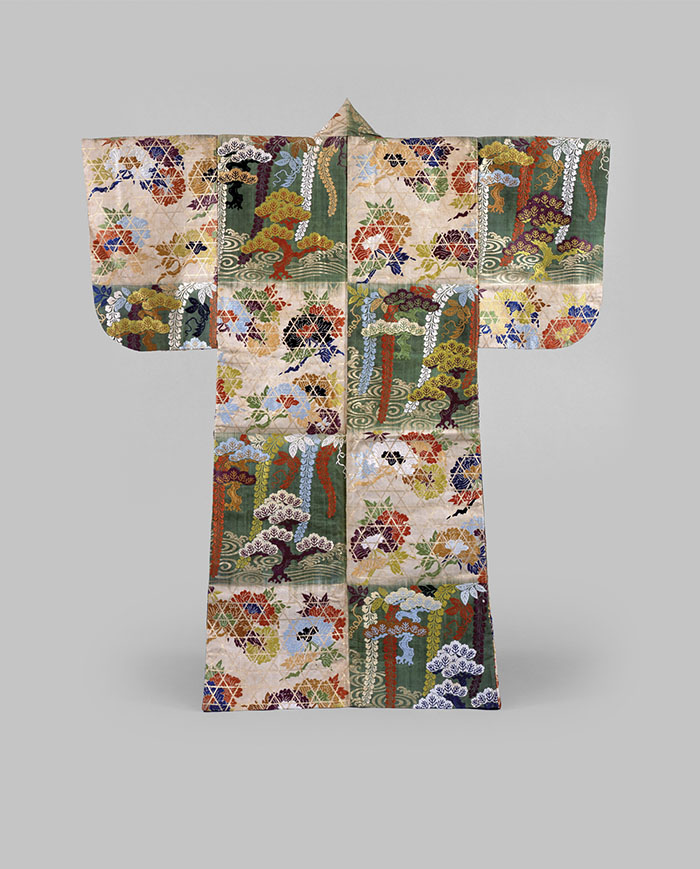
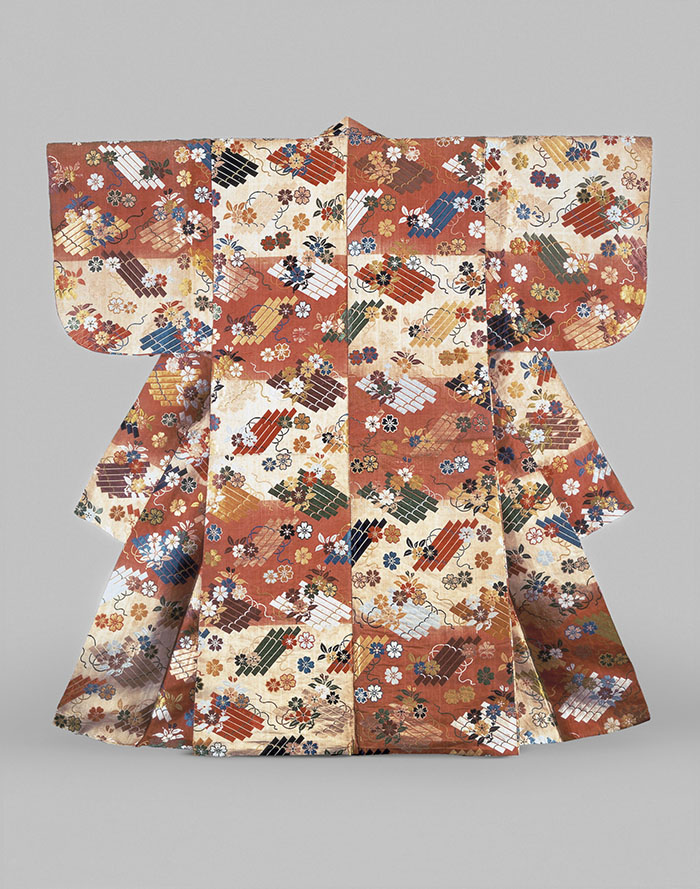
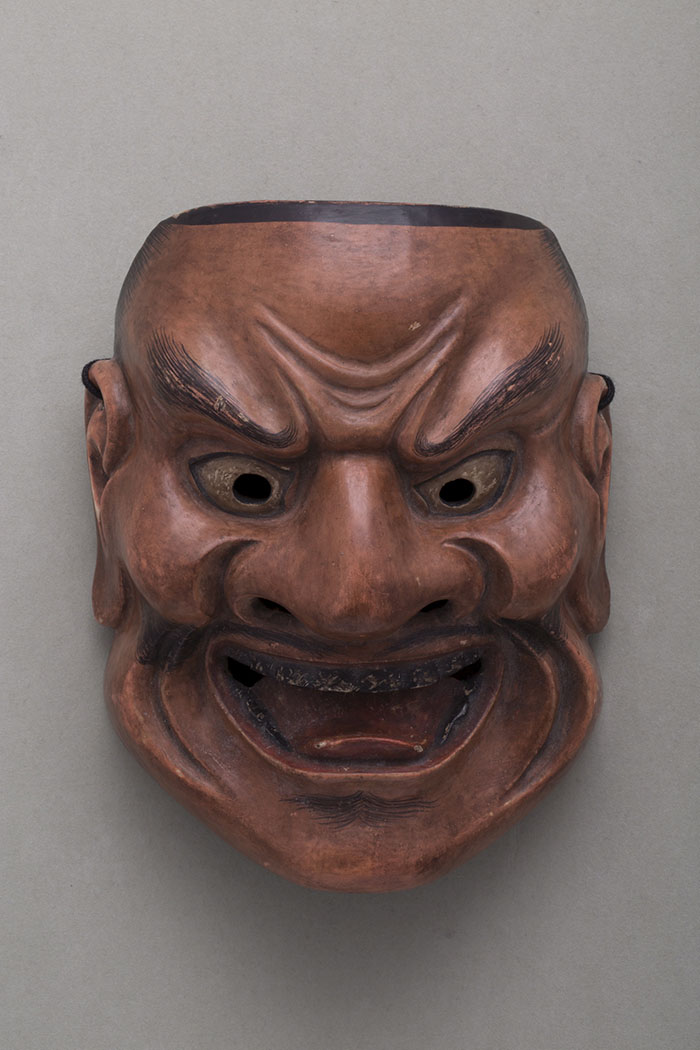
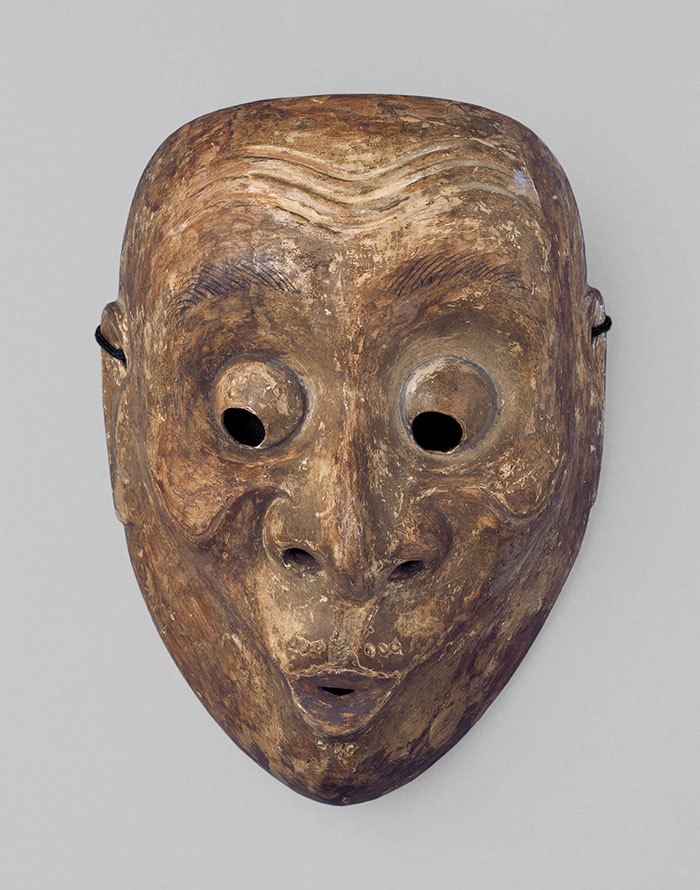
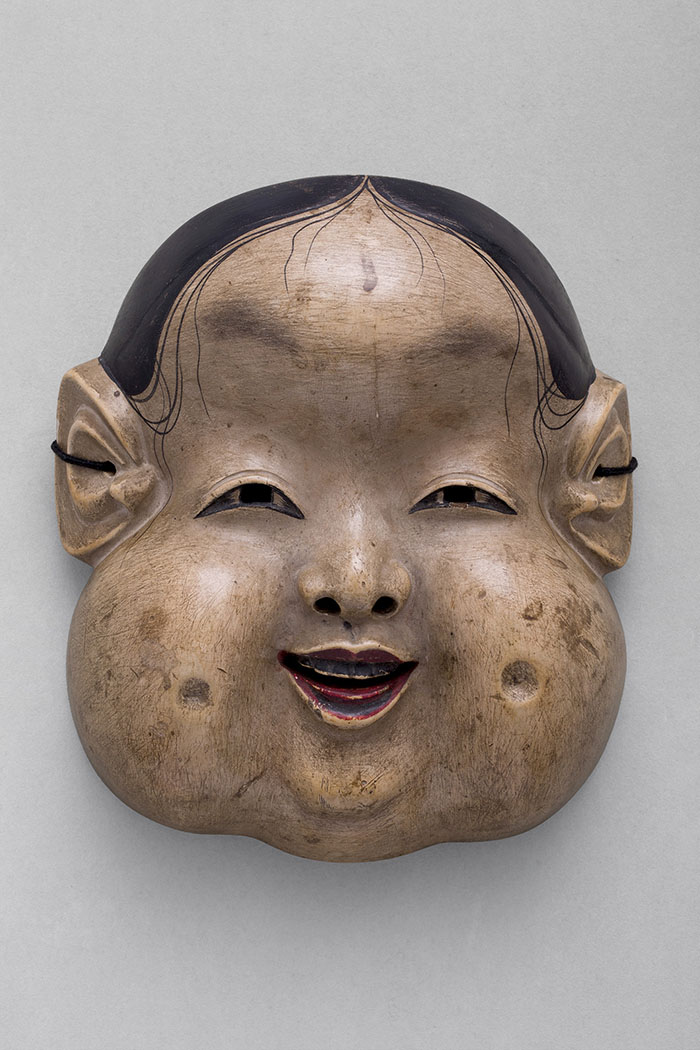
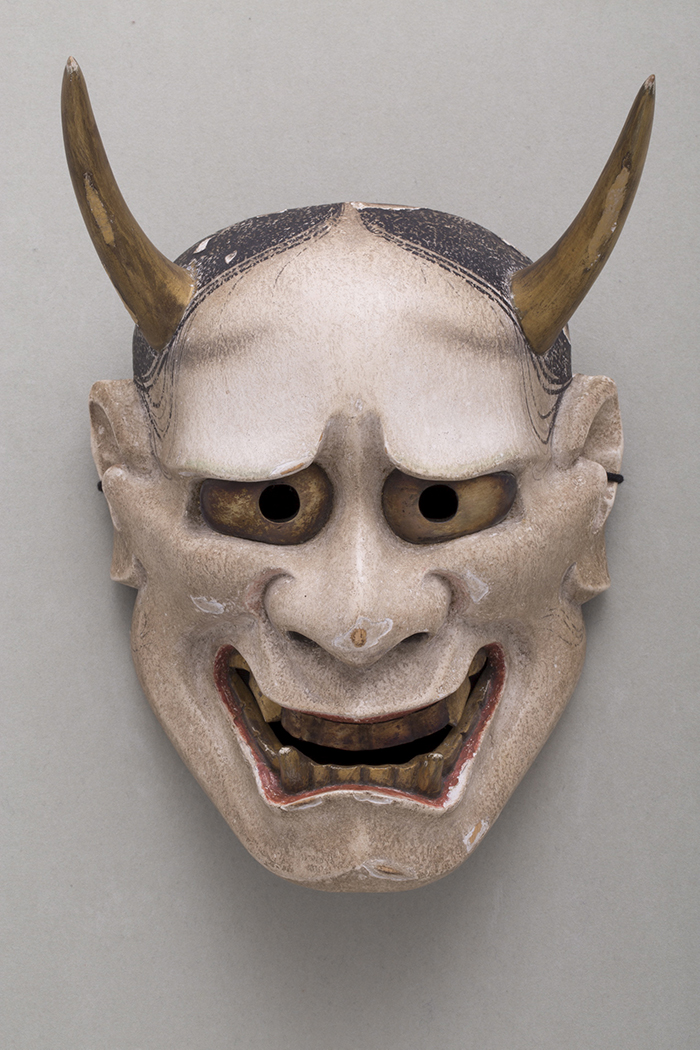
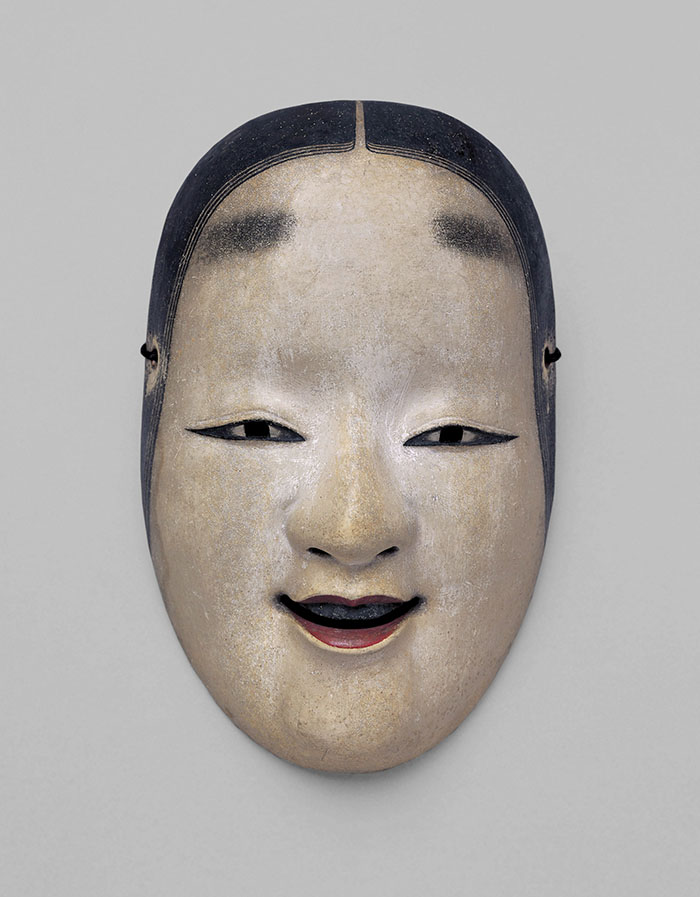
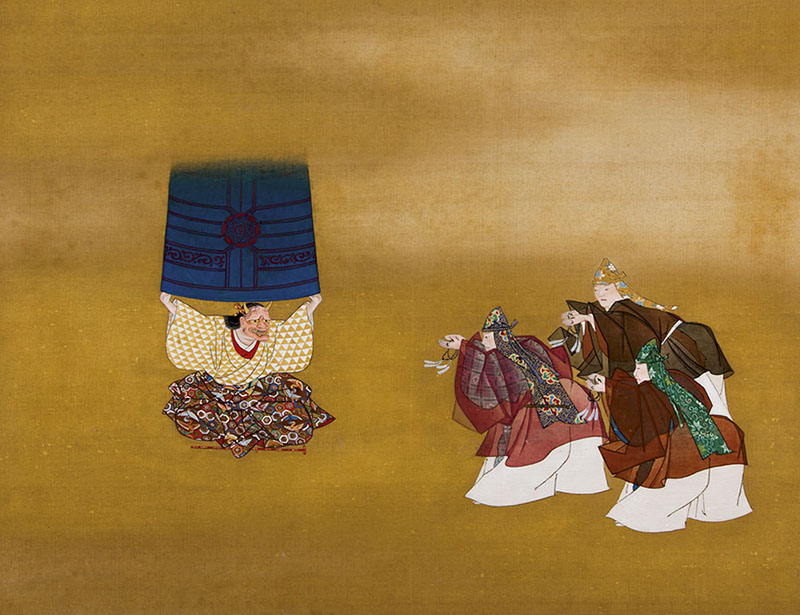
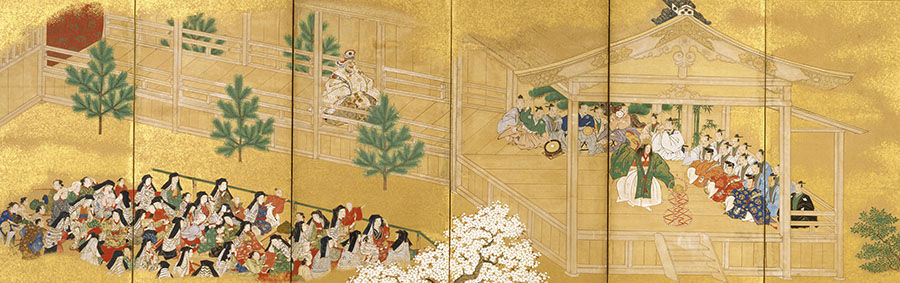
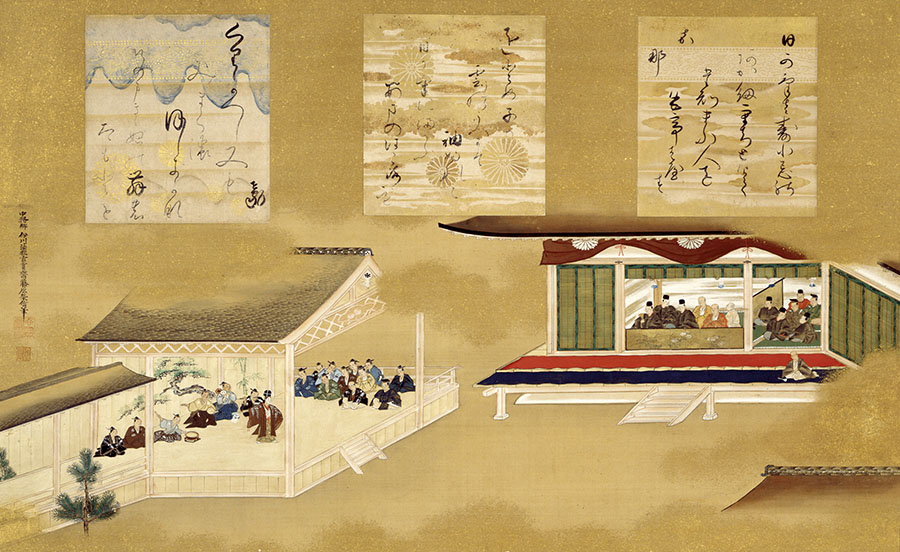
The nuihaku robe is a luxurious inner garment worn for female, male, child and warrior roles in both nō and kyōgen theatre. This 1858 design features herons and bulrushes.Photograph: Art Gallery of New South Wales/SuppliedMeaning ‘embroidery and foil’, the nuihaku robe has a satin or silk base and is embroidered with a gold or silver foil pattern. This nuihaku nō robe is from the 19th century Edo period and features a design of waves, kirin and buckets.Photograph: Art Gallery of New South Wales/SuppliedThis nuihaku robe is from the 18th century Edo period and features a design of fans and pine-bark lozenges over bamboo leaves.Photograph: Art Gallery of New South Wales/SuppliedThe karaori robe is one of the most distinctive nō costumes. Made with silk twill weave and silk and gold-leaf paper supplementary weft patterning, this 19th century karaori robe features peonies, pine and wisteria flowers on alternating blocks of white and green ground.Photograph: Art Gallery of New South Wales/SuppliedThe colours and patterns of the karaori robe symbolise different character traits, for example age or social standing. This example features a design of flower rafts on alternating blocks of crimson and white ground.Photograph: Art Gallery of New South Wales/SuppliedThe 19th century kariginu ‘hunting robe’ is either patterned or unpatterned to indicate character roles. Characters such as deities, court nobles, demons and spirits wear multicoloured, patterned robes, while pastoral characters usually wear plain garments.Photograph: Art Gallery of New South Wales/SuppliedNō and kyōgen masks are crafted out of a single block of Japanese cypress wood. This bishamon mask, from the 18th century Edo period, is held by the National Noh theatre in Japan.Photograph: Art Gallery of New South Wales/SuppliedThe usofuki mask, used in 19th century Edo period kyōgen theatre, is unusual because it can be used for different characters. Translated as ‘whistler’, the usofuki’s typical features are the flattened ears, downturned eyes and lips drawn together in a whistle.Photograph: Art Gallery of New South Wales/SuppliedThe oto mask was used in 18th century kyōgen theatre. Although female roles in kyōgen do not usually wear masks, this mask is used to portray unattractive, nagging women, as well as Buddha and mushroom spirits.Photograph: Art Gallery of New South Wales/SuppliedWhite, black or red hannya masks can be coloured differently depending on the performance. The strong facial features of the horns, eyes and mouth are used to symbolise the ghosts of vengeful, jealous women.Photograph: Art Gallery of New South Wales/SuppliedThe ko-omote nō mask from the 17th century Edo period is used for various female roles. A defining detail is the three strands of hair that fall from the top of the forehead.Photograph: Art Gallery of New South Wales/SuppliedThis image is taken from an extravagantly detailed album illustrating 50 popular plays. The artist used intricate, delicate brushwork with vibrant pigments to portray theatre scenes and prominent characters set against a blank background.Photograph: Art Gallery of New South Wales/SuppliedMade in the 18th century mid Edo period by an unknown artist, this folding screen is a significant example of a work that captures the social context of nō theatre and portrays the actors and musicians in performance.Photograph: Art Gallery of New South Wales/SuppliedThis hanging scroll by Kano Naganobu depicts the performance of the nō theatre play ‘Rolls of silk’ for a group of distinguished guests. The 19th century work was commissioned to commemorate the special banquet held at the Imperial palace.Photograph: Art Gallery of New South Wales/Supplied
Sign up to read this article
Read news from 100’s of titles, curated specifically for you.