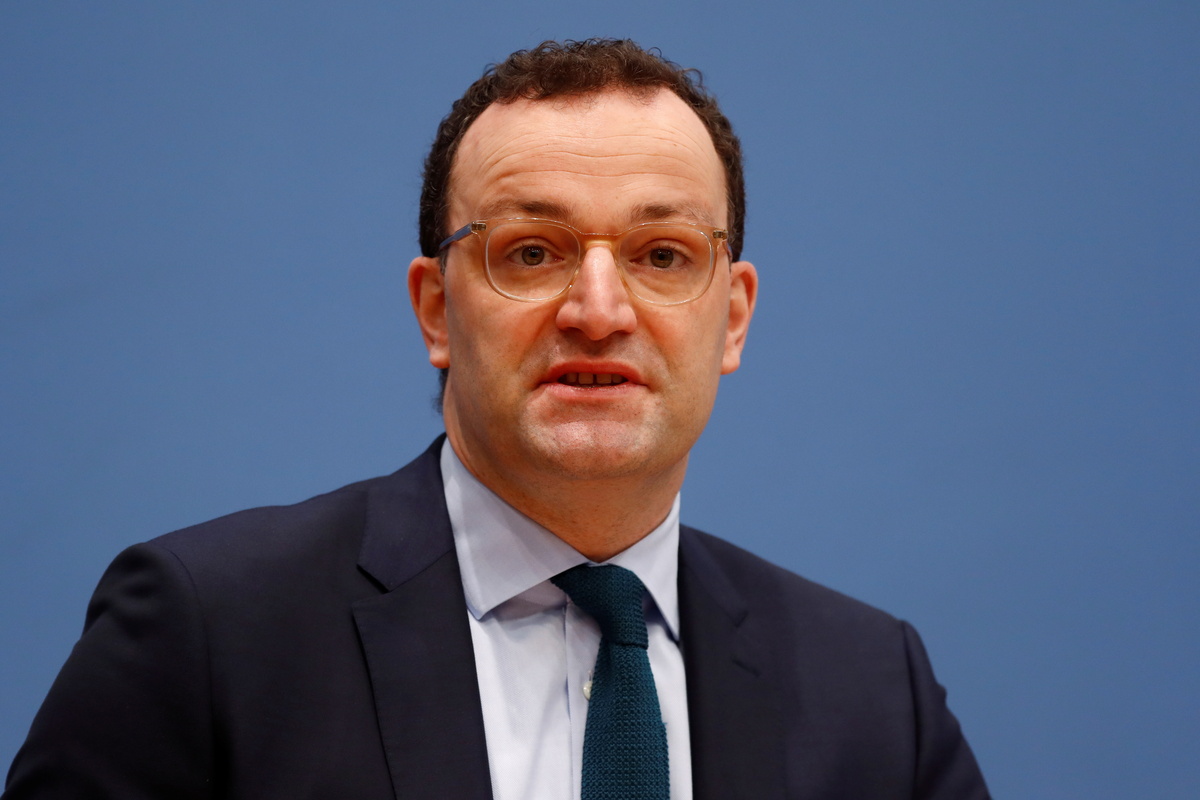
Germany's coronavirus infection numbers are encouraging but remain too high, Health Minister Jens Spahn said on Friday, dampening expectations that restrictions to curb the spread of the virus could be lifted.
Spahn told a news conference that new, more transmissible strains of the virus made it imperative to reduce case numbers further.
"It's like an antibiotic: if you stop too early, stop too soon, resistance can develop," he said. "We don't want to be accused of having relaxed too soon."
Germany, in lockdown since early November, reported over 800 deaths and almost 18,000 new infections on Friday. The 7-day incidence fell to 115 cases per 100,000, its lowest since Nov. 1.
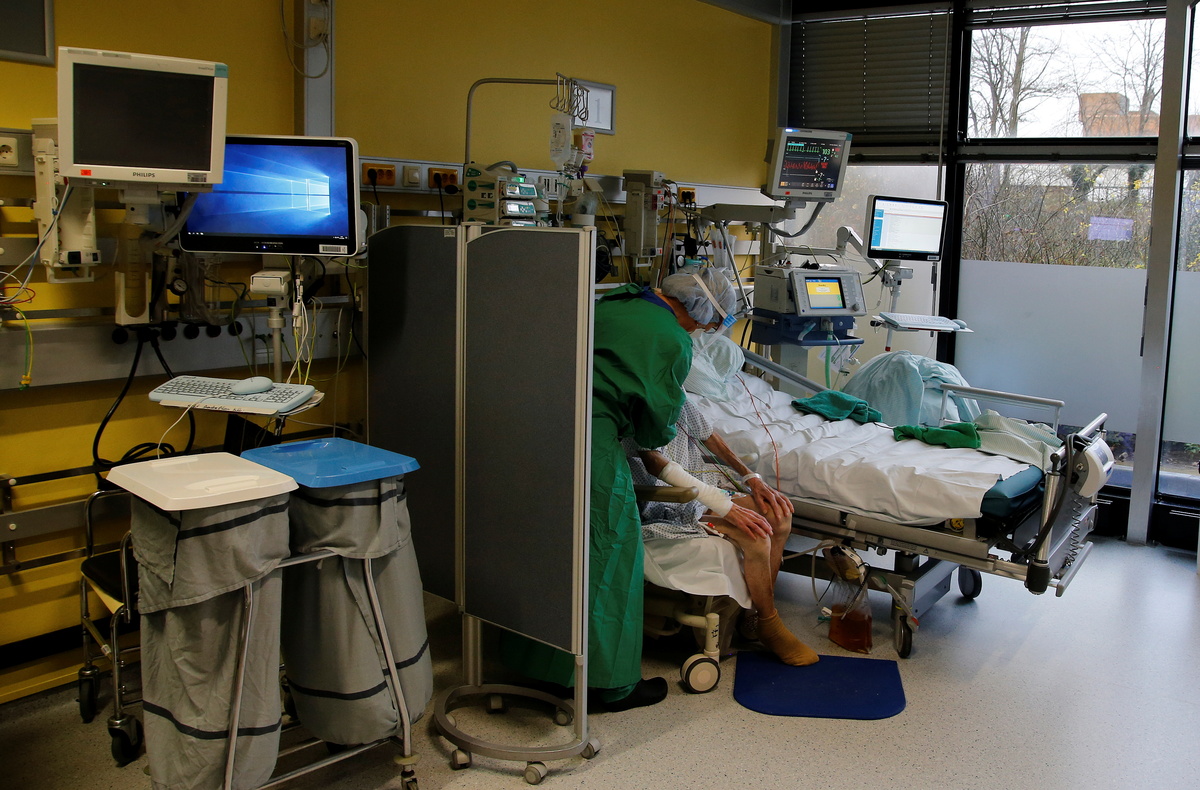
Adherence to lockdown measures meant hospitals have not seen a spike in COVID-19 patients in intensive care due to the Christmas and New Year holiday period, said Gernot Marx, president of the DIVI association for intensive care medicine.
But he warned intensive care units would still need until at least the end of February to deal with the peak of 5,800 COVID-19 patients seen in early January.
"We are still a long way from a situation where we can speak of an easing of the situation," Marx said.
German Chancellor Angela Merkel and state leaders agreed on Tuesday to extend a hard lockdown that keeps schools, restaurants and all non-essential businesses shut until Feb. 14.
A survey for broadcaster ARD found a growing number of Germans are weary of restrictions, with almost half perceiving them to be a strong or very strong burden, up from around a third before Christmas.
Leading virologist Christian Drosten told Spiegel magazine Germany should aim to reduce new infections to zero.
Spahn said, however, a zero-COVID strategy was unrealistic given Germany's location in the middle of Europe.
(Reporting by Caroline Copley and Riham Alkousaa; Editing by Thomas Escritt and Giles Elgood)