For Xu, a mother and wife from central China, losing her family's entire pig herd to African swine fever almost meant not serving the cured pork, known as la rou, and dried sausage central to her Lunar New Year meals.
"I wasn't going to make any this year, but then my son said 'Ma, I want to eat sausage, every year we have it', so I said ok I'll make a bit," she said, standing in her yard strung with homemade sausages, fish and cured pork on a line in a village in Gushi County, in Henan province.
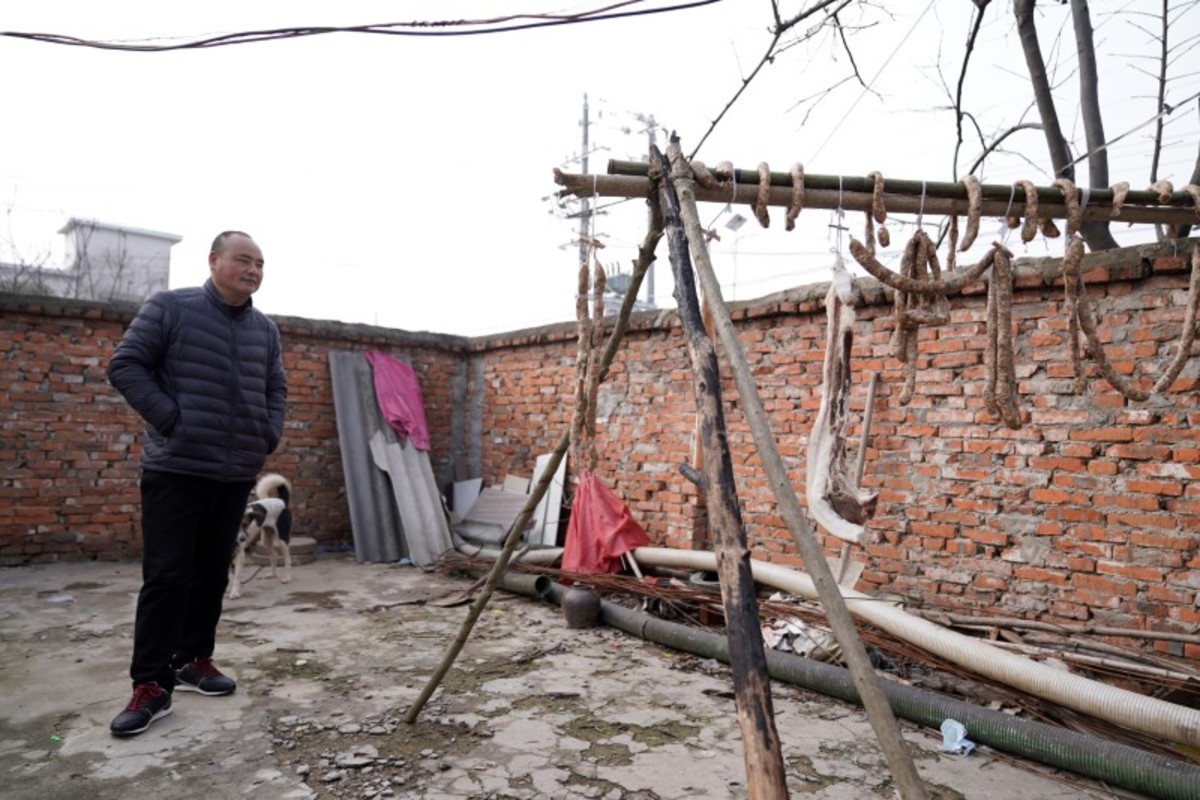
Like millions of other Chinese families, Xu will go with less of her favorite pork dishes as African swine fever has decimated its pig herds.
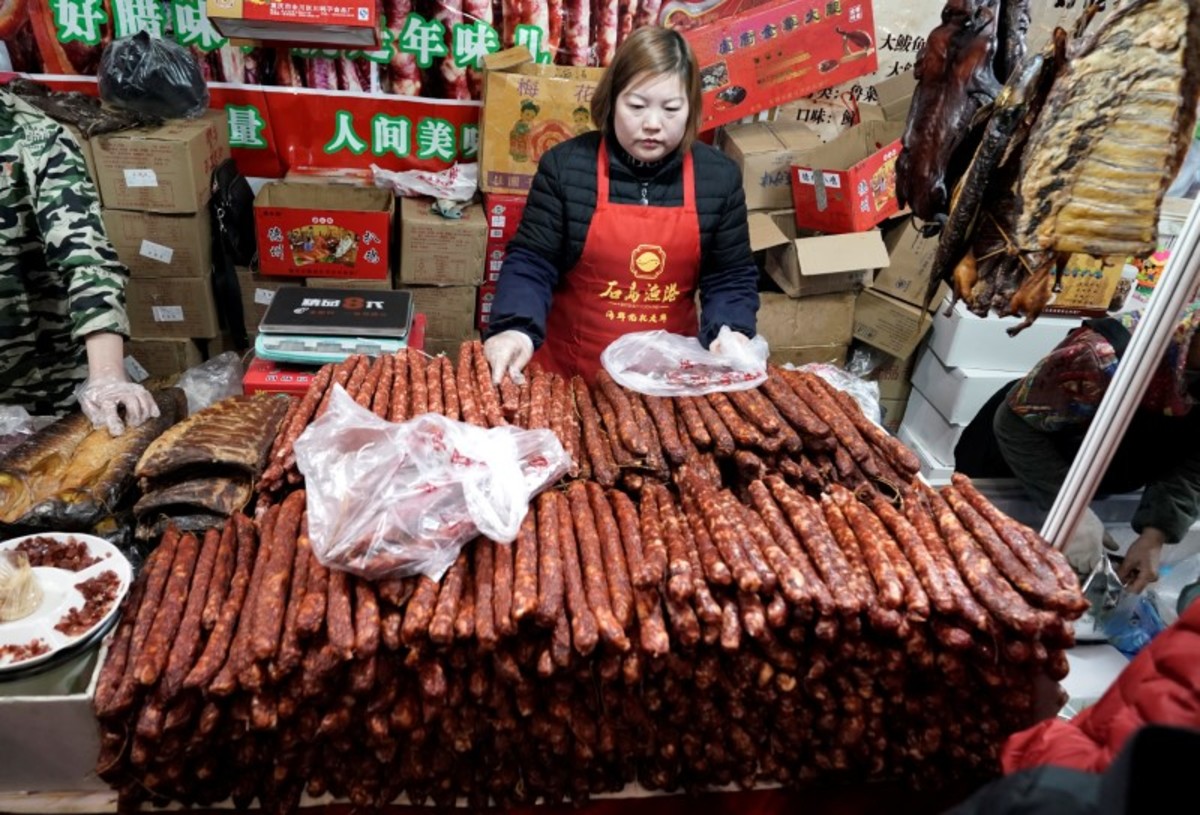
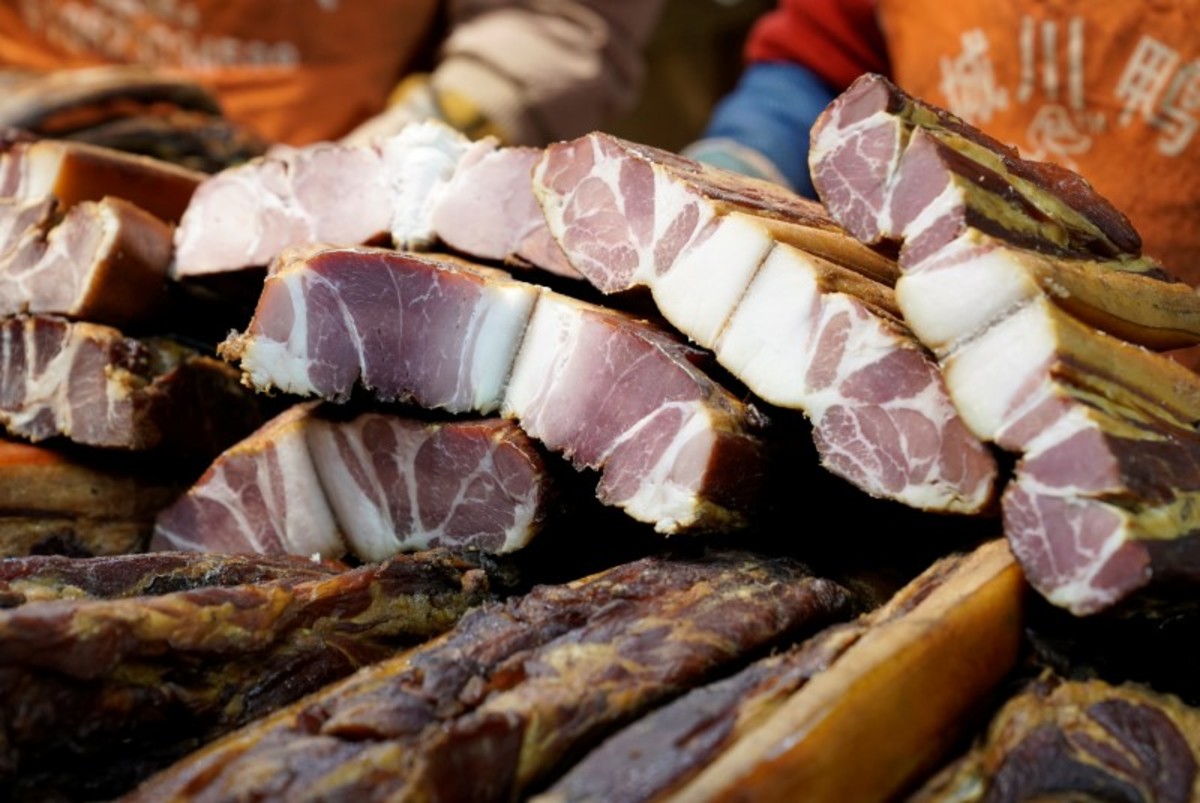
China is the world's top pork consumer and la rou and dried sausage are eaten all over the country. Typically made during winter ahead of the Lunar New Year, strips of pork belly and leg meat are salted or smoked before being left to hang in the sun for days, resulting in dark, hard, salty or spicy meat.
Pork production fell 21% last year, official data showed on Friday. That followed the agriculture ministry reporting the national pig herd shrank more than 40% by October. Pork prices have tripled from a year ago because of the shortage, and the resulting higher food costs have spiked inflation to an eight-year high.
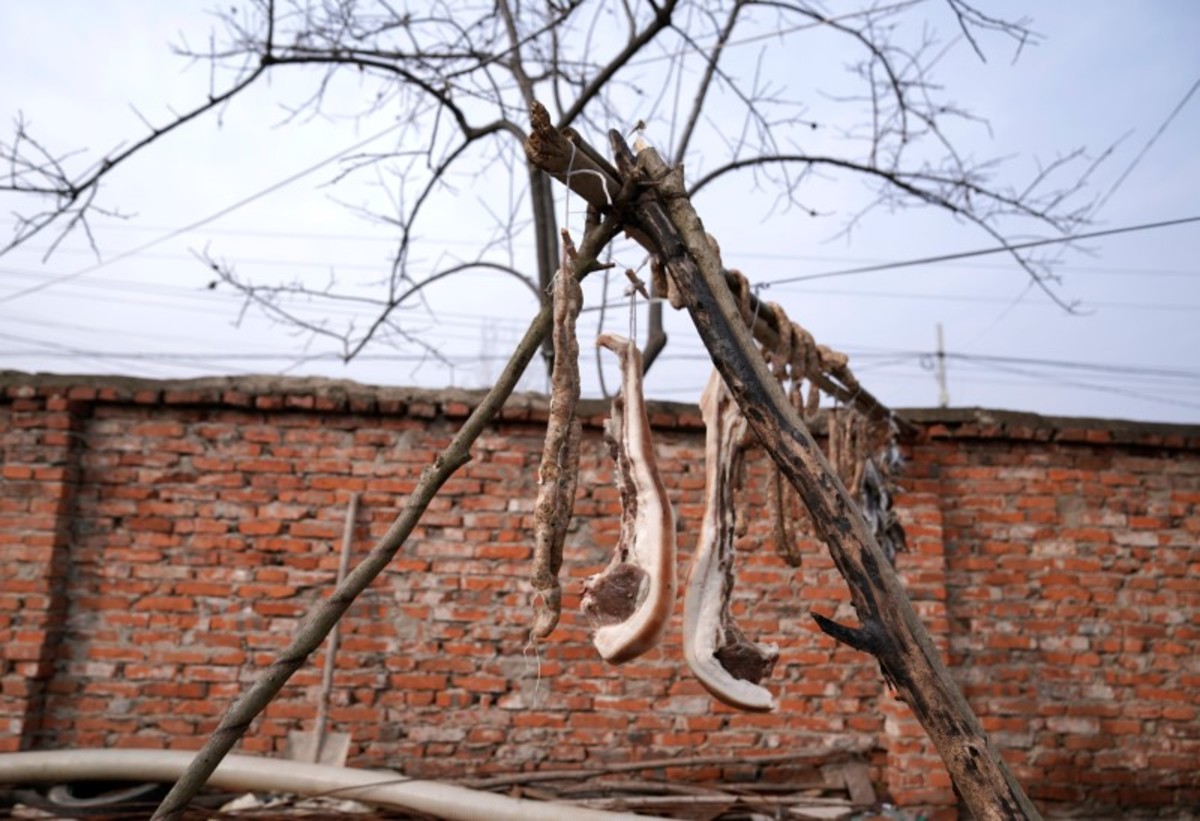
"Every year I make a lot, but this year I just did a little," said Xu, who added even that small amount cost her 300 yuan ($43.67). "Pork just costs too much. People can't bear the price."
(GRAPHIC: Pork production by top producers 1990 - present - https://fingfx.thomsonreuters.com/gfx/ce/7/5020/5006/TopPorkProducersJuly2019.png)
China's government has released more than 200,000 tonnes of frozen pork since December to boost supplies ahead of the country's most important national holiday that begins on Jan. 24. It also imported a record 375,000 tonnes of pork last month.
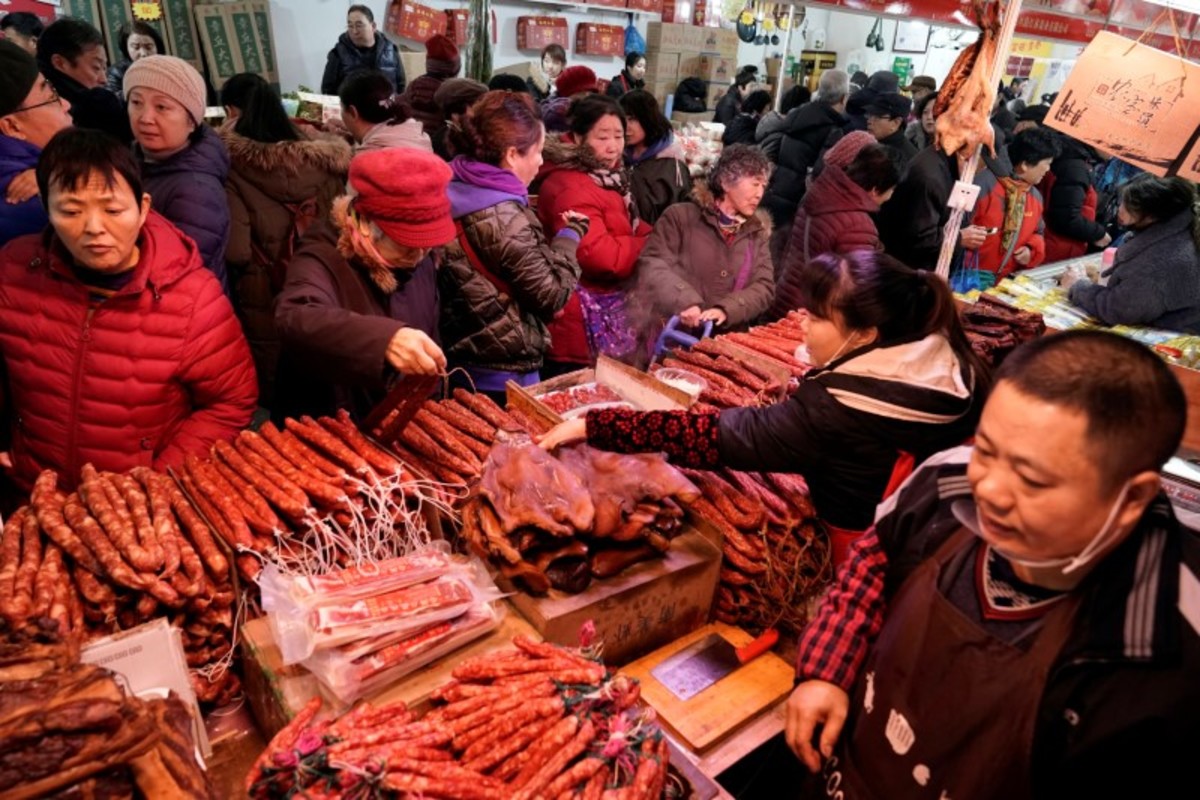
Traditionally, la rou and sausages are made at home, but as urban migration rises artisanal markets selling home-style meats have popped up in most cities.
(GRAPHIC: China's pork imports - https://fingfx.thomsonreuters.com/gfx/ce/7/8054/8036/ChinaPorkImportsThru20109.png)
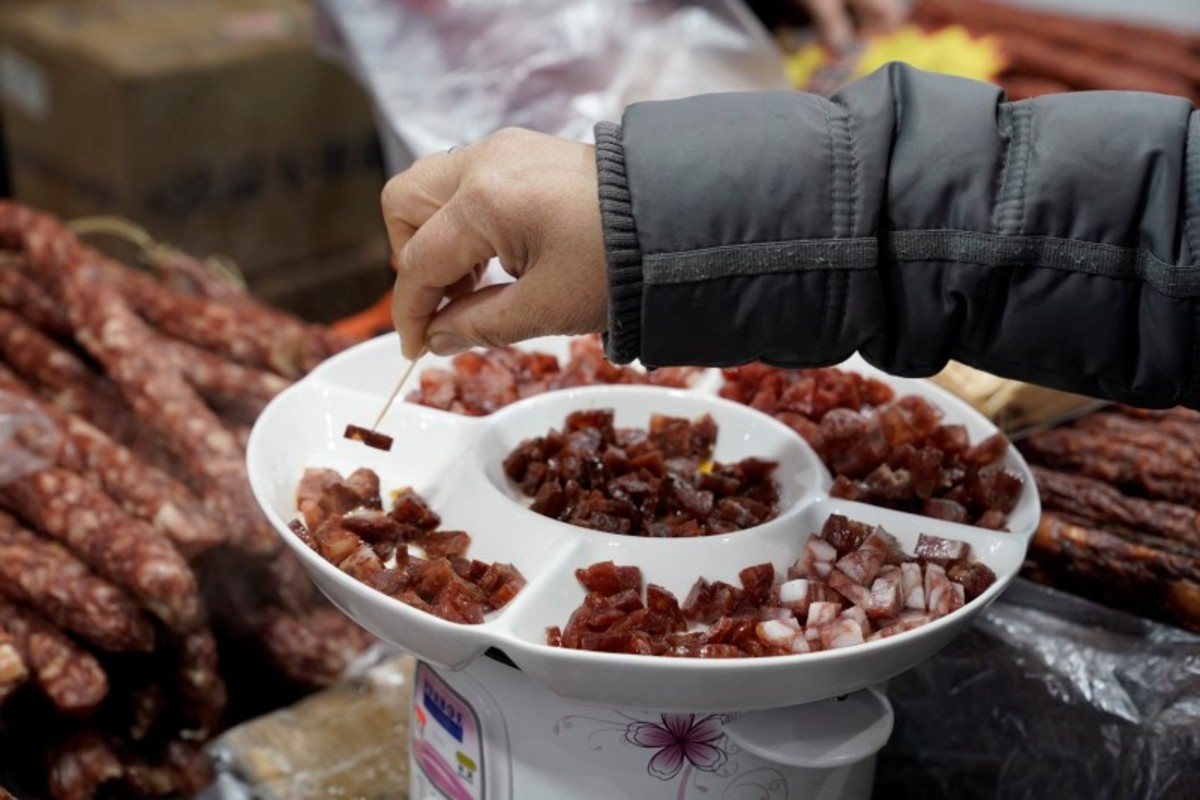
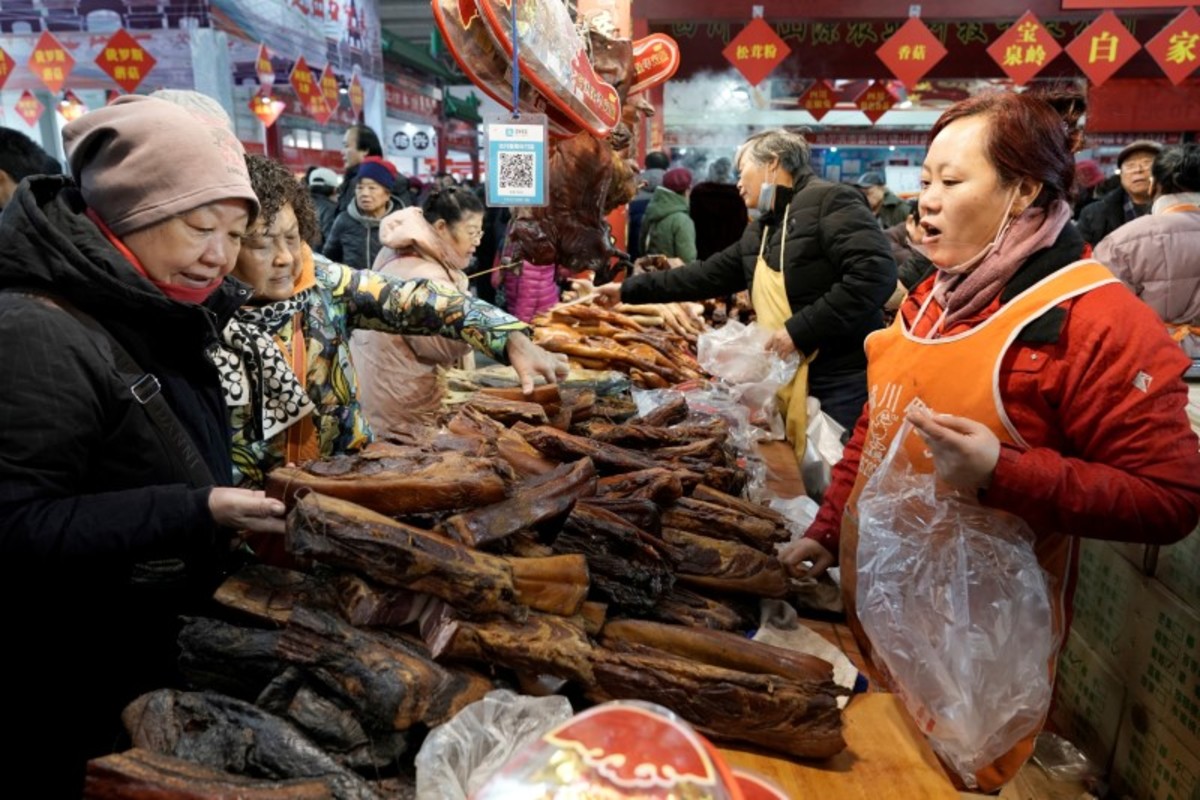
But this festive season, la rou sellers are reporting slowing sales and fewer customers.
"This year, pork is very expensive so individual customers are buying less (la rou)," said Zhang Sheng, who has sold cured pork in a wet market in Guiyang in the southern province of Guizhou for the past five years.
(GRAPHIC: China's retail and wholesale pork prices since 2017 - https://fingfx.thomsonreuters.com/gfx/editorcharts/CHINA-SWINEFEVER-PORK/0H001QXVXBDK/index.html)
In Shanghai, four la rou makers told Reuters their businesses have taken a hit because of price increases of 20%-30%.
"I imagine many people will be having more chicken and duck this new year," said one of the sellers.
(GRAPHIC: China's regional pork prices since mid-2016 - https://fingfx.thomsonreuters.com/gfx/mkt/13/987/982/Regional%20pork%20prices%20since%20mid-2016.png)
Fears around the safety of pork, which are unfounded since the African swine fever virus only affects pigs, have also pushed people toward other meats.
"I'm afraid because you know this year there were a lot of sick pigs," said Xu. "We don't dare to eat the pork from the supermarket. I haven't bought it once. We'll eat our own ducks."
Chen, a taxi driver from Henan who works in Beijing, said his family would normally make as much as 80 jin, or about 40 kg (88 pounds) of cured pork, but only made about 15 kg this year.
"They made more cured chicken and fish instead."
(This story has been refiled to remove extraneous graphic)
(Reporting by Dominique Patton in Gushi County and Sophie Yu in Beijing, Additional reporting by Emily Chow in Shanghai and Shanghai newsroom; Editing by Shivani Singh and Christian Schmollinger)