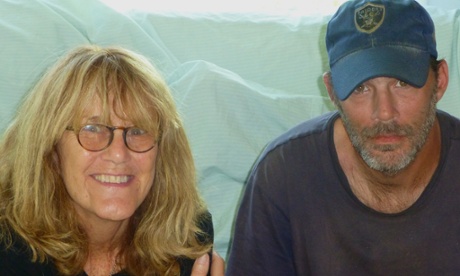
At 16, my son Garin had well-above-average intelligence, good looks and charisma. He was already on the path to his dream of playing drums professionally. But he also had erratic behavior, which I attributed to his escalating drug use. When my husband found Garin in the bathtub with a butcher knife to his neck, we finally realized that he needed help. I felt guilty that I had not recognized his fast-talking manic behavior, grandiosity, hair-trigger rage and lack of ability to manage his life as symptoms of mental illness.
I felt he could no longer pursue his hopes, wishes, dreams and goals, which were the same I had for him. I was devastated.
The fear and anguish surrounding his diagnosis was only the beginning. For years he had punched holes in the walls of our home. One night he even threw chairs and furniture around and threatened to burn down the house. I didn’t dare call the local sheriff, though. With a mother’s intuition I knew that if I did, harm would come to my son.
Garin was hospitalized for two weeks when he was 24 after a suicide attempt, only long enough for him to be medicated. We set him up in a small apartment, but when we went in to check on him a few days later, he was missing.
After three days of calling friends and hospitals fruitlessly, I finally called the local jail, which is where I found him. Garin had flushed his medication down the toilet because of side effects and then eventually started hearing threatening voices coming from his car. He grabbed a metal chair and attempted to destroy it. Neighbors heard the commotion and called the police.
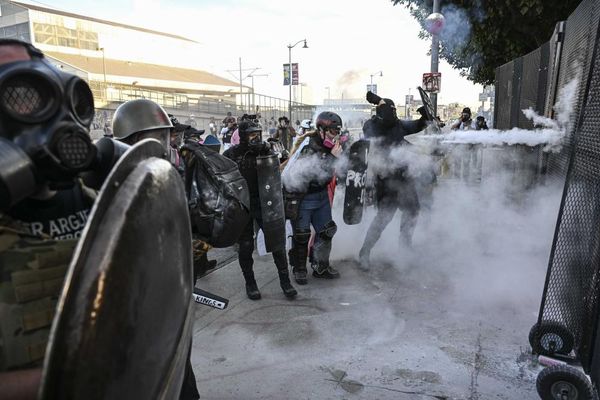
By the time they arrived, Garin was asleep in his bed. Three officers kicked in his door, yelling commands that he could not comprehend, then beat him with batons until both of his arms and upper body were purple with bruises. They were all defensive wounds. My nightmare had come true.
He was charged with resisting arrest – a felony – but the reality was that he was charged with the crime of being ill.
When law enforcement officers are taught certain crisis intervention skills – such as speaking in a natural voice, asking simple questions like “Are you OK?” or “How can I help?” in a non-threatening manner – a baton, Taser or handgun is seldom needed. Compassion and awareness go a long way. It makes sense to deescalate the crisis, not heighten tensions in an already chaotic situation.
Unfortunately, too many times police officers who lack knowledge about mental illness and appropriate skills confront individuals with mental illness with commands that terrify them. The potentially violent encounters – which at best only lead to purple bruises – cause their loved ones to hesitate calling the police when their help is needed. As a mother, I constantly make these risk calculations. I fear for my son when his symptoms escalate, but I am also afraid of how police may respond.
My son is not an exception. One out of every five households has a family member who struggles with some kind of mental illness. Every week, beloved children, parents and spouses lose their lives when our mental health system fails to serve people and we ask police to resolve these crises. Broad reforms are needed to protect individuals with mental illness from being harmed by law enforcement officials. The place to start is by giving police appropriate, compassionate crisis intervention training so that all of us, police included, can let go of fear.
I know that it is possible.
Once, when Garin was homeless and living on the streets, an attentive sergeant who was part of the police department’s homeless outreach team, called to say she believed Garin had a mood disorder and needed help. We met with Garin the next day, but he was not ready to acknowledge his illness and there was nothing we could do. Sergeant Chick promised to keep an eye on him and to pass the word to other officers.
That’s how it’s supposed to work. Well-trained officers who are not afraid to show their humanity can recognize behavior characteristic of mental illness, and approach the individual with compassion – in a crisis or otherwise. This astute police woman simply observed my son’s behavior, engaged him in a friendly conversation and asked his name and who his parents were. I wish more police officers were like her.