In Garmisch-Partenkirchen they are battening down the hatches. Many restaurants and shops in this Alpine idyll have closed their doors and boarded their windows, the fear of what the coming days might hold greater than any sense of opportunity their owners might have to make money out of the thousands of anti-globalisation protesters, journalists and security guards who will descend on this Bavarian rural community over the coming days for the G7.
While Garmisch-Partenkirchen is used to holding world ski-jumping championships, this is its first international economic summit.
About 12 miles away, nestled high in the Alps is Schloss Elmau – described in its promotional brochure as a “luxury retreat and cultural hideaway” where the weekend rate for rooms is usually €4,000 (£2,900) – which will play host to the world leaders.
Down in the foothills of the Loisach valley, they are flabbergasted by what the locals repeatedly refer to as the brimborium – all the rigmarole and extravagance. They talk of the roads that have been resurfaced, the bridge that has been reinforced – reportedly so that it can bear the weight of Obama’s armoured car, “the Beast” – as well as the helipad that has been built to take six helicopters at one time, the laying down of new cables for water, electricity and broadband because summit regulation states there should be two of each in the event of an emergency.
“It is sheer craziness,” says Tessy Lödermann, who runs a local animal sanctuary. She said the entire community was astounded a few months ago to hear Angela Merkel announce that the summit of world leaders would meet in their narrow valley.
Garmisch-Partenkirchen has been spruced up for the event, with everything from renovated railway platforms and roads to new fire engines for the five communities closest to the Schloss.
For days now the manhole covers have been sealed. Locals are controlled by police wherever they go and have been told to remove any flower boxes or woodpiles that are out on the street. There’s a virtual ban on hiking in the local forests, and hang-gliding. Indeed, flying of any kind – of private planes, kites, helium balloons or drones – is strictly forbidden.
Police thinly disguised as hikers have been patrolling the forests for months, habitually stopping mountain bikers and ramblers and asking for their ID, while the local ice-skating rink has been commandeered as the press centre for the 5,000 accredited reporters. Garmisch-Partenkirchners are decidedly annoyed.
“Locals have joked that this was Merkel’s revenge for the fact that our farmers voted against hosting the 2018 Winter Olympics here, saying they would block their land,” Lödermann says. “I know it’s rubbish, but it’s what people are saying.”
The biggest gripe among the 26,000 locals has been the proposal to site a protest camp on a meadow provided by a local tavern owner.
Towards the end of the 16th century, Garmisch-Partenkirchen either garrotted or burned at the stake more than 10% of its own population, mainly as a punishment for crop failure or disease. So it was perhaps little of a surprise when at one recent town hall meeting, farmers threatened to odeln – or spread liquid manure – on the fields if the camp was allowed, openly expressing their fear that protesters might set fire to their haystacks.
Last week, authorities banned the camp, citing the difficulties they would have rescuing demonstrators in case of flooding. Protest groups and opposition politicians accused the authorities of crying wolf, seeing it as a desperate ruse by scared local leaders to keep the demonstrators out. A Munich court lifted the ban with just days to go, amid fears the ruling might exacerbate protesters’ already pent-up anger, and by Friday morning, about 600 demonstrators had already pitched their tents.
In return for permission to camp there, protesters have to agree to abide by a set of rules, including to not drink spirits and to recycle their rubbish. Weapons or anything that might be used as a weapon will not be allowed on site.
Benjamin Ruß, of the protest alliance group Stop G7 Elmau, described the scene as calm and the mood good. “The infrastructure is in place, the Alpine panorama is amazing,” he said. And despite resistance shown by some residents, others “have been providing us with donations of food and money”, he said.
Thousands of anti-poverty campaigners from around the world are expected to gather in Munich on Saturday for a jamboree of music and entertainment organised by ONE and Global Citizen. Under the banner United Against Poverty, they will hope to impress upon G7 leaders the importance of putting poverty at the centre of their discussions.
Among several protests planned in Garmisch-Partenkirchen is a march up to Schloss Elmau, though seven-metre-high chicken coop wire has been wrapped around the forests surrounding the castle. The 17,000 police guarding the area, some on horseback, are likely to stop protesters from getting close.
While most protest groups have ruled out violence, police have warned that some groups at the centre of rioting that took place at the March opening of the new European Central Bank headquarters in Frankfurt, will be present, so anything is possible.
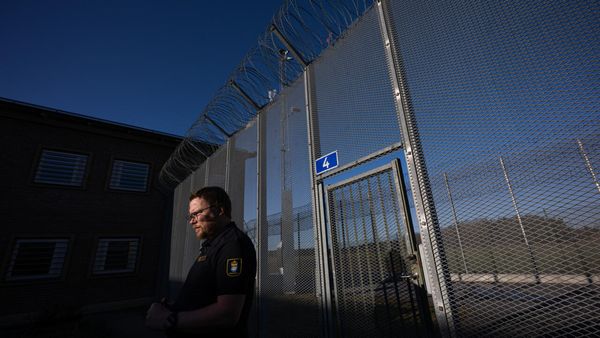
Metal shipping-style containers that have been hired from France, the Czech Republic and Austria, have been turned into makeshift prisons that can hold up to 200 protesters, according to the police. A guided tour around one last week revealed carpeted floors, a playroom for children, as well as the plan to provide a welcome gift of a free chocolate bar to anyone who ends up in a cell. Hundreds of prosecutors and lawyers will also be on hand.
Locals say although attempts have been made by police and politicians to put them at their ease, they are still ready to take control if they feel in any way threatened, and have made sure the protesters know that they have supplies of manure at the ready.