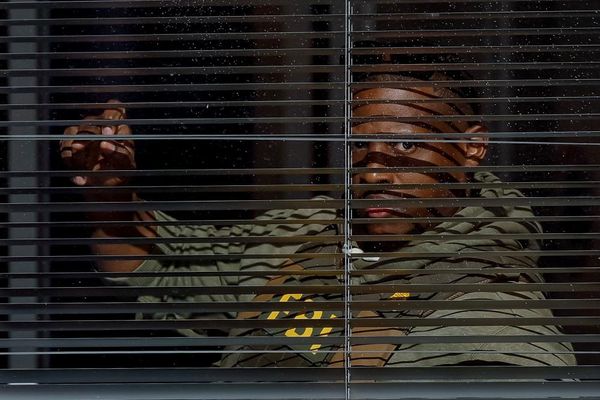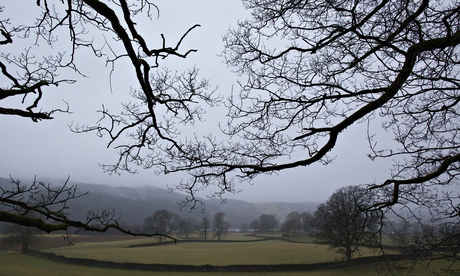
“No sun – no moon!/ No morn – no noon –/ No dawn – no dusk – no proper time of day./ No warmth, no cheerfulness, no healthful ease,/ No comfortable feel in any member –/ No shade, no shine, no butterflies, no bees,/ No fruits, no flowers, no leaves, no birds! –/ November!”
So wrote British poet Thomas Hood in 1844, and today many of us still share his sentiments about this gloomy month. But it turns out that the November Hood wrote about was very different to the November we experience today.
The Central England temperature record (originally published by Professor Gordon Manley in 1953) is an unblemished record of temperature for the Midlands region, stretching from 1659 to the present day. The average November temperature over the entire time period is 6.0°C. However, if the 20th century is taken in isolation the average November temperature rises to 6.5°C. Meanwhile, the Novembers of the 21st century average a balmy 7.4°C.
And then we come to the rain. November is a relatively wet month and the average November rainfall for England and Wales for the period 1766 to 2013 is 93.7mm. But Hood’s experience of the month tended to be drier, with averages in the 70s and 80s, while 21st-century Novembers are averaging the upper 90s, thanks to a recent spate of soggy ones.
So it seems that Hood’s experience was generally colder and drier than the Novembers of today. But the shortening days, bare branches and lack of wildlife remain the same; and, for many, Hood’s poem still rings true.