Pop music has always come packaged in image, like a brilliant gift given extra fabulousness by its sparkly wrapping paper. You can’t really have one without the other: even a non-image image in music has significance. Indie bands dress down – don’t even run a comb through their hair, to the horror of nanas everywhere – to show their anti-corporate nonchalance. Serious songwriters are never pictured without a guitar within reach, as if it’s their emergency medication. Or think of the fuss made at the last Brits when Kanye surrounded himself with grime stars dressed in black hoodies. It was too scary for an anonymously clothed black man to turn up on stage with others who looked like him. Why hadn’t he employed some dancing women in diamante to wrap around his rap? Where was the cabaret?
Because pop tends to be consumed in short bursts – four-minute songs – it has to make an impact. Every mainstream musician, from the Beatles onwards, has always known this. Image helps, and now that most people have smartphones, so do pop videos. The fuss generated by Taylor Swift’s really quite unshocking clip for Bad Blood and Rihanna’s really quite horrible one for Bitch Better Have My Money wasn’t just made up by the media. These videos have a cultural significance, simply because so many people watch them (so far, more than 500m for Bad Blood and around 43m for the Rihanna offering, despite coming with a warning for its explicitness). They are a talking point, a topical reference. And, in pop, they’re vital.
There was a short moment, around 2006, when MTV had become a reality TV channel, when Top of the Pops was dead and phones weren’t up to streaming YouTube, when the image of a pop star was harder to discern. Now, if you want to see who is singing that track you can’t get out of your head, you can find out while you’re waiting for the bus. No wonder when Beyoncé brought out her surprise album at the end of 2013, she accompanied it with a video for every single track, plus a few bonus extra clips. She knew.
Photography and pop is at an interesting moment, too: Instagram means that popstars – who are massive showoffs – can snap a pic and show us what they are up to whenever they feel the urge (which is often). Some take this more seriously than others.
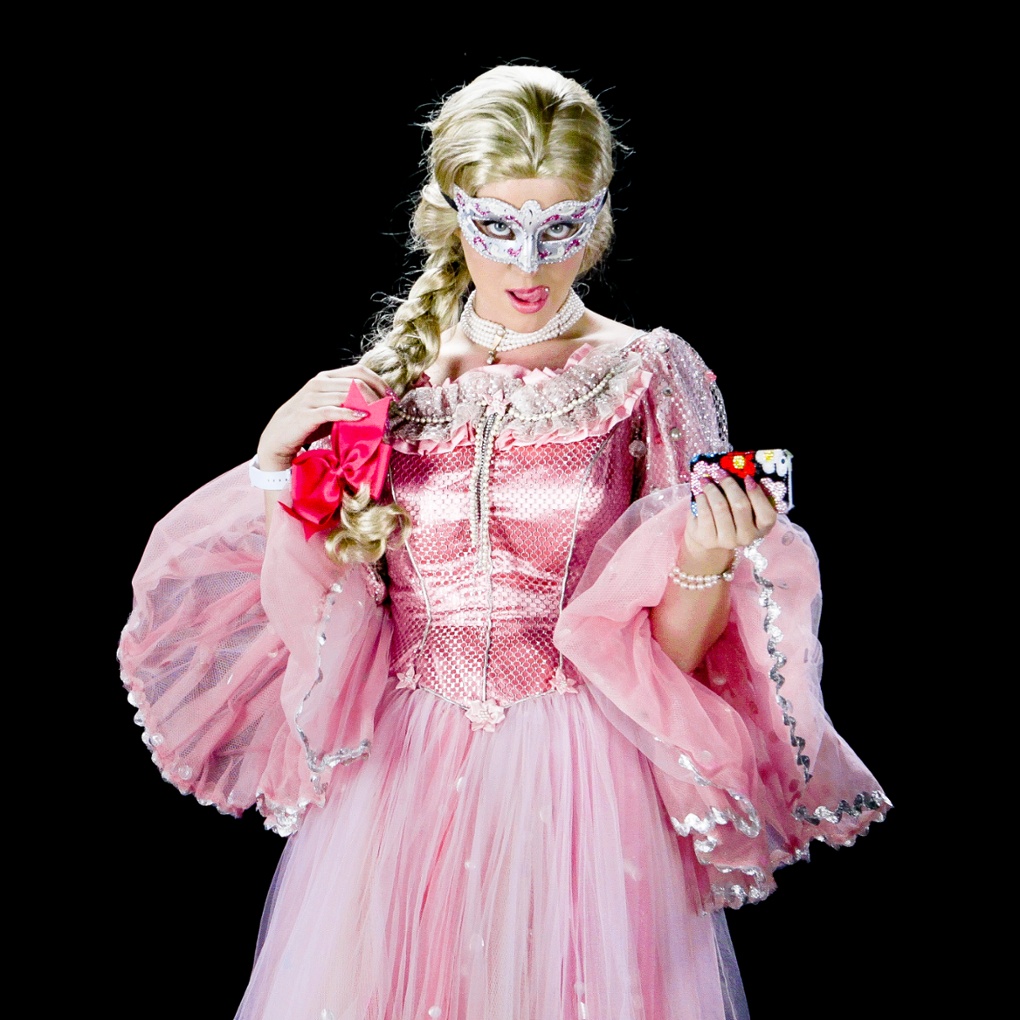
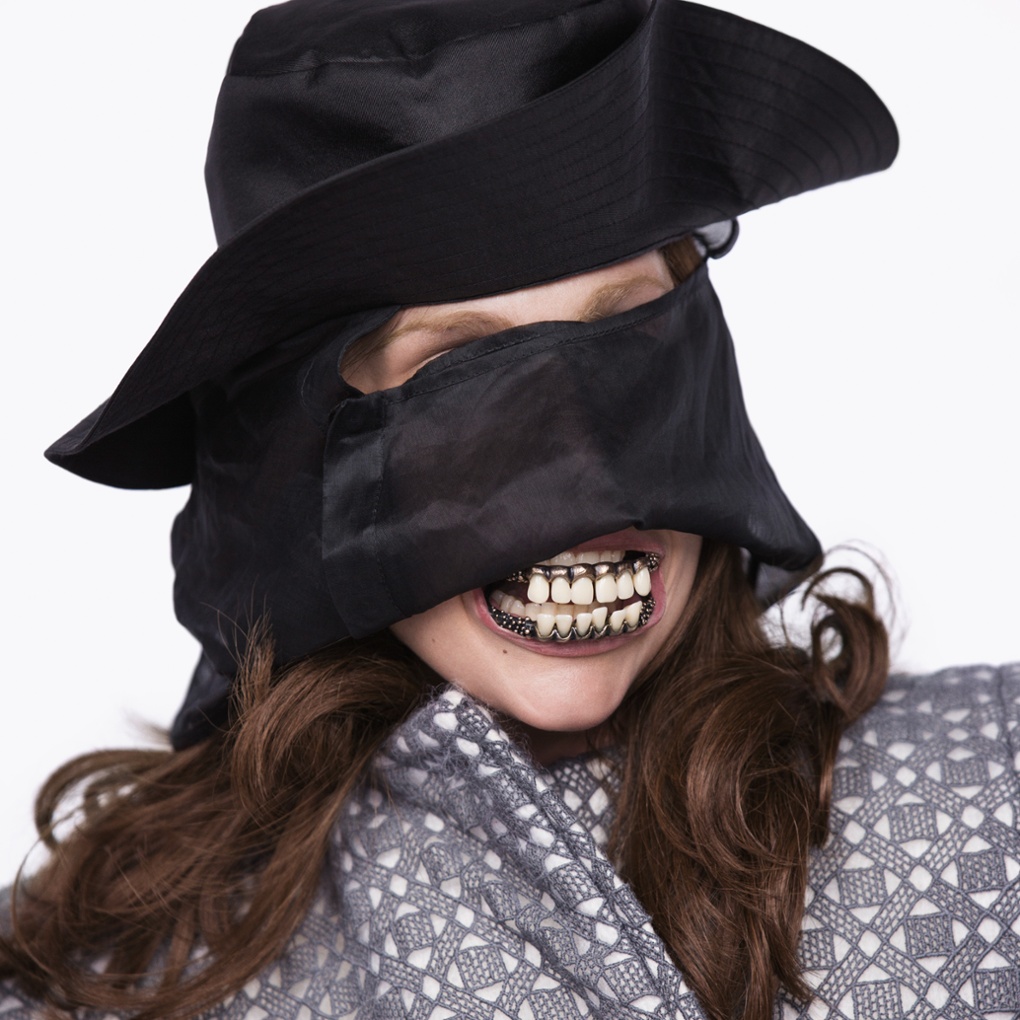
Miley Cyrus, like every other 22-year-old, has a tendency to post pictures of her kitten, as well as her sillier outfits. FKA Twigs’s feed is like a fine art/photography thread, featuring just one subject. Katy Perry takes more of an interest in contemporary art than you might imagine. She is featured in the Photographers’ Gallery current show, We Want More, as is Lady Gaga. Perry is unrecognisable in a series of Cindy Sherman-type shots, where she is disguised as various off-beam characters, including a rude clown and an elderly go-go dancer. Gaga is pictured with her eyes covered and sporting terrible teeth, which may well be a prosecutable offence in the US. I once interviewed Lady Gaga for the BBC’s Culture Show. During the filmed interview, she was deliberately glacial and distant (she stopped talking at one point and froze for over 30 seconds); immediately afterwards, she perked up and chatted like a warm human being. And a few minutes later she walked out to meet her fans: in bare feet, moving slowly, a single tear running down her cheeks. Gaga is a woman who understands that image is all.
Her fans, like all pop fans – all people – know the power of a strong image. Those of us who were brought up in the 80s had the fun of witnessing what the tabloids liked to call “gender-bending”: Annie Lennox, in peroxide suede head, suiting up as the masculine woman; Boy George, flowing robes and white dreads, the feminine man; Prince, Michael Jackson and Madonna flirting and flouncing somewhere on the spectrum in between. And Grace Jones out-imaging all of them by appearing to be a real life, punchy, space-robot Amazon.
Pop can be a very rule-bound medium – it is mass market, it appeals to children, it is commercially driven – but those 80s stars played with the available stereotypes. They got their outsider ideas into everyday life because they made the biggest-selling records. Not as easy as we like to think.
• Miranda Sawyer is a panellist on Girls Rule The World: Visual Pleasure, Sexual Politics and Pop Imagery, at the Photographer’s Gallery on Monday 14 September, as part of its We Want More exhibition