Private tuition centres shut for the first time in South Korea's capital on Monday and traffic was light on the first working day of tighter social-distancing rules aimed at halting a second wave of novel coronavirus infections.
South Korea took the unprecedented step on Friday of restricting the operation of restaurants, coffee shops and so-called cram schools in the greater Seoul area, with churches, nightclubs and most public schools having already closed.
The decision came after earlier restrictions on movement failed to prevent a wave of coronavirus clusters erupting at churches, offices, nursing homes and medical facilities.
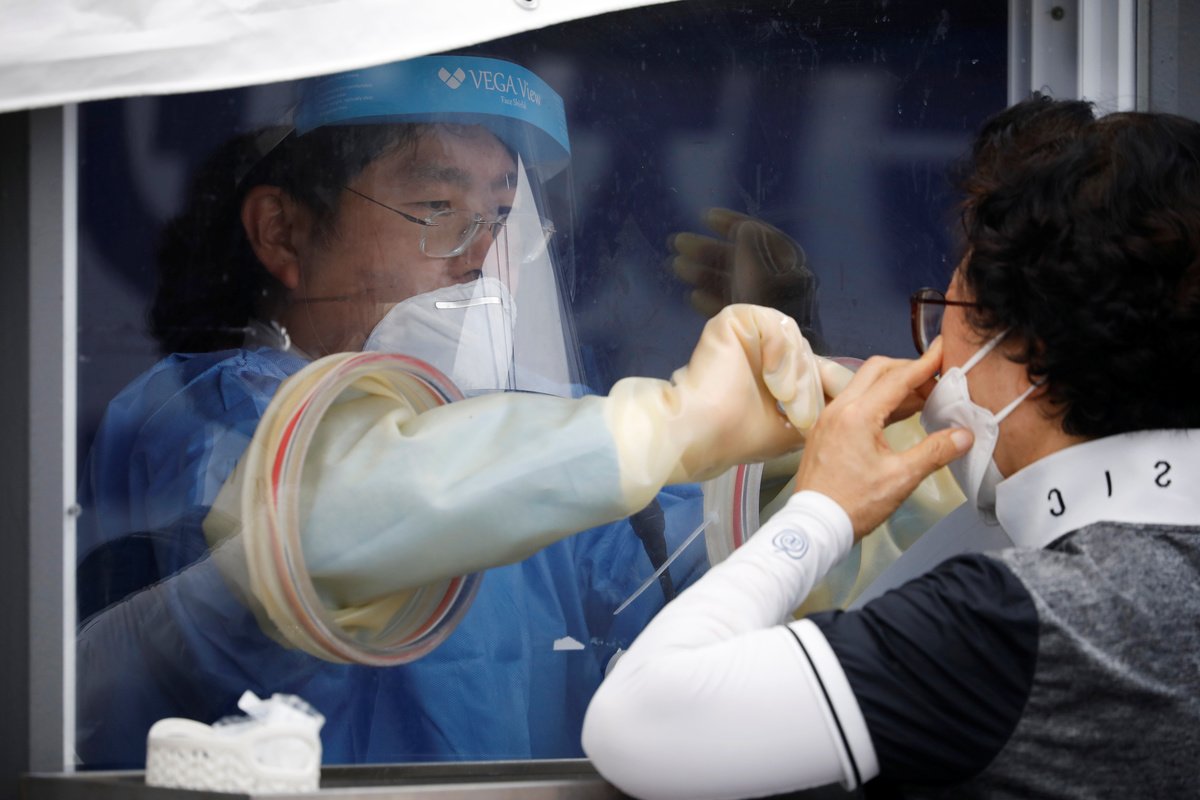
The Korea Centers for Disease Control and Prevention (KCDC) reported 238 new cases as of midnight on Sunday, mostly in Seoul and surrounding regions, the 18th day of triple-digit rises in daily infections.
"How thoroughly we implement social distancing this week will be extremely important in our efforts to sever the links of infections and control the spread," KCDC director Jeong Eun-kyeong told a briefing.
South Korea has reported a total of 19,947 infections and 324 deaths from COVID-19, the respiratory disease caused by the coronavirus.
Fewer cars and people were on Seoul's streets during the morning rush hours as companies encouraged employees to work from home.
The government has cut staffing at offices, while many corporations, including tech giants Samsung Electronics <005930.KS>, LG <066570.KS> and SK Hynix <000660.KS>, have expanded or reinstated work-from-home policies.
"The company allowed it for the first time because the number of cases continued to surge," said manufacturing company staffer Oh Yun-mi, 36, who was working from home for the first time.
SCHOOL'S OUT
Private after-school tuition academies, which operated as usual in March during South Korea's first wave of coronavirus infections, were shuttered.
There are 25,000 cram schools in Seoul and nationally three out of four children - from grades 1 to 12 - attend such classes in the hope of improving their prospects in a notoriously competitive education system.
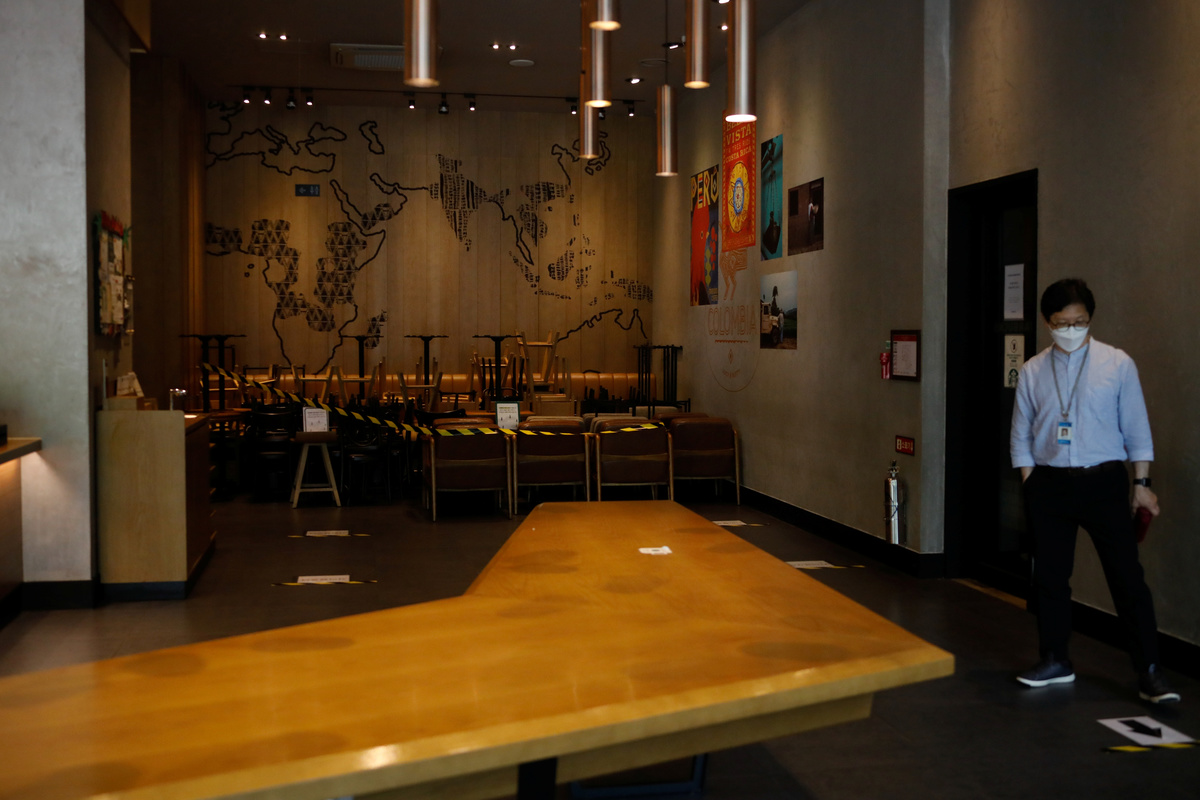
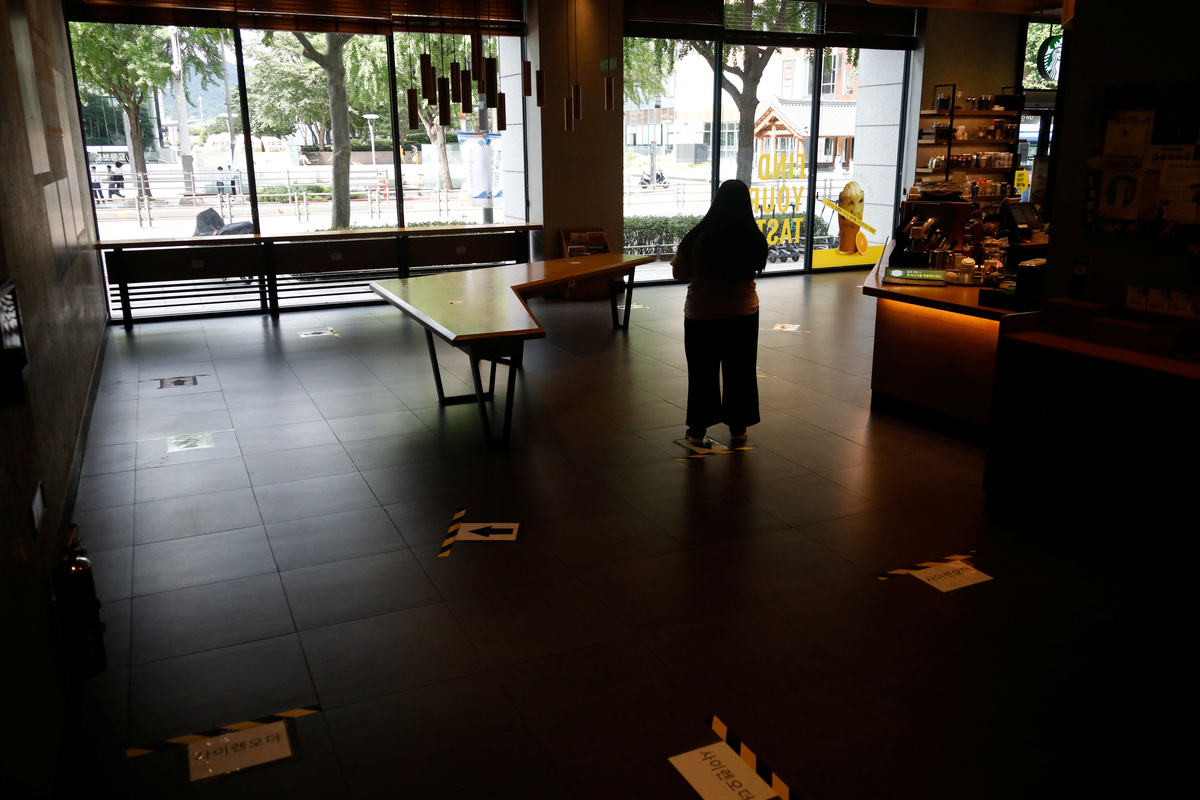
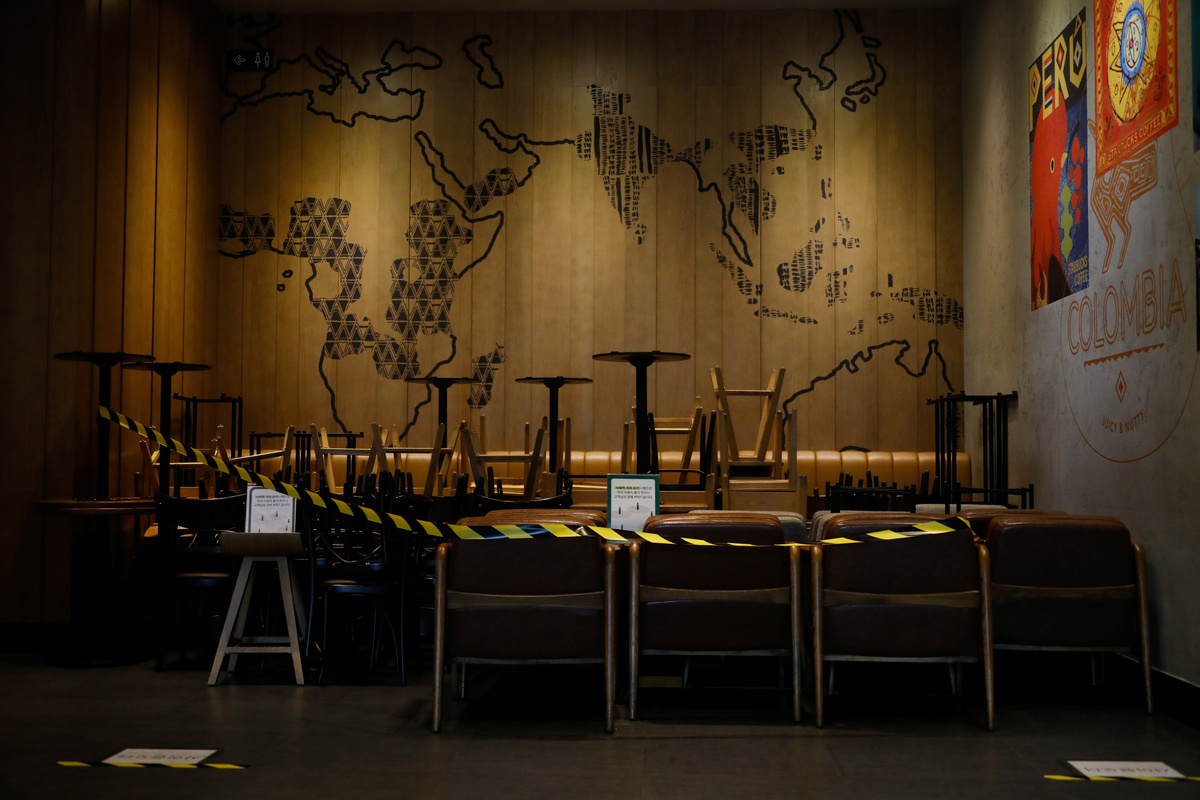
Onsite dining at restaurants, pubs and bakeries in the Seoul area is banned after 9 p.m. until Sunday, while coffee shops, including Starbucks <SBUX.O>, are restricted to takeout and delivery.
More than 60 coronavirus cases have been tracked back to a Starbucks outlet in Paju, just north of Seoul.
Health ministry official Yoon Tae-ho said it was hoped the latest restrictions would bring a decline in new daily infection numbers, cases of unknown origin and clusters of infections by the end of the week.
The infections have fuelled concern about a shortage of hospital beds and they come as almost 16,000 intern and resident doctors are on strike over government plans to boost the number of doctors to better handle health crises like the coronavirus.
The health ministry on Monday postponed a medical license exam set for Tuesday to next week after more than 90% of medical students due to take the test withdrew and joined the walkout.
President Moon Jae-in has urged the doctors to return to work.
The student and trainee doctors said the government's plans would flood an already competitive market and trainees' salaries should be improved to alleviate a shortage of doctors in rural areas.
(Reporting by Hyonhee Shin; Additional reporting by Soohyun Mah and Daewoung Kim; Editing by Stephen Coates, Robert Birsel)