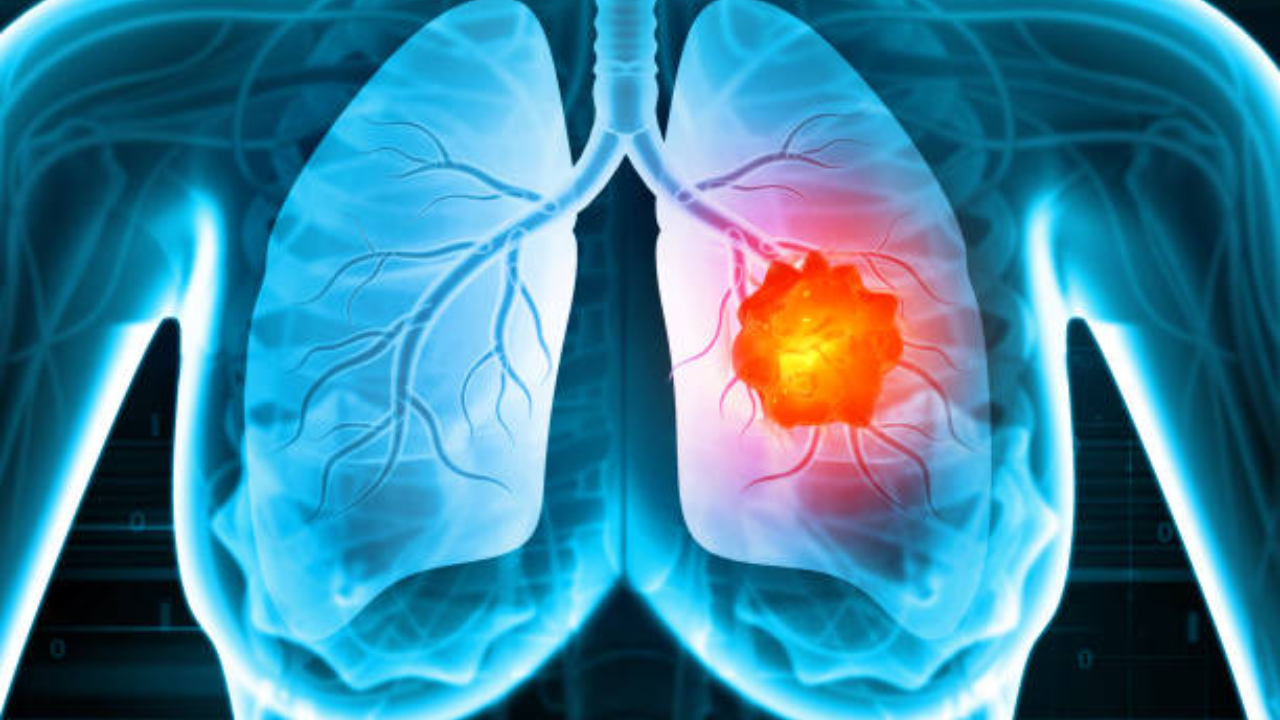
Lung cancer is often associated with a persistent cough, but many other signs can indicate this serious condition, even without coughing. This article sheds light on some lesser-known symptoms that could be warning signs of lung cancer.
Constant, unintentional weight loss in the past 6 months
One of the earliest and most concerning signs of lung cancer can be a constant, unintentional weight loss over six months. If you find yourself losing weight without trying, it’s crucial to consult a doctor. This symptom is often overlooked as it can be attributed to other health conditions or lifestyle changes. In the context of lung cancer, weight loss occurs because the body's metabolism is altered by the presence of cancer cells.
Loss of appetite
A sudden loss of appetite might also signal underlying health issues, including lung cancer. When cancer cells spread, they can interfere with the body's ability to absorb nutrients, leading to a decrease in appetite. This can further exacerbate weight loss and contribute to weakness and fatigue. If you notice a significant change in your eating habits without an obvious cause, it’s important to seek help from a doctor.
Change in the voice (stridor)
A noticeable change in your voice, such as hoarseness or stridor (a high-pitched wheezing sound), can be an indicator of lung cancer. This symptom arises when tumors press on nerves affecting the vocal cords. Stridor, in particular, occurs when the airway is partially obstructed, which can be due to a tumor in the upper part of the lung or near the trachea. Persistent changes in your voice should be checked by a doctor.
Recent non-traumatic bone/vertebral fractures
Recent, non-traumatic bone or vertebral fractures should not be ignored. These could indicate cancer that has spread to the bones, known as metastatic lung cancer. Cancer cells can weaken bones, making them more susceptible to fractures even with minimal impact. If you suffer a fracture without a significant injury or experience persistent bone pain, it’s essential to discuss these symptoms with your doctor.
Blood in the sputum and blood in vomitus
Blood in sputum or vomitus is a significant warning sign and should prompt immediate medical attention. Hemoptysis, or coughing up blood, is a common symptom of lung cancer and can indicate the presence of tumors in the airways. Similarly, vomiting blood can occur if cancer has spread to the esophagus or stomach. Both symptoms are serious and require prompt evaluation.
Any kind of neuropathy and pain in the extremities
Experiencing any form of neuropathy (nerve damage) or pain in the extremities can be linked to lung cancer. These symptoms occur when the cancer impacts nerves, leading to tingling, numbness, or weakness. Paraneoplastic syndromes, which are rare disorders triggered by the immune system’s response to a tumor, can also cause neuropathy. If you experience unexplained nerve pain or weakness, particularly in the hands or feet, it’s important to seek medical evaluation.
Tightness in the chest and shortness of breath
Tightness in the chest and shortness of breath are common indicators of lung cancer. These symptoms might be accompanied by wheezing and a sense of suffocation. Shortness of breath can result from a tumor obstructing the airways, fluid accumulation around the lungs (pleural effusion), or the spread of cancer within the lungs. These symptoms should be promptly evaluated by a medical professional to determine their cause and appropriate treatment.
Conclusion
While a persistent cough is a well-known sign of lung cancer, many other symptoms warrant attention. Doctors emphasize the importance of being aware of these signs and seeking timely medical advice. Early detection is crucial for effective treatment and better outcomes in lung cancer.
If you or someone you know is experiencing any of these symptoms, consult a doctor to rule out or confirm the presence of lung cancer. By staying vigilant and proactive about unusual health changes, it is possible to catch lung cancer in its earlier, more treatable stages.