CURRENT treatments for prostate cancer can sometimes affect one's ability to enjoy one of life's great pleasures, but a research trial in the Hunter aims to limit the impact on sexual function while still saving lives.
The NINJA Trial is looking to see whether targeted, high dose radiotherapy can deliver better results with less treatments and fewer side effects.
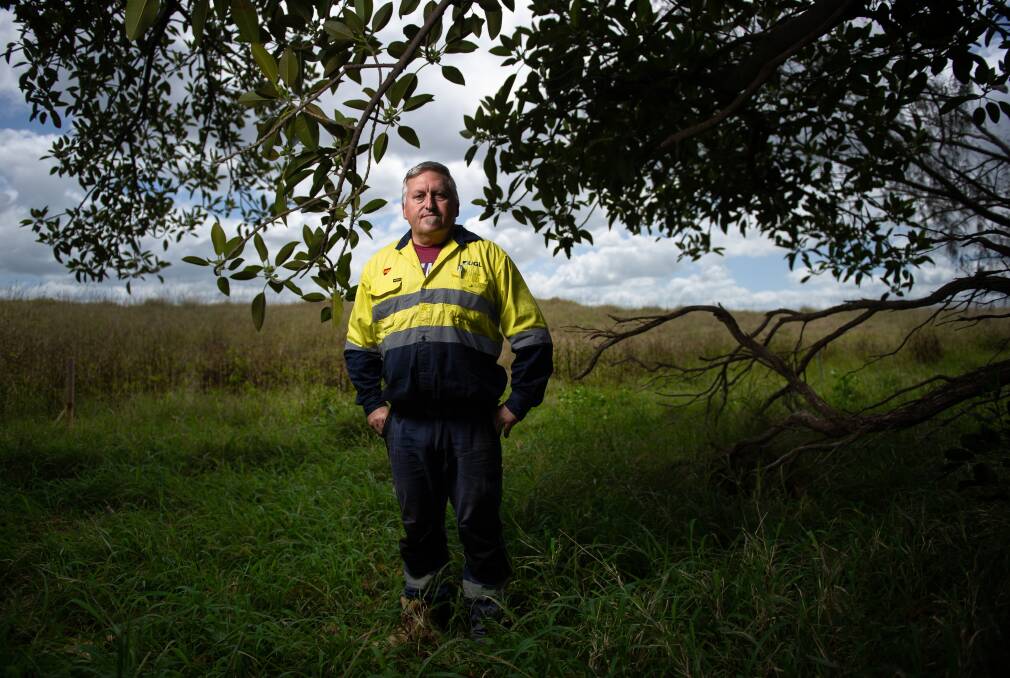
Mark Mitchell, of Dungog, said he was presented with two treatment options when he was diagnosed with prostate cancer.
Surgery, or radiation.
The 56-year-old knew of friends and family who had undergone the "radical operation" to remove the prostate who were still living with some negative side effects.
"They have had heaps of trouble with different things like leakage, and no erections - a lot of things that can affect your quality of life," Mr Mitchell said. "But the bottom line is, you want to live - you just want to get rid of the cancer."
On the advice of both surgical and radiation specialists, Mr Mitchell chose to have radiotherapy, and soon discovered he qualified for the NINJA Trial.
"So that's the way I went, and I'm pretty happy that I did," he said.
It meant he only needed six trips to the Calvary Mater for treatment in total, rather than about 20.
Almost 18 months on, things are still looking up.
"Provided I don't get it back, of course, but at this stage, everything works great and with minimal discomfort," he said.
Dr Yuvnik Trada, a radiation oncologist at the Calvary Mater, said the trial compared two emerging, potentially practice-changing radiotherapy schedules for prostate cancer.
"The usual treatment for radiotherapy currently is 20 or 39 treatments, and this trial is comparing two shorter forms of stereotactic radiotherapy.
"This next step is to see whether we can make it even more convenient and treat patients over five treatments, or 13 treatments."
Dr Trada said they were using the latest technology to monitor the prostate movement by taking multiple X-rays "every 15 seconds or so" for effective, targeted treatment.
"It means you can deliver high doses of radiotherapy safely while trying to minimise the dose to the adjacent structures and organs," he said.
"And one of those structures are the nerves around the prostate, and they are effectively responsible for sexual function."
Dr Trada said squeezing the radiation doses into five treatments had been well received and well tolerated by patients.
He said so far, participants had recovered well.
To find out more about the study, visit Trog.com.au.
READ ALSO