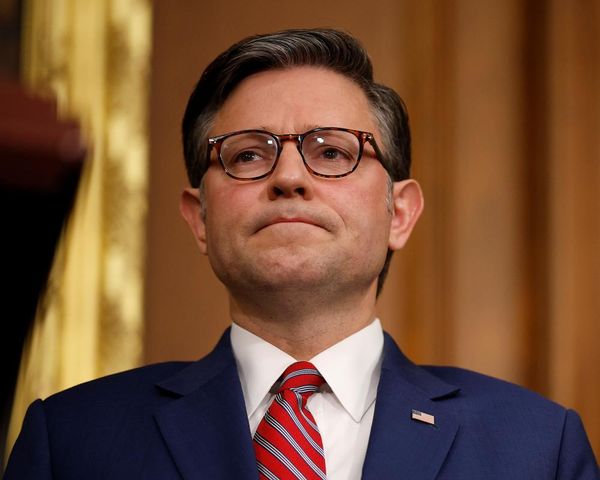
Earlier this week came news that the former top editor of The Hollywood Reporter is launching a digital media startup alongside four other founders, all of whom are white. Only one is a woman.
That should give anyone pause. Getting established media outlets to make substantial diversity inroads is hard enough. Why start a publication from scratch and build in the very same structural issues that have plagued journalism from the beginning?
Consider the recent criticism aimed at the Hollywood Foreign Press Association, which is the organization behind the Golden Globes. An investigation by the Los Angeles Times found not only ongoing accusations of corruption, but the complete absence of any Black members. A kaleidoscope of Hollywood players — including Netflix, Amazon, WarnerMedia and a consortium of publicists — expressed enough concerns about the HFPA’s commitment to change that NBC has decided not to air next year’s Golden Globes awards broadcast.
But the HFPA isn’t the only “organization or studio with known issues of gatekeeping and excluding Black journalists,” TV and film critic Sharronda Williams pointed out on Twitter shortly after the announcement. “So when the industry is ready to have an open and honest conversation surrounding gatekeeping and the continued exclusion of Black journalists, we are all here waiting with receipts.”
If you believe diversity matters when it comes to who’s making the content we watch, then it’s just as important when it comes to who gets to write about and analyze these stories on our screens.
Some facts: The majority of people employed in staff positions covering Hollywood are white and male, according to a 2018 study that found 82% of reviews were written by white critics and nearly 78% were written by men. For more than a decade, the Tribune has had zero people of color on staff as entertainment critics.
As a result, most journalists of color who focus on TV and film are freelance. Not only is that often financially precarious, many journalists talk about a perceived invisible status system at studios and networks that prioritizes staff writers while denying interview slots or press screeners to freelancers who don’t already have an assignment lined up. That’s a Catch-22, because writers typically need to watch a film or TV show before they’re able to formulate a pitch to editors.
“You can’t just throw stones at the HFPA for not having Black journalists if you’re still part of a system that’s making it difficult for Black journalists and Black critics,” said Williams, who founded and runs the review site Pay or Wait, which also has a YouTube channel. “I had to create my own publication because let’s face it, the reality is we still just don’t get staffed.”
What are some of the hurdles she experiences?
“When you’re a Black journalist and you ask for a screener, they send you to the multicultural PR agency, which only deals with POC journalists, talent and movies,” she said. “So because I’m Black, I have to be segued to a whole different department.”
Why does she think that’s the system in place? “I’m sure the studios have these multicultural departments in order to make sure they’re including us. But if my white colleague can go directly to a studio contact but you automatically send me to a multicultural contact because I’m Black, that’s modernized segregation.”
And often, she said, her requests are denied or simply ignored. Many critics of color express similar frustrations.
“When the studios were criticizing the HFPA it was like: Pot meet kettle, because they do the exact same thing denying access,” said the Black Puerto Rican writer who publishes under the pen name DarkSkyLady. “They should be saying to the Hollywood Foreign Press, ‘We’re calling you out — and you know what, we’re calling ourselves out too. We’re going to start doing better.’ Because if they’re not doing any internal changes, the problem still stands.”
Like many freelance writers, Williams belongs to critics associations that vote on annual awards. Publicists, she said, “will ignore me all year long but as we get into awards season, now you see me? I don’t even think it’s malicious, I just think it has always operated this way.”
As consumers of TV and film, we should all care about this. Reading a broader selection of reviews and interviews makes us smarter not only as audiences, but about the world we share with one another. For now, one of the best ways to ensure you’re seeing those reviews is to start following critics of color on social media.
“My favorite movies growing up were ‘The Breakfast Club’ and ‘Pretty in Pink,’ all those goofy John Hughes movies that didn’t have any Black people,” said DarkSkyLady. “That’s because the market has been saturated with a white narrative. I was brought up in it. So I can write about the white experience because we’ve been taught that’s the default. But white people can’t do the reverse without missing important nuances that come from lived experience.”
Williams echoed that sentiment. “It’s important that our voices are the loudest when it comes to stories about Black people, because this is an experience that we live each day.” There’s a specific analysis and critique Black critics can bring to everything from Peter Farrelly’s “Green Book” to Barry Jenkins’ “The Underground Railroad,” and that shouldn’t only be of value to Black audiences; non-Black audiences should want to seek out those points of view as well.
“But we don’t want to be pigeonholed either,” said Williams, which is the other side of the same coin. “Editors come out of the woodwork every Black History Month saying, ‘Can you write something?’ and then disappear until the next year. Or the only time they’ll reach out to you is to write about a Black title. But we watch all types of films and TV shows! Black people loved ‘The Undoing.’ We love watching messy dramas that don’t necessarily center around the Black experience. But outlets and the studios think that Black people don’t watch white movies or sci-fi or comic book movies, or that Black critics aren’t covering these things. We’ve really been put in a box as to what we supposedly consume.”
Concerns about pigeonholing are shared among critics of color. “Shockingly, I’m able to write about other things that are not Latino content,” tweeted the Mexican critic Carlos Aguilar. “As much as I love to cover Latino films and TV, I feel like I only ever hear from people to cover that. Other writers get to write about everything.”
Reached by phone, Aguilar said he has always made it a point to pursue stories “about Latino talent or films, and that mostly comes from a place of, if me and other Latino journalists don’t cover them, then a lot of the time they won’t get covered at all. So it’s not something I want to stop doing. But at the same time, because of that, sometimes it becomes harder to be considered for reviews or interviews that are not Latino-related. I just wish it was a little more balanced. When I talk to writers who are Black or Middle Eastern or Asian, I find they also feel this same responsibility. I wonder if critics that are part of the mainstream dominant culture have to think about these things.”
Film festivals are another challenge for freelancers. Attending in person can be cost-prohibitive when you don’t have an employer picking up the travel and hotel costs. Thanks to the pandemic, many festivals were conducted virtually this past year, and the good news is that at least some (including Sundance) will be a hybrid going forward.
A lot of important face-to-face interactions happen when you’re in person at a fest. That’s why philanthropist Ruth Ann Harnisch, who is white, has occasionally funded trips for critics of color because “as a major donor to inclusion efforts at Sundance, I became aware of how incredibly white everything was,” she said.
There’s no formal application process. She’s only done this on a case-by-case basis. Each time she’s identified a writer she wants to invest in, it’s because she wants “to be part of the solution,” she said, “because I was raised in the ocean of being part of the problem, and I am trying to change it in whatever ways that are available to me. I think the average white man doesn’t realize that the default of everything is white and male, and if you want to get more specific, it’s someone with money. That’s what’s been considered the ‘normal’ perspective. And I think it’s important for festival executives and filmmakers to see that these critics exist.”
Publications need to actually hire and budget for a staff that’s more diverse. And studios and TV networks need to recognize the value in smaller or niche outlets. Harnisch understands that her individual efforts won’t create that kind of structural change. “But one of the ways to change the system is to get people to acknowledge that there’s a problem.”
To that point, there’s a risk when journalists discuss these issues publicly. “Even talking to you about this, I could be blackballed,” said Williams of Pay or Wait.
“But if we’re not saying anything at all, then we’re allowing the problem to continue,” said DarkSkyLady, who published a column about this issue earlier in the year, writing:
“It’s heartbreaking to hear fellow critics say they want to stop or have stopped because they are tired of begging for screeners and interviews.
“It’s heartbreaking to wonder if I should quit too.”
———