For years, Nike’s fortunes have been tied to cultural staples: Air Force 1s, Dunks, Jordans, and the kind of shoes that sell themselves until they suddenly don’t.
But buried inside Nike’s latest earnings call was a far more revealing signal about where the brand believes its next phase of growth will come from.
It isn’t lifestyle. It isn’t throwback colourways. It’s running shoes.
Nike positioned running as its strongest-performing category and the clearest proof yet that its wider turnaround strategy is working.
And unusually for an earnings call, executives didn’t just talk in abstractions or percentages. They named shoes, too.
Running is doing the heavy lifting
Nike confirmed that running grew by more than 20% for the second quarter in a row, with double-digit growth across every channel, including Nike Direct and wholesale.
In North America, it delivered high double-digit gains in stores, online and through partners, helping offset a deliberate pullback in classic lifestyle footwear.
Executives said running is taking market share and described confidence in sustaining momentum as increasing.
In other words, running is no longer just a performance halo category; instead, it’s becoming a dependable growth engine again.
That’s a meaningful shift for a brand that has leaned heavily on lifestyle silhouettes to prop up revenues in recent years.
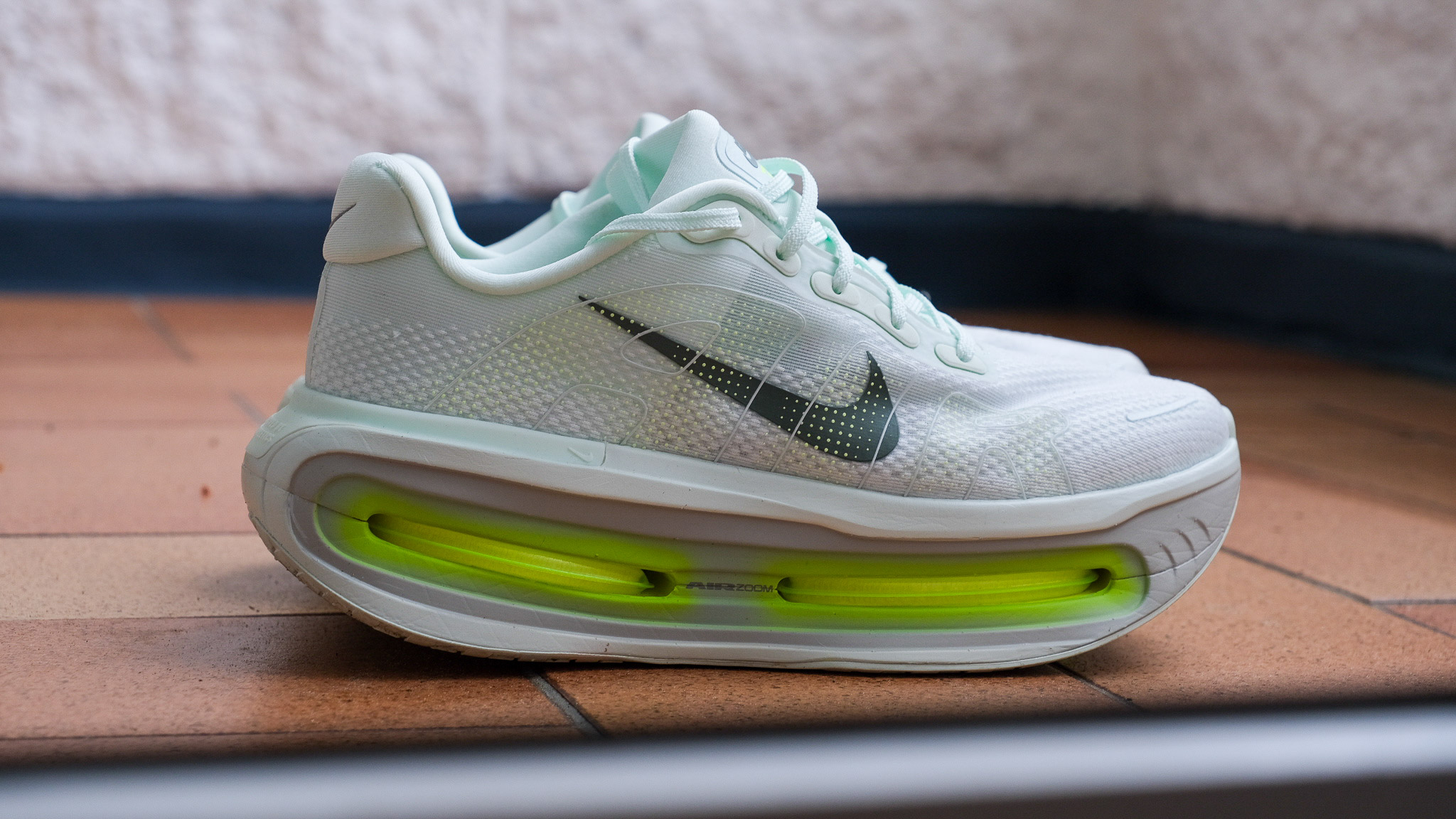
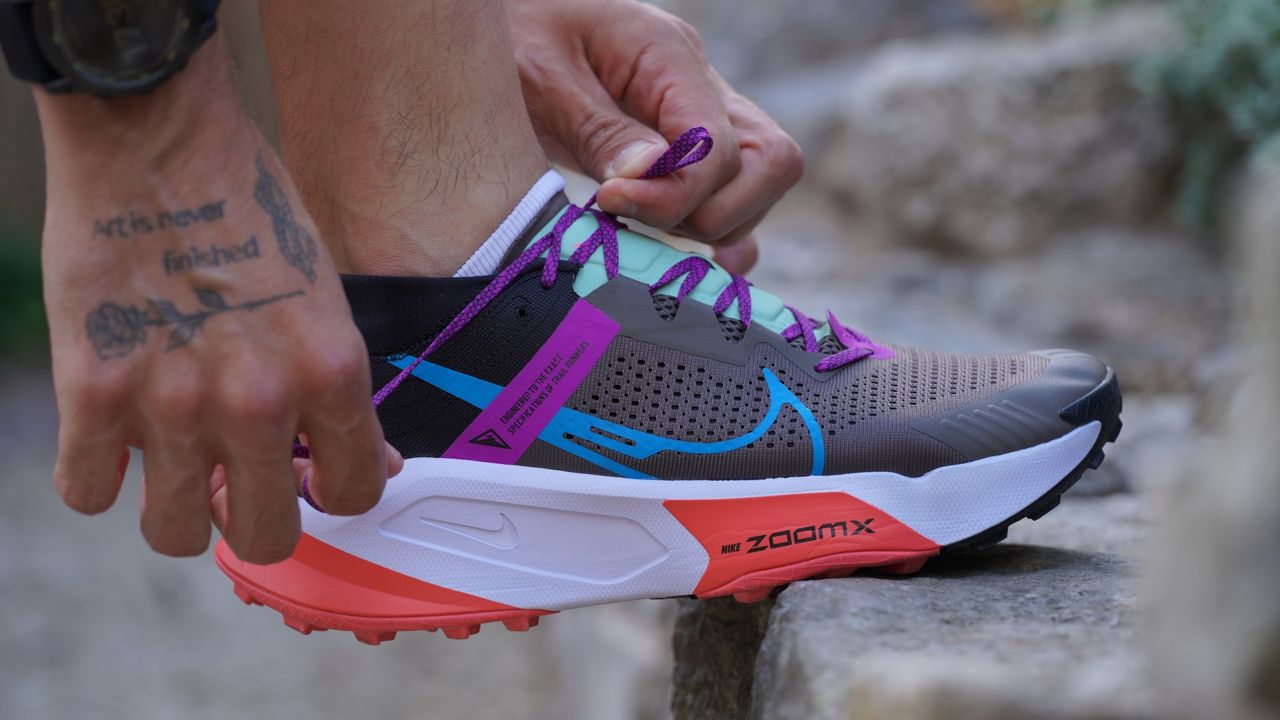
The Vomero Premium was singled out for strong sell-through, positioned as part of Nike’s new tiered running framework that spans everyday cushioning through to higher-end comfort.
The Structure 26 was described as a strong start for Nike’s stability category, with the Structure Plus confirmed to launch in January as a more premium extension of that line.
It seems Nike's strategy to rebuild its running portfolio around three key franchises (neutral, stability and premium) seems to be paying off.
That approach mirrors what rivals like ASICS and HOKA have been doing well, and suggests Nike is serious about competing again at the everyday training level, not just at the sharp end of the marathon.
Why this matters more than it sounds
At the same time as running surged, Nike reiterated that its classic footwear franchises are declining by around 20% year on year.
That decline is intentional, part of a broader effort to reduce overproduction, discounting and brand fatigue.
The key detail is that Nike is still growing despite that pullback, and running is one of the categories making that possible.
In the background, Nike is tightening promotions, improving full-price sell-through and leaning harder on wholesale partners for performance-led categories.
Running fits that strategy neatly, offering specialist shoes, clearer use cases and less dependence on constant markdowns.
A quieter but more durable comeback
Nike didn’t tease a new super shoe or another record-breaking racer. Instead, it talked about stability trainers, premium daily shoes and sustained growth across channels.
That might not generate the same buzz as a prototype spotted on an elite athlete’s feet, but it’s arguably far more important.
If Nike can rebuild running as a dependable growth engine, anchored by franchises like Vomero and Structure, it gives the brand a much sturdier foundation than hype-driven lifestyle drops ever could.
The message from the earnings call was subtle but unmistakable: Nike’s comeback isn’t being led by nostalgia. It’s being powered by shoes you can actually run in.