(Reuters) - The National Institutes of Health said on Friday it planned to end a trial testing whether moderate drinking had health benefits based on concerns that its funding by the alcohol industry would undermine the study's credibility.
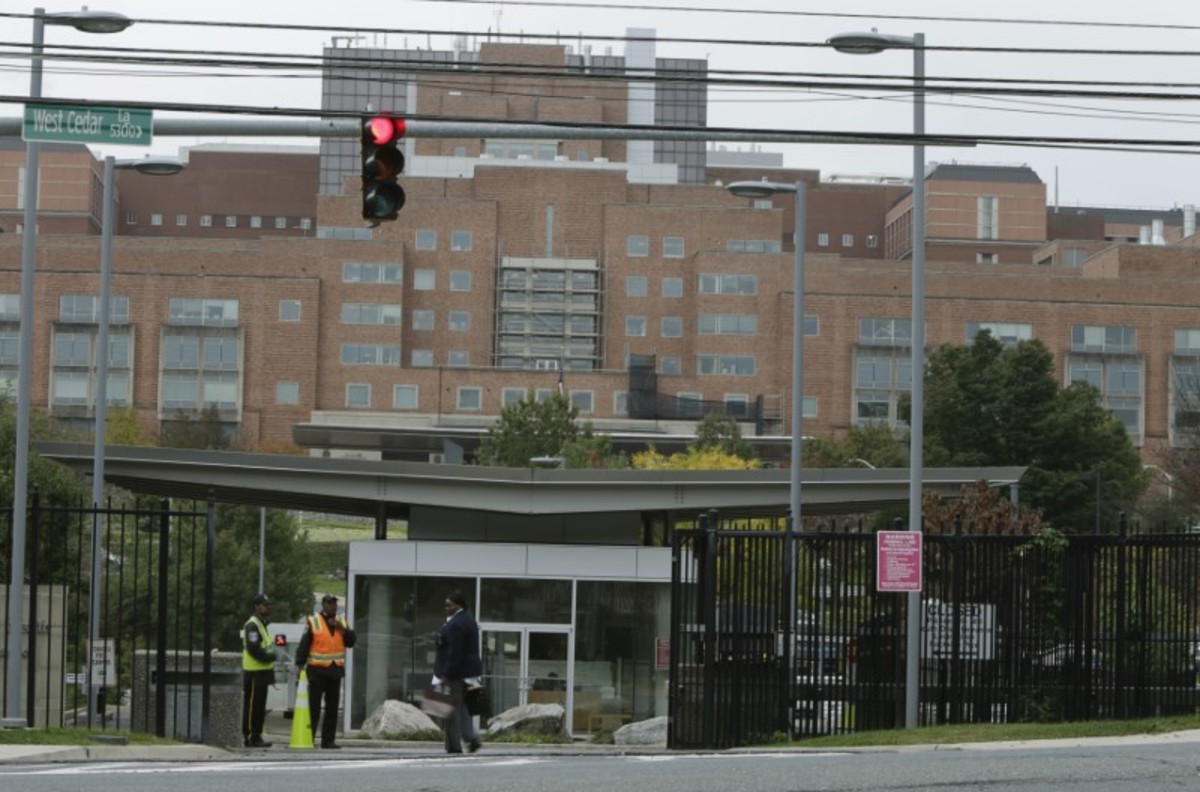
The NIH said https://www.nih.gov/news-events/news-releases/nih-end-funding-moderate-alcohol-cardiovascular-health-trial it planned to end funding for the trial, which came in part from its National Institute of Alcohol Abuse and Alcoholism (NIAAA), and close it within the next few months.
Last year, the New York Times reported https://www.nytimes.com/2017/07/03/well/eat/alcohol-national-institutes-of-health-clinical-trial.html that industry groups including the Alcoholic Beverage Medical Research Foundation and the International Life Sciences Institute had previously backed researchers associated with the trial.
The advisory panel that reviewed the trial at the request of NIH head Francis Collins noted its funding "undermined the integrity of the research process", and said some NIAAA employees had solicited gifts.
There was "frequent engagement" between NIAAA staff, investigators and industry representatives, the panel said https://acd.od.nih.gov/documents/presentations/06152018Tabak-B.pdf in its review.
About 17 percent of the $67.7 million in funding that five of the world's largest alcoholic beverage makers - Anheuser-Busch InBev until June 9, Carlsberg Breweries, Diageo, Heineken, and Pernod Ricard USA - provided the trial has been spent, the NIH said.
The NIAAA had expected to commit $20 million to the overall project over 10 years, of which $4 million has been spent.
The NIH said it would take appropriate personnel actions, as the agency had strong policies related to the standards of conduct for its employees.
The study was testing the effects of one serving of alcohol daily, compared to no alcohol intake, on the rate of new cases of cardiovascular disease and the rate of new cases of diabetes among participants.
The Alcoholic Beverage Medical Research Foundation and the International Life Sciences did not immediately respond to Reuters request for comment.
(Reporting by Tamara Mathias in Bengaluru; Additional reporting by Manas Mishra and Uday Sampath Kumar; Editing by Shailesh Kuber)