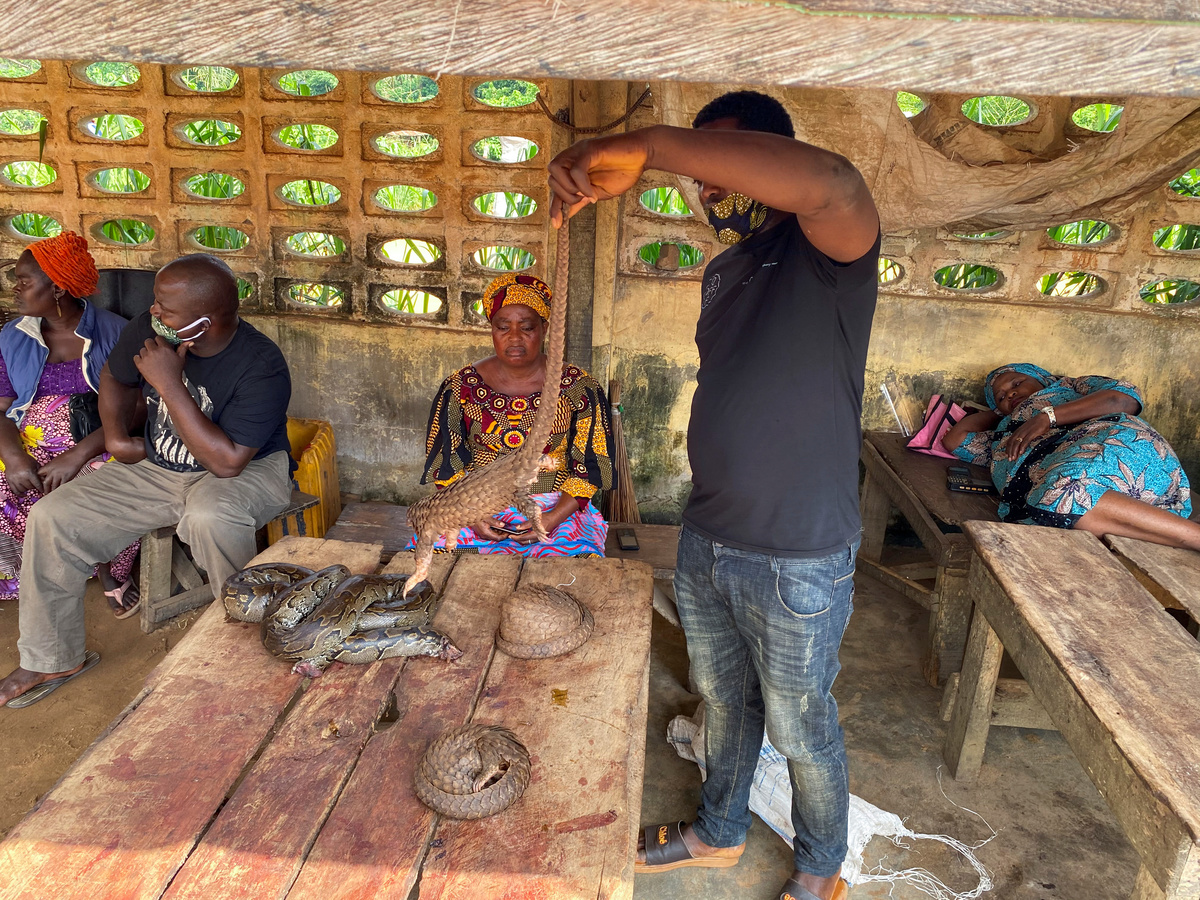
Just a few months after Epe Fish Market was under lockdown to stem the spread of the new coronavirus, vendors at the site in the southern Nigerian state of Lagos are back buying, selling and trading animals.
A vendor descales an endangered pangolin with a machete. Nearby, grasscutter rodents are skinned. Most of the sellers wear masks.
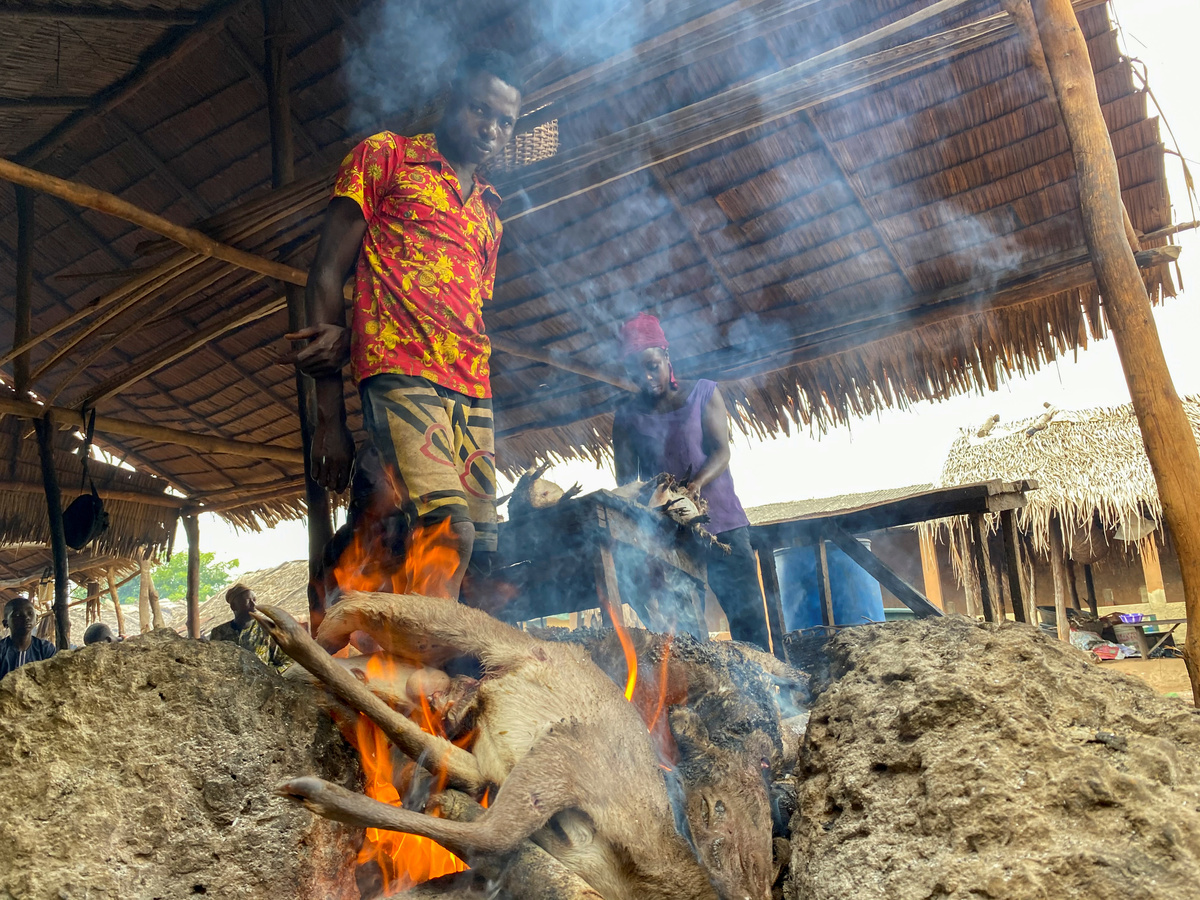
Experts say COVID-19, which has killed around 1,000 people in Nigeria, jumped from animals to humans, possibly at a wet market in China. But few in Epe were worried.
"We are not afraid of it because the coronavirus is not inside the meat," said vendor Kunle Yusaf. "We do eat the meat, even during this coronavirus, and we do not have any disease."
University of Cambridge epidemiologist Dr Olivier Restif called for more education around safe animal trade and hygiene.
"We're very concerned with the risk that it poses," he said of markets where live animals are kept in close quarters. But he warned that simply banning markets could alienate people and drive trade underground.
The WWF International wildlife charity said the pandemic "should be a wake-up call." But the booming trade at Epe illustrated unchanged attitudes despite the nearly 800,000 killed worldwide by the virus.
Nigeria is also a hub for illegal wildlife trade to Asia.
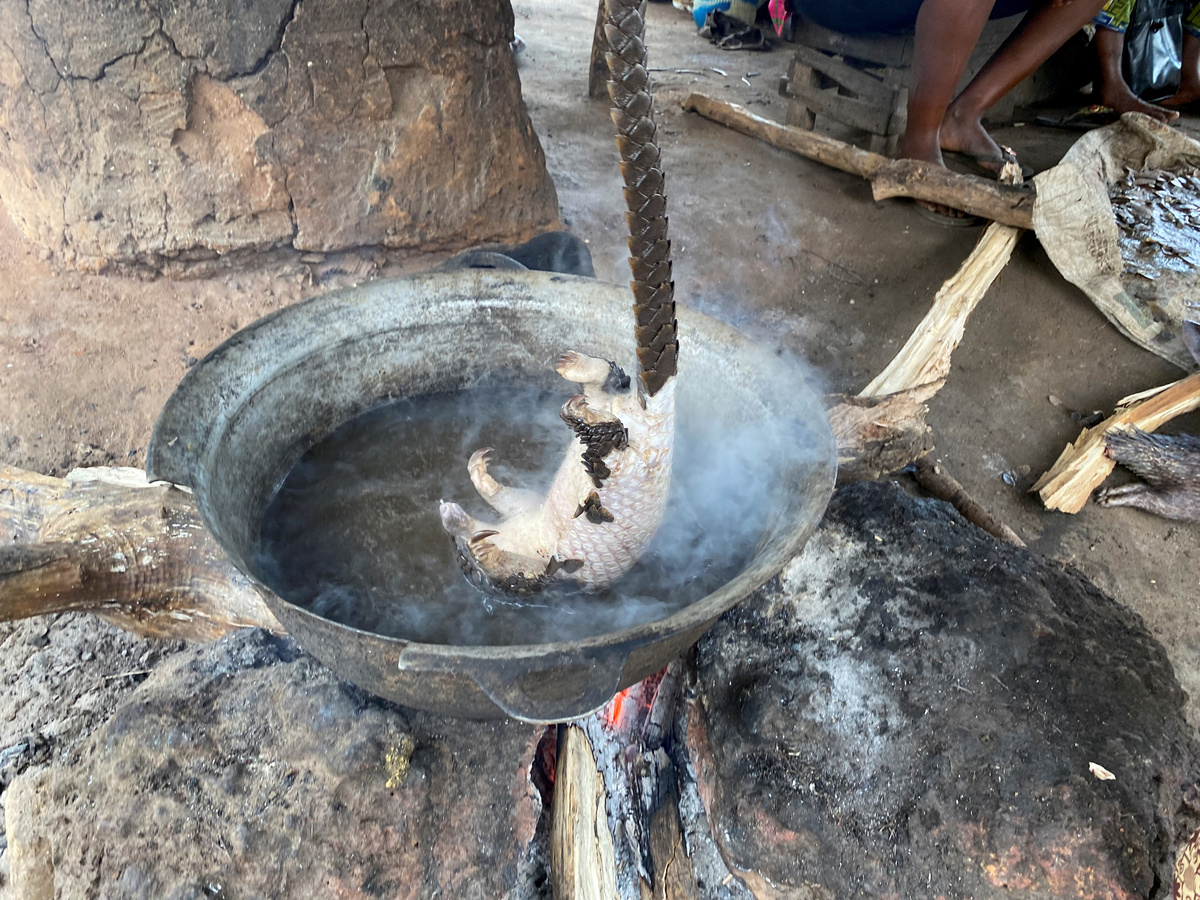
Nigeria's National Environmental Standards and Regulations Enforcement Agency (NESREA) did not respond to requests for comment.
The WWF said the economic strain of the pandemic has sapped conservation budgets in many countries.
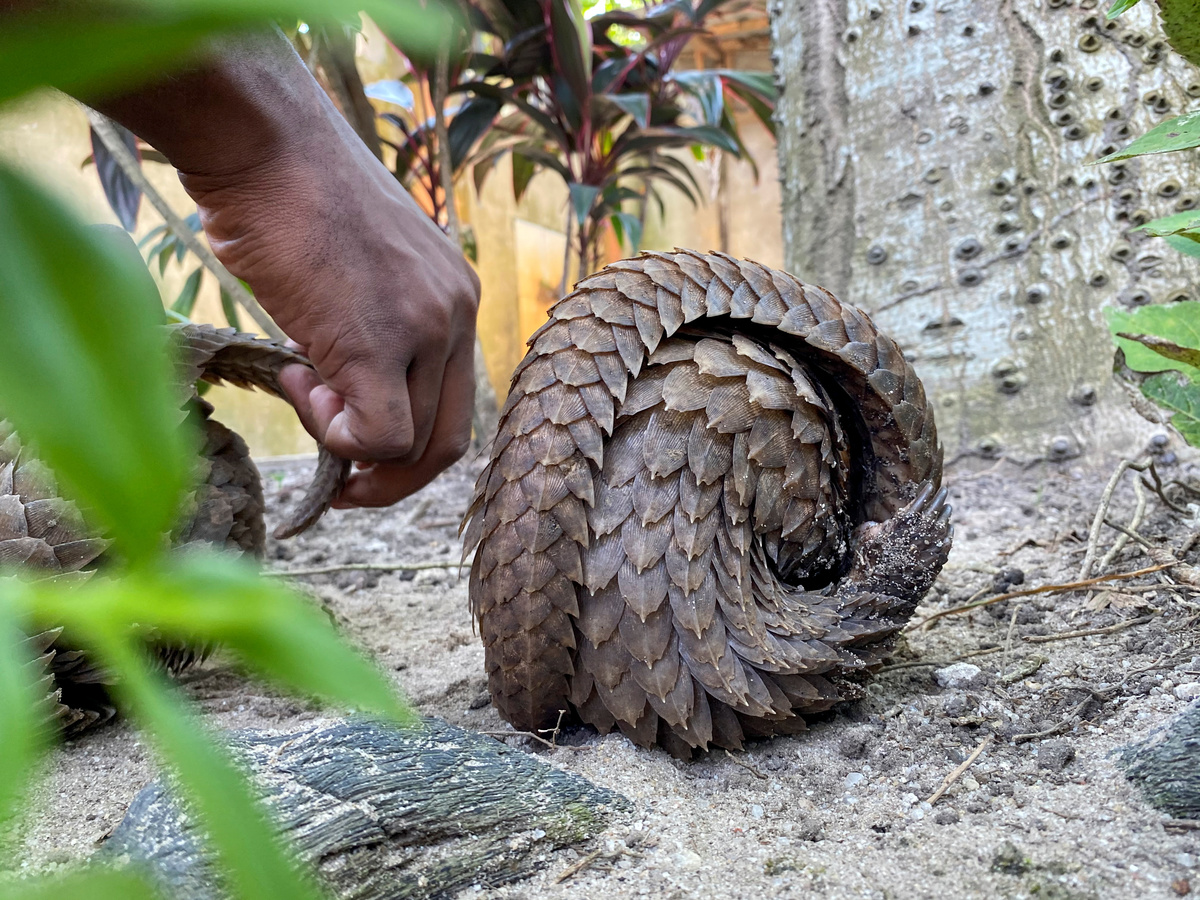
Chinedu Mogbo, founder of Green Fingers Wildlife Conservation Initiative, a wildlife sanctuary near Epe, hopes to encourage Nigerians to cut bushmeat consumption and avoid animal-based traditional medicine, which can fuel the unhygienic animal handling that can aid virus transmission.
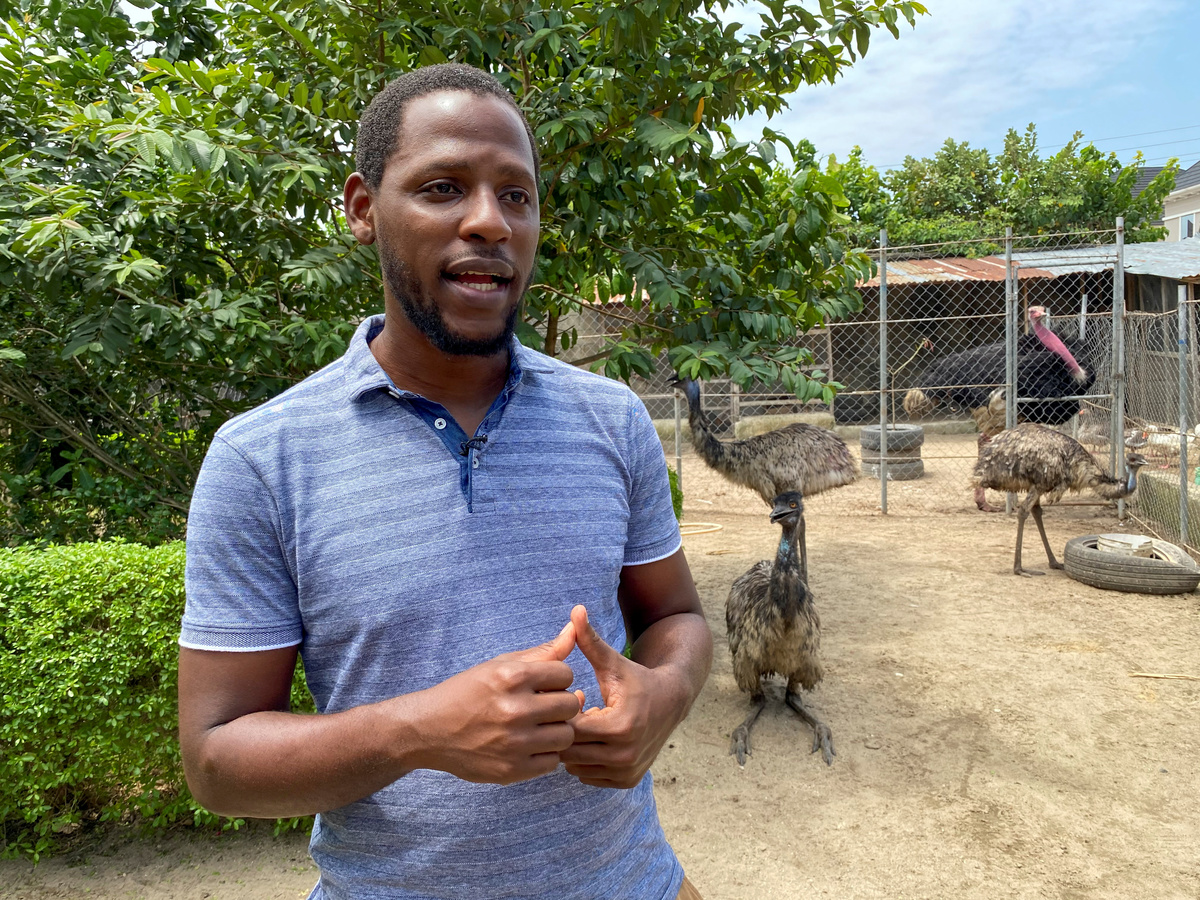
"I believe they will appreciate them more, coming up close to see them," Mogbo said.
(Reporting by Angela Ukomadu and Libby George; Editing by Alexis Akwagyiram and Janet Lawrence)