A controversial scheme to pay GPs’ practices £55 each time they diagnose a patient with dementia is to be discontinued, the head of the NHS in England has announced.
GPs’ representatives and patient groups fiercely condemned the payments, which are part of a drive to increase diagnoses of the condition, as ethically questionable and damaging to the relationship between doctor and patient.
Simon Stevens said on Wednesday that the scheme would end in March, describing it as a “one-time catch up opportunity for practices who want to take it” and an “unusual situation”.
Despite the flak the scheme has received and the decision not to continue with it, and the flak it attracted, he said there were no regrets about its introduction.
“I think it’s too early for hindsight,” he told medical website Pulse. “We need to look at the dementia diagnosis rate through the year before we do that. It is not driven by patient preference, but by different levels of focus on this topic.
“If people don’t want to take the payment that’s entirely legitimate. The underlying point though is you have a lot of variation in your chance as a patient with early stage dementia in having that identified and getting the support, whether that is medicine or a care plan.
“There are quite a lot of people who are not having the opportunity to get that early information and support, so there’s a whole range of things being done to address that, and this is only a small part.”
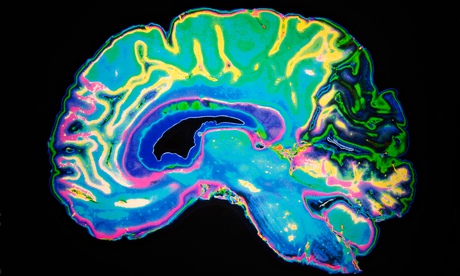
The NHS says there may be around 400,000 people living with dementia that has not been formally diagnosed.
The payment scheme was introduced as part of a drive to get the rate of diagnosis up from about half to two-thirds of all those who develop the condition. GP practices that have registered will receive payment based on their net increase in diagnoses between 30 September this year and the end of March next year.
Responding to the news that the scheme would be dropped, Dr Richard Vautrey, the deputy chair of the British Medical Association’s GP committee said the NHS had “finally listened to GPs and the BMA who have raised concerns about the government directly linking payments to specific targets.
“Decisions about an individual’s care should always be based on clinical need, not financial imperatives, and while the diagnosis of dementia is important it should not be done in a way that could seriously undermine the doctor/patient relationship.”
He accused the NHS of wasting money on “short-term, pre-election targets”, when it should be investing properly in GP services.
Martin Brunet, a GP in Guildford, Surrey, who revealed the scheme’s existence in an article he wrote for Pulse, said: “I like to think that they have listened. I think they were probably surprised by how unpopular it has been not just among doctors but also the public.
“I wish they hadn’t done it in the first place and that they’d withdraw it now. I hope we can make it clear that we should never be paid on the basis of diagnoses.”
An NHS spokeswoman said the scheme was always intended to be short-term, ending in March 2015.