Monday’s strike by NHS workers in England over pay – the first national strike over pay for 32 years – sent a clear message to the government that denying the majority of health staff a pay rise is simply unacceptable. It is possible to have a properly funded NHS with enough staff who are paid fairly for the vital work they do – and Monday showed that the public agrees with us.
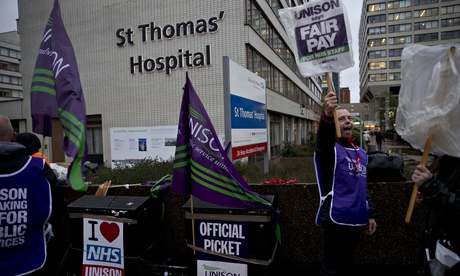
NHS workers do not take action lightly but their anger at the government’s decision to ignore the recommendations for a pay rise for all NHS staff was plain to see. The rain did nothing to dampen their determination as they came out in force on picket lines across England, with workers from seven different unions standing shoulder to shoulder.
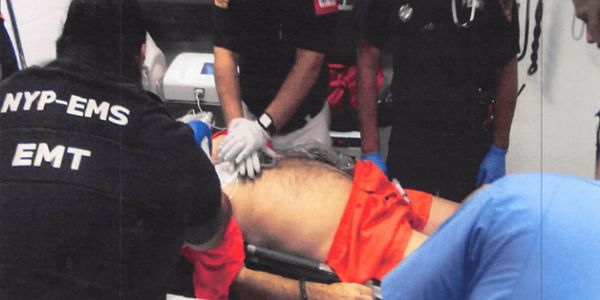
The four-hour stoppage was more than just symbolic. It was long enough to affect around two-thirds of outpatients and disrupt ambulance services, but our members made sure that serious and emergency cases were treated.
Our members made it clear that patient care is compromised by plunging morale and growing recruitment and retention problems. It is not in the interests of patients that many staff have to work additional hours or take a second job just to make ends meet. The government continues to state that the NHS faces a stark choice between pay and jobs, but the evidence just is not there to support that. Pay has been frozen or capped at 1% since 2010 and jobs continue to be lost.
At a time when the pay review body for MPs is suggesting a 10% pay rise, health workers understandably feel angry, betrayed and let down at having to fight for a miserly 1%. Jeremy Hunt is always quick to praise the “hard work” of NHS staff, but words don’t put extra pounds in pay packets and help put food on the table. It’s time the health secretary put his money where his mouth is. Pay in the NHS has not kept pace with inflation and staff have not received an above-inflation pay rise since 2009. This year 60% of NHS staff will not get a pay rise and only those at the top of their bands will receive a 1% unconsolidated lump sum.
On Monday, I stood alongside staff from the London ambulance service and St Thomas’ hospital. Like all our health members, they were determined to make the government sit up and take notice of the effect that eroding pay is having on them and their families. And they succeeded in doing exactly that. It is a disgrace that a third of NHS staff receive less than £21,000 a year, with 20% working second jobs to make ends meet. Every day brings examples of health staff going the extra mile to save lives and care for patients. Losing this goodwill will not help to improve the NHS.
The government’s response to the strike has been disjointed and inconsistent. Even before the action began, it took the politically motivated decision to bring the army into London to try to break the strike. This was a totally provocative and unnecessary step and would have meant that unqualified staff were dispatched to emergencies.
Unison had already signed an agreement with London ambulance that 999 crews would respond to emergencies from picket lines during the strike. If anything, it was the government putting patient safety at risk, not striking NHS staff.
Jeremy Hunt then tried to muddy the water by claiming that some staff in the NHS will receive an automatic 3% pay rise this year. But this is simply not true. Those workers who have not reached the top of their pay scale have the chance to progress their salary through mandatory training, gaining experience in different procedures, increasing their knowledge and taking on more responsibility. This is not a cost of living increase, but recognition that they have enhanced their skills.
This week’s strike is just the beginning. For the rest of this week our members will be refusing to work through their breaks. For too long the government has relied on the goodwill of health workers, but the decision to deny a pay rise to the majority of NHS staff this year has been too much.
What we want is an immediate 1% consolidated rise for all staff, an increase to bring low-paid staff up to the level of the living wage, an end to the pay freeze for 2015-16 and increases in the future that will restore the value of NHS pay.
We will be writing to the health secretary to urge him to open negotiations with the unions to resolve this dispute. The strength of feeling of NHS workers has been plain to see and the government must recognise that.
We’ve already heard this week that senior Tories believe the 2012 NHS reforms are the biggest mistake this government has made. Let’s hope they learn before they make another.
Are you a member of our online community? Join the Healthcare Professionals Network to receive regular emails and exclusive offers.