NHS staff on the frontline are being forced to plug gaps in services that should be filled by skilled managers and admin staff, according to a new report.
Despite a widespread perception that the health service is beleaguered by a top-heavy structure, new research by the King’s Fund suggests that there are now a “near record low” number of NHS managers for each member of staff.
According to its analysis of NHS hospital and community data, there are now 33 staff members for each manager, compared to 27 staff in 2010.
“The narrative that there are too many managers does not survive contact with reality,” said Suzie Bailey, director of leadership and organisational development at the King’s Fund.
Skilled clinical professionals are being forced to spend hours each week “chasing paperwork, managing rotas or navigating broke administrative systems”, she said.
The analysis found that there was a 37 per cent increase in NHS staff from 2010 (975,298) to 2025 (1,334,011). However, the number of managers rose by only 12 per cent over the same period, from 35,696 to 40,021.
“It is no wonder burnout rates are so high and staff satisfaction is so low when clinical staff are being stretched beyond their roles, filling admin gaps on top of already excessive workloads,” she said.
Ms Bailey suggested that “rather than denigrating managers”, what is needed is a “investment and support” and a clear commitment to the professionalisation of leadership within the workplace.
High quality management and effective administration is “vital for patient experience” she added, which is being made more challenging due to the “growing scarcity” of managers.
“What we’re seeing is an absence of the right operational support structures that leaves clinicians plugging gaps in the system that should be filled by skilled administrative and managerial staff,” she continued.
“Government must value NHS managers and the vital role they play in keeping frontline staff focused on patient care, not caught up in paperwork.”
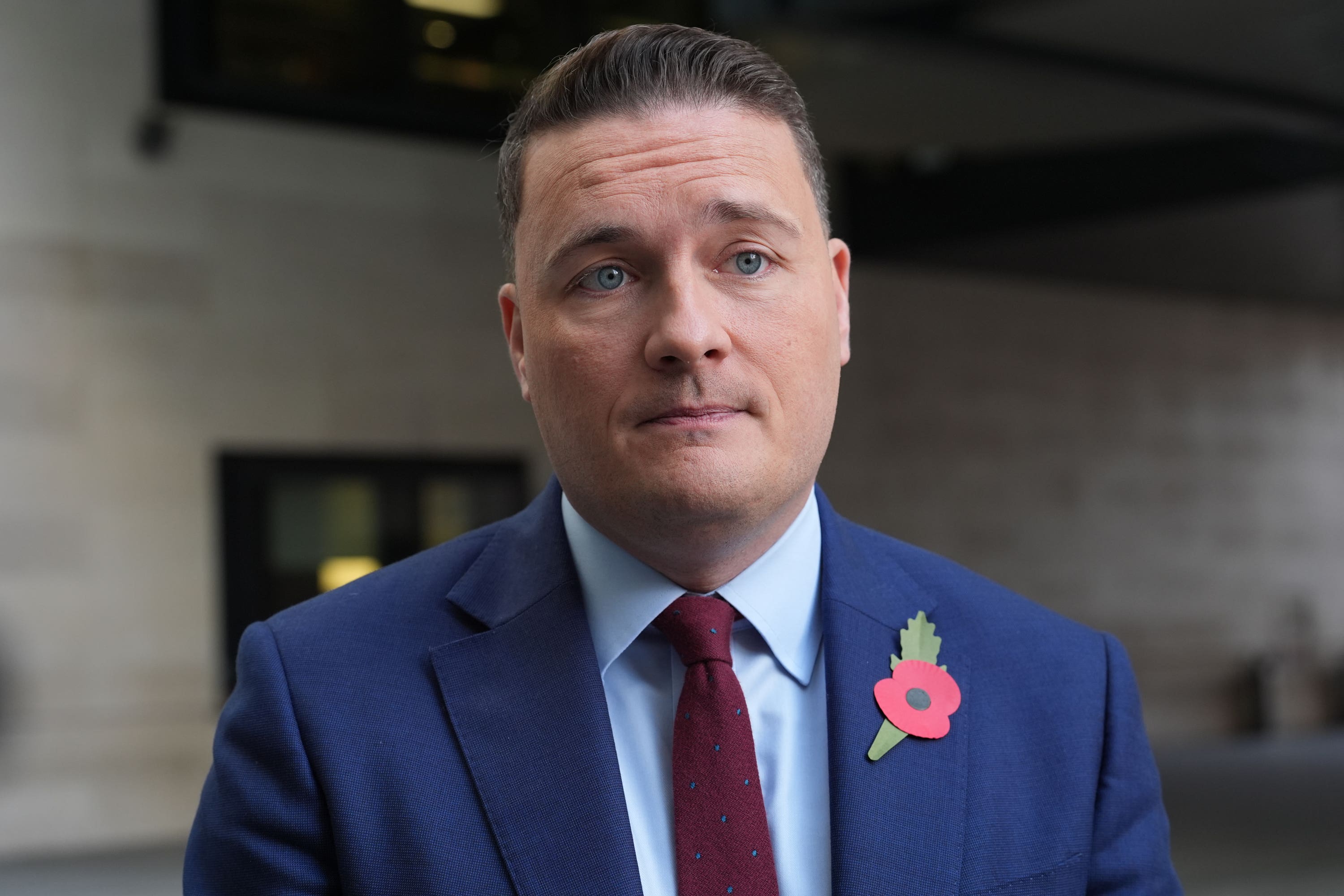
Health secretary Wes Streeting is to deliver a speech to NHS leaders this week at the NHS Providers’ conference in Manchester, after pledging to tackle “failing” managers by denying pay rises last year.

It comes as an All-Party Parliamentary Group (APPG) on Emergency Care found that 19 per cent (one in five) patients in hospital were being cared for in corridors.
Dr Ian Higginson, president of the Royal College of Emergency Medicine that compiled research for the report, said corridor care is “a source of national shame”, adding: “It’s distressing, undignified and it’s putting lives at risk.”
A Department of Health spokesperson said it was important to have “skilled managers in the right roles”.
“We are reforming the NHS to make it fit for the future – attracting, supporting and developing the best talent to boost productivity and divert resources back to the front line,” it said in a statement.
“Our introduction of NHS league tables will also drive up standards, with top-performing trusts rewarded with greater freedoms and investment, and underperforming trusts receiving targeted support.”
Plea for heart valve donors after dip in donations
Flu season 2025 could be the UK’s ‘worst in decades’, experts warn
Patients told to test at home to free up NHS hospital appointments
BBC director-general Tim Davie quits following Trump speech edit
‘Reckless’ cuts to victims’ services will cost more than it saves, charity warns
Evidence ‘does not show clear link between paracetamol, autism and ADHD’