Jewish patients and staff within the NHS feel compelled to conceal their religious identity and "suffer in silence" due to antisemitism, according to Lord John Mann, who led a review into the issue.
Lord Mann, the government’s independent adviser on antisemitism, who was tasked last year with examining the problem, urged the NHS to embody its role as "a responsible and inclusive employer".
His review's recommendations, which are yet to be publicly released, are scheduled to be presented to Parliament on Thursday.
The Department of Health and Social Care (DHSC) revealed that Lord Mann’s investigation uncovered instances of "routine ostracism" experienced by some Jewish staff, leading some to contemplate leaving the health service entirely.
The report is also anticipated to highlight that certain Jewish patients have expressed reluctance to seek treatment or have delayed crucial care within the NHS, citing concerns about antisemitism.
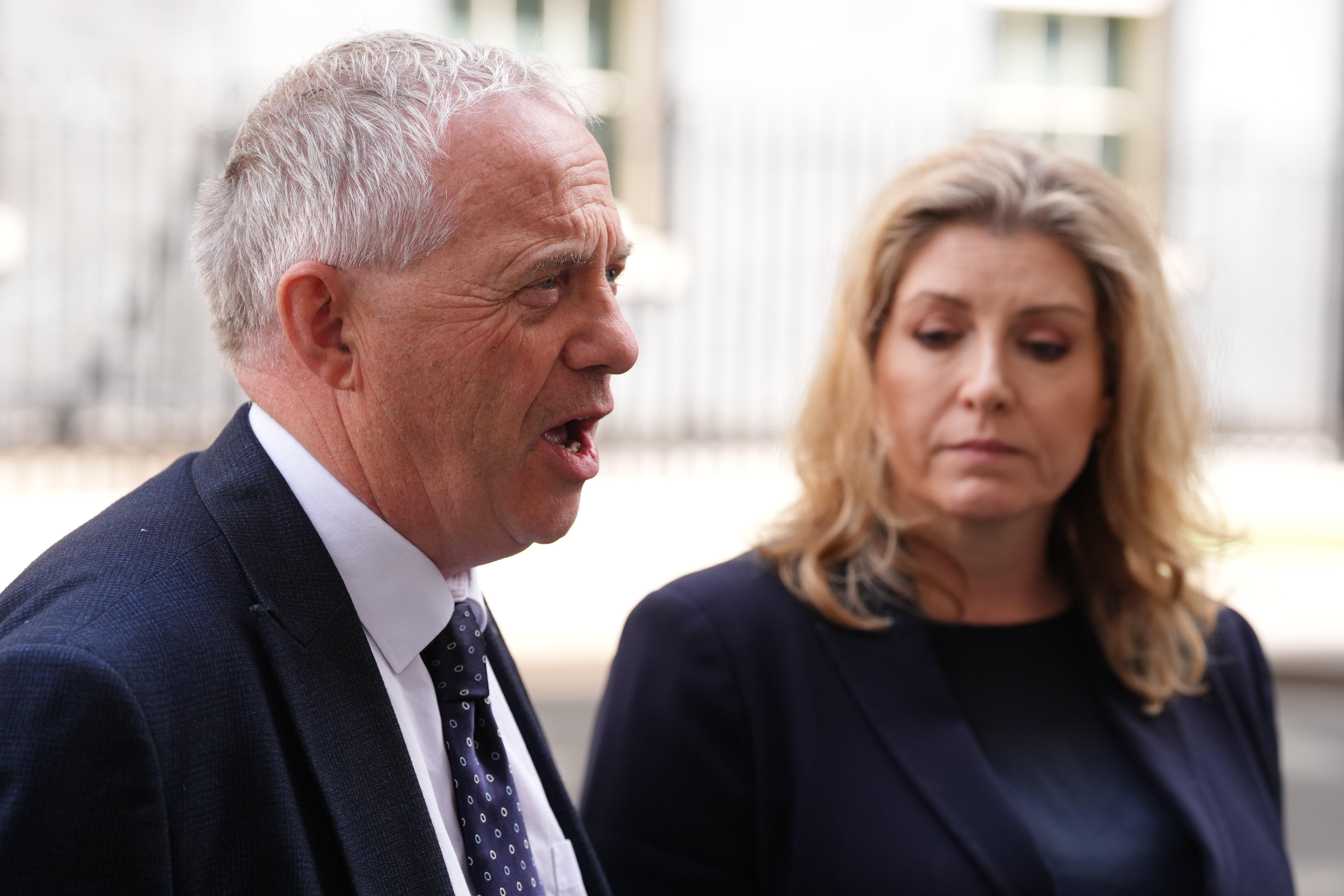
This latest inquiry follows a separate review published in July 2025, where Lord Mann and former Conservative minister Dame Penny Mordaunt cautioned about a rise in antisemitism across British society, specifically identifying a "specific unaddressed issue" within the NHS.
The current review was commissioned by the government last October, with the then-Prime Minister acknowledging the necessity for a broader investigation into the NHS, despite existing management training, because "in some cases, clear cases are simply not being dealt with."
The government has stated that the reforms it plans to implement in response to the review will extend benefits to "everyone who experiences hatred or abuse in the health service," not solely victims of antisemitism.
The DHSC confirmed that a new staff standard will be introduced, outlining minimum expectations for how organisations must prevent, respond to, and learn from incidents of racism.
Furthermore, mandatory anti-racism training, explicitly covering antisemitism, will be rolled out for NHS trust chairs and chief executives within six months. Existing mandatory training on equality, diversity, and human rights, which applies to 1.5 million staff, will also be updated to incorporate "quality-assured content" on both antisemitism and anti-Muslim hostility.
The government is also committed to establishing a single set of national guidance for employers, clearly defining their responsibilities in tackling discrimination and offering examples of incidents requiring referral to the regulator.
Lord Mann emphasised the fundamental principle at stake: "Jewish people have to be confident that they will receive the same treatment as everyone else, at all times in all situations.
"If people feel, as they do, that some have to hide their identity as patients or suffer in silence as staff, then the universality of the NHS is fundamentally breached."
He stressed that while "the solutions are simple”, they demand "a consistency of approach across the whole of the NHS and clear leadership at the top and across all NHS trusts."
Lord Mann concluded: "The NHS as an employer must act as a responsible and inclusive employer and take the responsibility of making its employment and service to patients one that the entirety of the country, including our Jewish community, can feel and see is one that is for them as well as everybody else."
Health Secretary James Murray condemned racism and discrimination, stating they "betray everything the NHS stands for and its ability to provide safe, world-class care."
He affirmed: "Lord John Mann has made a series of robust and practical recommendations which we are accepting."
Murray concluded with a promise of swift action: "I know that Jewish people – and everyone experiencing discrimination – need action, not words. Together with NHS England, we will waste no time in setting these recommendations in motion to build a health service that lives up to its values."