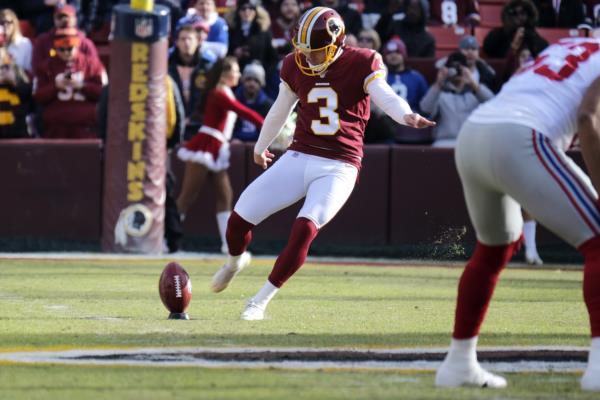
The NFL is set to introduce significant changes to kickoffs this season in an effort to enhance player safety and increase the excitement of the play. The new rules, approved by team owners, aim to address the decline in kickoff returns and reduce the risk of high-speed collisions.
Under the new system, kickoffs will see a radical transformation. The 10 kick coverage players will line up at the opposing 40-yard line, with the return team having at least nine blockers positioned between the 30- and 35-yard line. Only the kicker and two returners will be allowed to move until the ball is touched or hits the ground.
One of the key changes is that any kick reaching the end zone can be returned, providing an opportunity for more action on the field. Additionally, if a kick goes out of bounds before reaching the end zone or is touched by the receiving team prematurely, the return team will gain possession at the 40-yard line.
Reasons Behind the Rule Change
The decision to revamp kickoffs stemmed from the diminishing rate of returns in recent seasons, with only 21.8% of kicks being returned last year. The NFL's focus on player safety also played a crucial role, as kickoffs were identified as one of the most dangerous plays due to high-speed collisions.
The league anticipates that the new rules will lead to a resurgence in kickoff returns while maintaining a safer environment for players. By making kickoffs more akin to regular running plays, the NFL aims to strike a balance between excitement and safety.
Strategies and Implications
Special teams coaches are currently adapting their strategies to the new kickoff rules. With hang time no longer a determining factor, kicks that reach the end zone after hitting the ground in the landing zone are deemed ideal. However, the risk of granting the return team possession at the 40-yard line looms if the ball is touched prematurely.
Returners are expected to approach kickoffs more like traditional running plays, potentially favoring running backs over speedy receivers. The elimination of surprise onside kicks will also impact game strategies, requiring trailing teams to declare their intention to attempt an onside kick in the fourth quarter.
Additional Rule Changes
Aside from the kickoff alterations, the NFL has banned the 'swivel hip-drop' tackle due to its high injury risk. The league also made adjustments to the instant replay system, allowing teams a third challenge if one of their first two challenges is successful.
These changes aim to enhance the overall gameplay experience while prioritizing player safety and strategic gameplay in the upcoming NFL season.