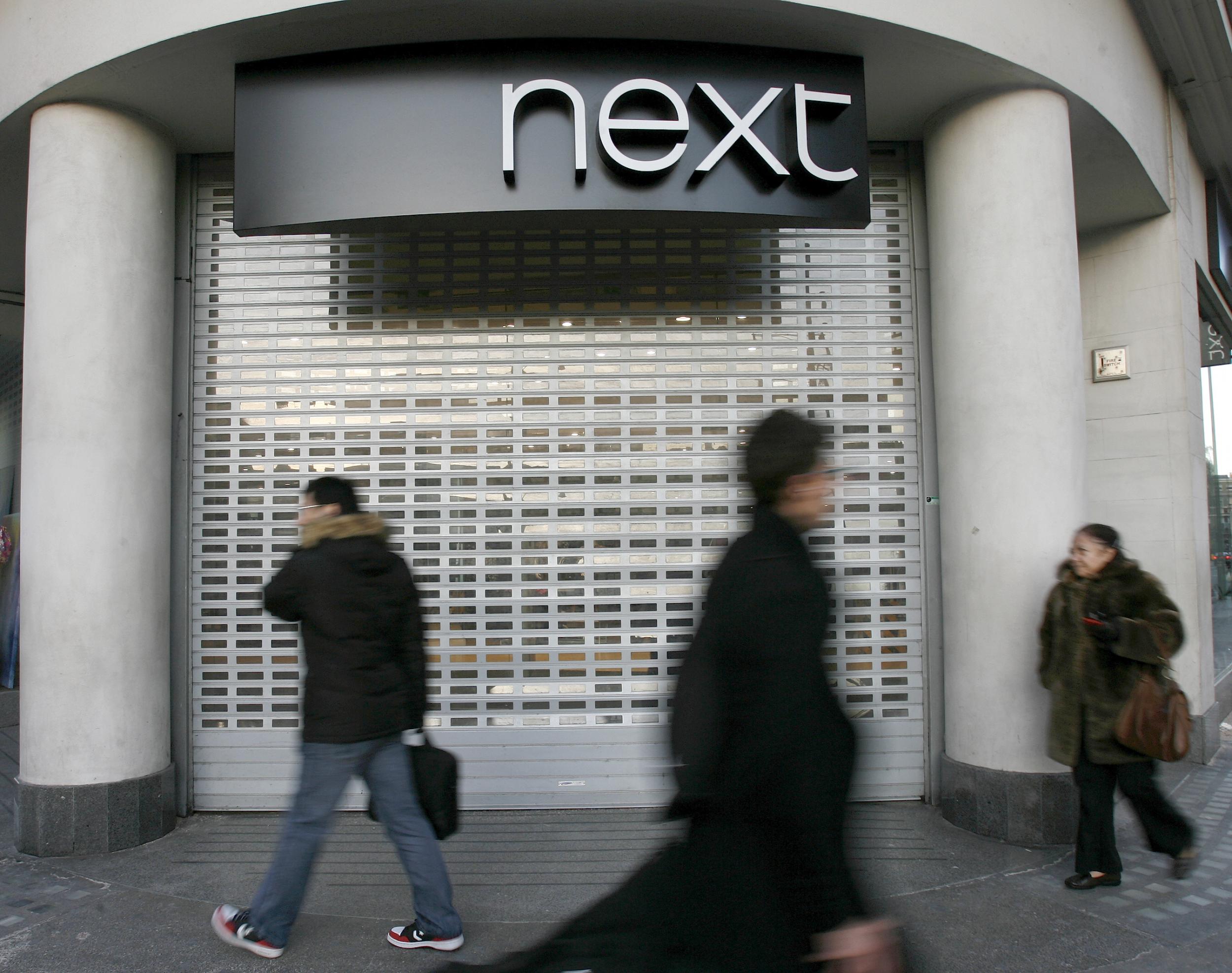
Retailer Next has set out its plans for a no-deal Brexit and said the biggest risk to its business over the next few years is the potential for long delays at UK and EU ports.
The high street store called on the government to provide more clarity about its planning, in order to enable it to make suitable arrangements.
The company said the “indirect risk of interruption to the smooth operation of our ports represents the biggest risk to our business from Brexit”.
According to Next, there is “no reason why goods should not flow with relatively little friction through customs from the EU”, but “the issue will be the preparedness of the UK authorities and UK businesses”.
Another risk the company is facing is volatility in the pound. In a bid to reduce its exposure to currency fluctuations, Next has secured exchange rates in US dollars, its most important trading currency, for the next two years.
In 2018, the costing rate is $1.29 per £1, and in 2019 the company expects to get $1.33 per £1. In early trading on Tuesday, the pound was at $1.31.
Next said its decision to hedge exposure to the pound means it is not expecting any cost price inflation over the next 18 months.
However, the company added: “The flip side of this reduction in currency risk is that our pricing will not improve until January 2020 if the pound strengthens against the pollar in the coming months.
The retailer’s plans were laid out in a lengthy trading update for the first half of the year, which showed total sales rose 3.8 per cent, to £1.97bn, boosted by a 17 per cent hike in online sales, which offset a 7 per cent drop in retail.
The group now expects retail sales to account for less than half of group sales for the year in full. Pre-tax profit edged up by 0.5 per cent to £311m.
Next shares were up 8 per cent in early trading.