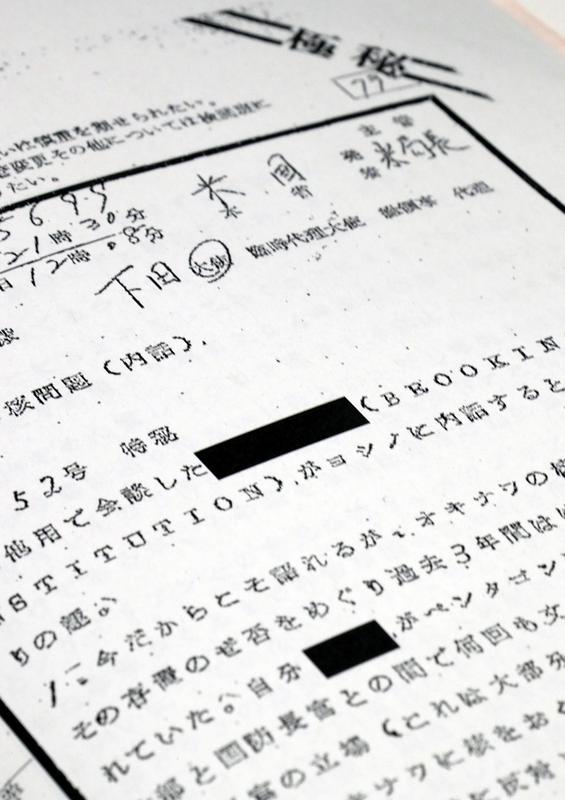
A former U.S. government official, who was involved in negotiations between the Japanese and U.S. governments over the reversion of Okinawa to Japan, explained to a former senior official at the Japanese Embassy in the United States immediately after the bilateral agreement on the return of Okinawa was reached that a situation in which the United States would require the reentry of nuclear weapons to Okinawa could not occur, according to diplomatic documents released on Wednesday.
The explanation was made assuming a secret accord (see below) in which Tokyo allows Washington to bring nuclear weapons to Okinawa again in emergencies.
The diplomatic documents are official telegrams dated Dec. 9, 1969, after the November summit meeting between Prime Minister Eisaku Sato and U.S. President Richard Nixon in which Japan and the United States agreed to return Okinawa to Japanese rule on a "nuclear-free, mainland status" basis.
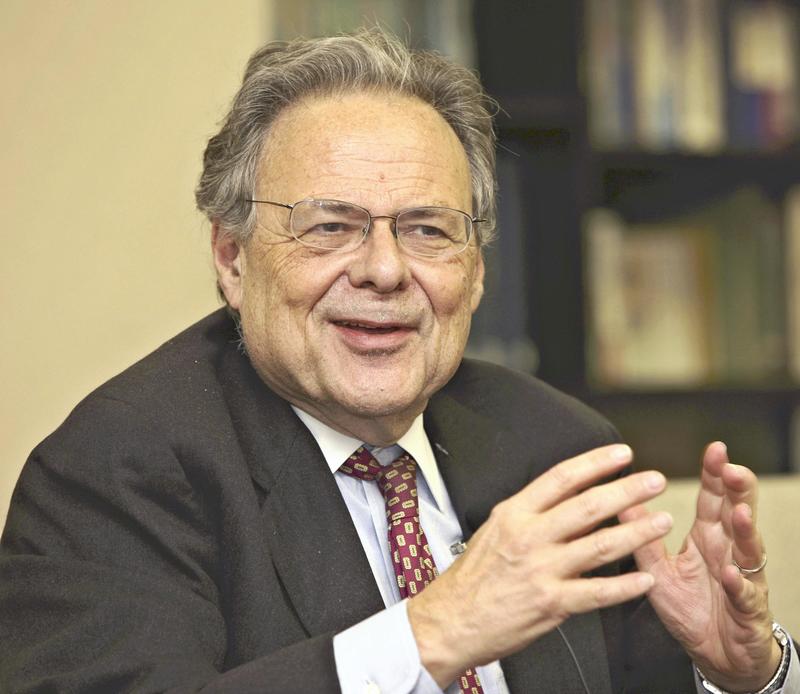
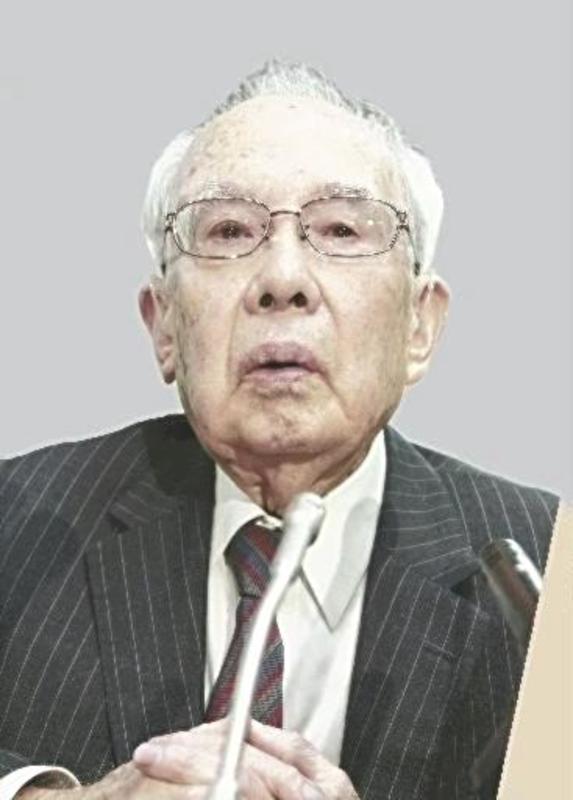
The documents were based on an interview Bunroku Yoshino, then minister of the Japanese Embassy in the United States, held with Morton Halperin, who had resigned from the staff of the U.S. National Security Council in the autumn of 1969.
The names of people mentioned in the documents are blacked out, but Halperin told The Yomiuri Shimbun that he spoke to Yoshino about their contents.
According to the documents, Halperin said that the U.S. military opposed the nuclear-free reversion of Okinawa to Japan, and was persuaded to accept it on the condition that Washington could bring nuclear weapons into Japan again in emergencies. This indicates that his explanation to Tokyo was made on the assumption that the secret accord would be maintained.
In addition, Halperin pointed out in the documents that Okinawa's significance as a base for nuclear weapons is to store them, and if the United States removes the weapons to respect the opinions of the Japanese people, a situation in which the weapons would be brought to Okinawa again could not occur.
He cited as a reason for this that in times of emergency it would be possible for the military to transport nuclear weapons from other locations, such as Guam, with nuclear-capable B-52 bombers, or to use Polaris ballistic missiles launched by submarines.
The U.S. military expressed dissatisfaction with such an assumption, but Halperin also stated in the documents that as the final decision would be made by the president, he thought that ultimately civilian opinions that the reentry of nuclear weapons into Okinawa was not necessary would "prevail."
In another document released on Wednesday, Sato and Nixon agreed during the summit meeting on the establishment of a hotline, but the agreement was not announced at Sato's request.
As it is assumed the hotline would have been used for prior consultation over bringing nuclear weapons into Okinawa, Sato likely wanted to avoid possible speculation within Japan.
-- Secret accord
The U.S. military removes all nuclear weapons when Okinawa is returned to Japan, but Japan recognizes the right of the United States to again bring nuclear weapons to Okinawa in an emergency, such as a possible incident in the Far East. Prime Minister Sato and President Nixon secretly signed the accord, a so-called agreed minute, after their summit meeting in November 1969. A family member of Sato revealed the original of the agreed minute in 2009. However, the Japanese Foreign Ministry concluded in its survey report in 2010 that the ministry knew nothing about the issue.
Read more from The Japan News at https://japannews.yomiuri.co.jp/