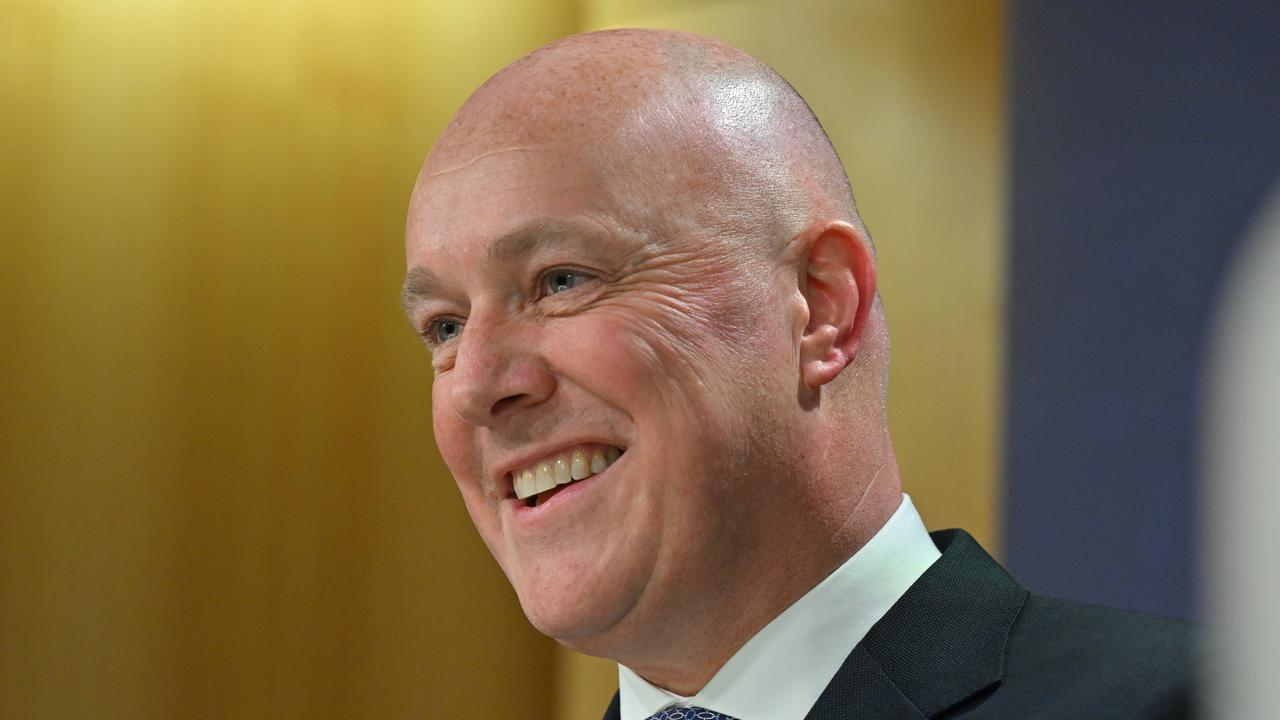
Chris Luxon will box on as New Zealand prime minister after winning a caucus confidence vote, defying doubters in and outside his party after a run of gaffes that imperilled his premiership.
The National leader called a crunch meeting of his partyroom for Wednesday morning to end speculation around his future.
A leadership change looked on after NZ Herald reported growing dissatisfaction in Mr Luxon's performance, three months out from the November 7 election.
View this post on Instagram
Instead, Mr Luxon emerged victorious from the lengthy meeting, claiming to have united the party and pledging to win a second term for his conservative coalition.
"There was a confidence vote in my leadership this morning at our caucus meeting and I have the full support of our caucus," he said, in a 75-second appearance without taking questions.
"Now we're going back to work and we're moving on."
Mr Luxon's office later revealed low-profile defence minister Chris Penk challenged for the leadership in the meeting.
The prime minister then sacked him for doing so, leaving Mr Penk to announce his intention to leave politics at the November election.

Wednesday's vote followed a similar caucus showdown in April, when Mr Luxon brought on and won a confidence vote to silence his critics.
The margin of each vote is a tightly held secret, though media outlets have reported the April result was 27-22 in Mr Luxon's favour.
Rather than Mr Penk, Wellington newspaper The Post reported Erica Stanford, the education minister, was the most likely challenger.
The 48-year-old never confirmed this, and was served a brutal backhander by colleague Nicola Grigg, the minister for women, on the way to the meeting.
"She's a good friend of mine but she's not a prime minister," Ms Grigg said.

Most observers tipped a successful spill.
One political editor described Mr Luxon's leadership as "hanging by a thread" on Tuesday night and another rated his survival as "incredibly unlikely", making his victory a defiant and triumphant moment for Mr Luxon.
Mentored by party messiah John Key, the 56-year-old former Air New Zealand chief executive enjoyed a meteoric rise in politics.

He entered parliament in 2020, became opposition leader in 2021 and won the 2023 election.
However, he has endured a tough run in the top job, failing to deliver on key campaign pledges to improve New Zealand's misfiring economy and tackling government waste.
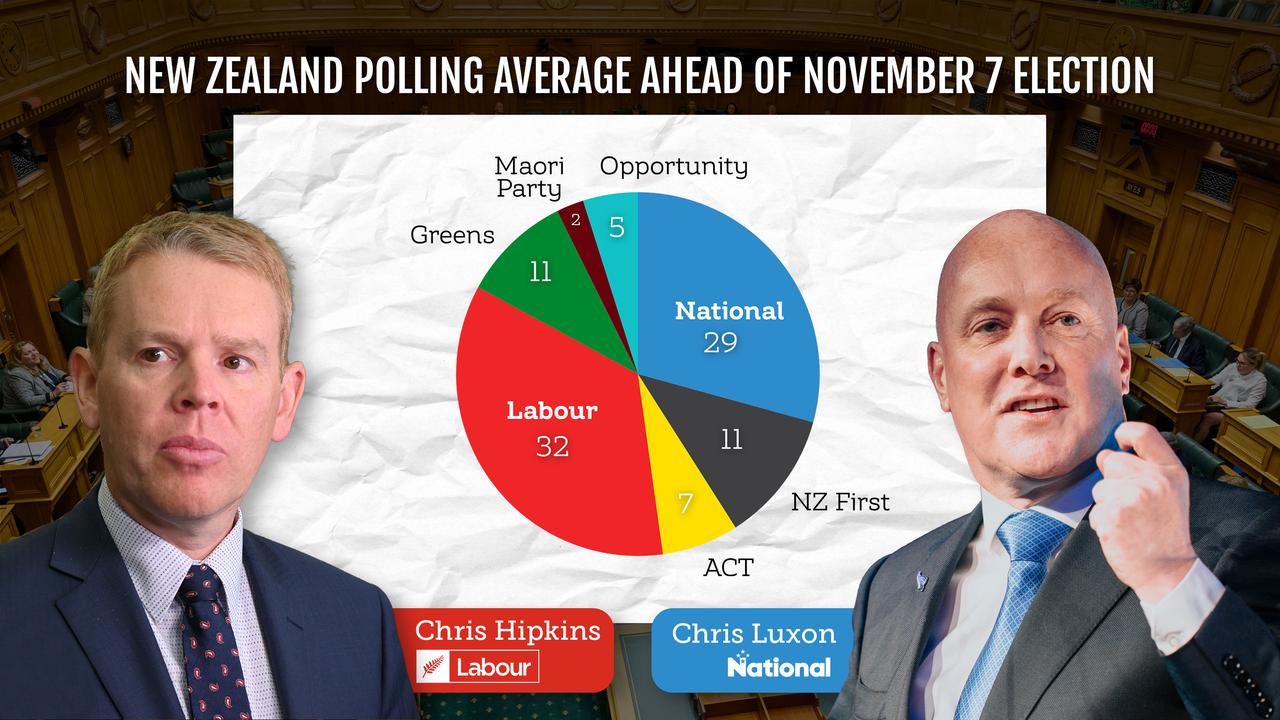
His corporate communication style is routinely mocked, and his poor personal popularity is widely seen as a key reason behind National's plunging poll fortunes, from 38 per cent at the election, to a poll average of 29 per cent.
A run of recent gaffes brought about the second leadership vote.
Mr Luxon told battling small business owners in Rotorua they were "negative" and should instead be "retooling and radically disrupting your business".
He also defended his use of a defence force plane to fly home after a party fundraiser - a shocking look for a leader who forced to return a housing entitlement to stay at his own mortgage-free property.
Mr Luxon has also been pushed around by NZ First leader and foreign minister Winston Peters, who in July caused outrage by telling a China-born Greens MP to "go back to your own country" in parliament.
While Mr Luxon said the 81-year-old maverick's comment was racist, he did not sanction or sack him.
Despite the drama, the National-led coalition remains on course to win re-election on November 7.
While the contest is tight, the right bloc has consistently kept an edge over the left bloc of Labour, the Greens and the Maori Party.
The race has been challenged in recent months by the emergence of newcomer party Opportunity, which hit eight per cent support a TVNZ poll released on Wednesday.
Labour leader Chris Hipkins said the leadership shenanigans showed National was in disarray.
"New Zealanders have had a gutful of politicians fighting amongst themselves ... at a time when New Zealanders need them to be fighting for them," he said.