WELLINGTON (Reuters) - New Zealand's Labour-led government is ramping up spending, including NZ$3.8 billion ($2.6 billion) of new capital investment over the next five years, to prolong a golden period of economic prosperity stretching back to 2012.
In its first budget released on Thursday, Jacinda Ardern's centre-left government unveiled billions of dollars in additional funding for housing, health and education, while also pledging to reduce its debt burden as a proportion of gross domestic product.
The balancing act relies, in part, on a lift in GDP growth to a peak of 3.8 percent in 2019, from the current 2.6 percent pace - an ambitious target backed by the extra stimulus.
The government also expects additional tax revenue as migration eases at a slower rate than expected even after Labour campaigned last year to reduce its intake.
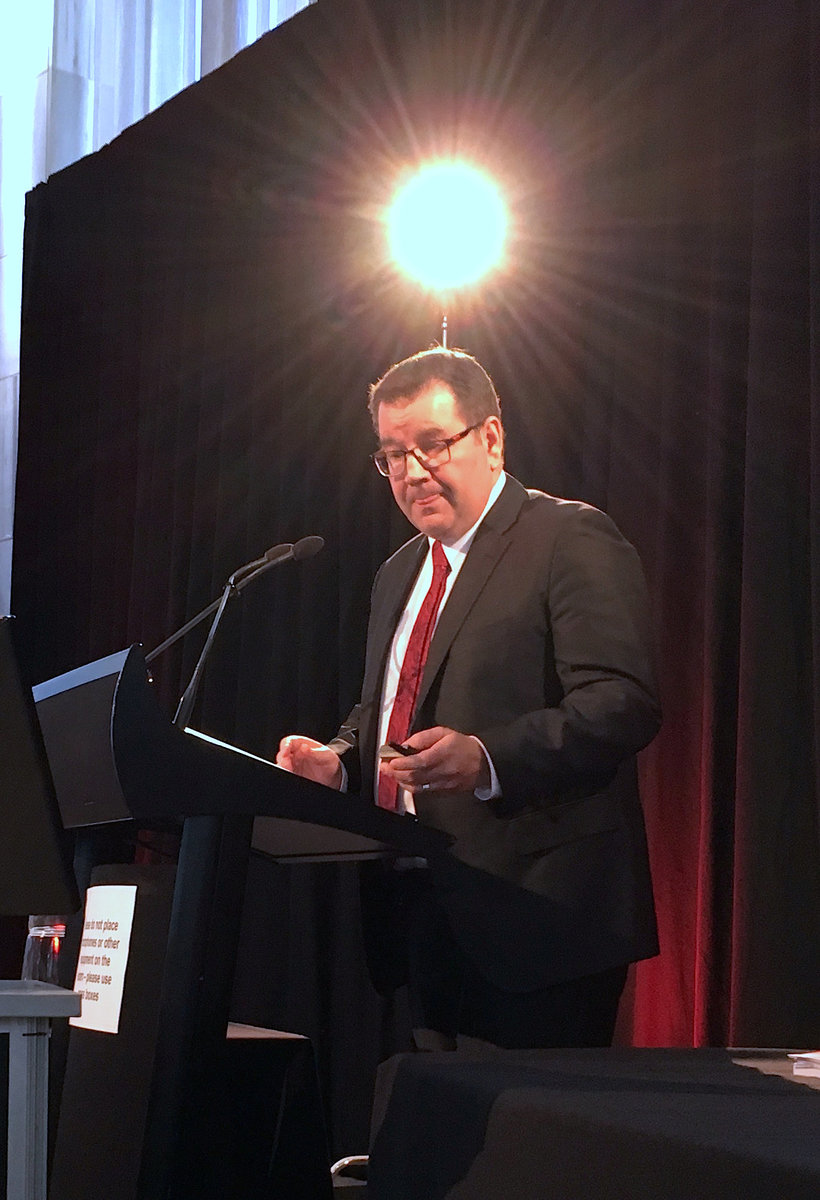
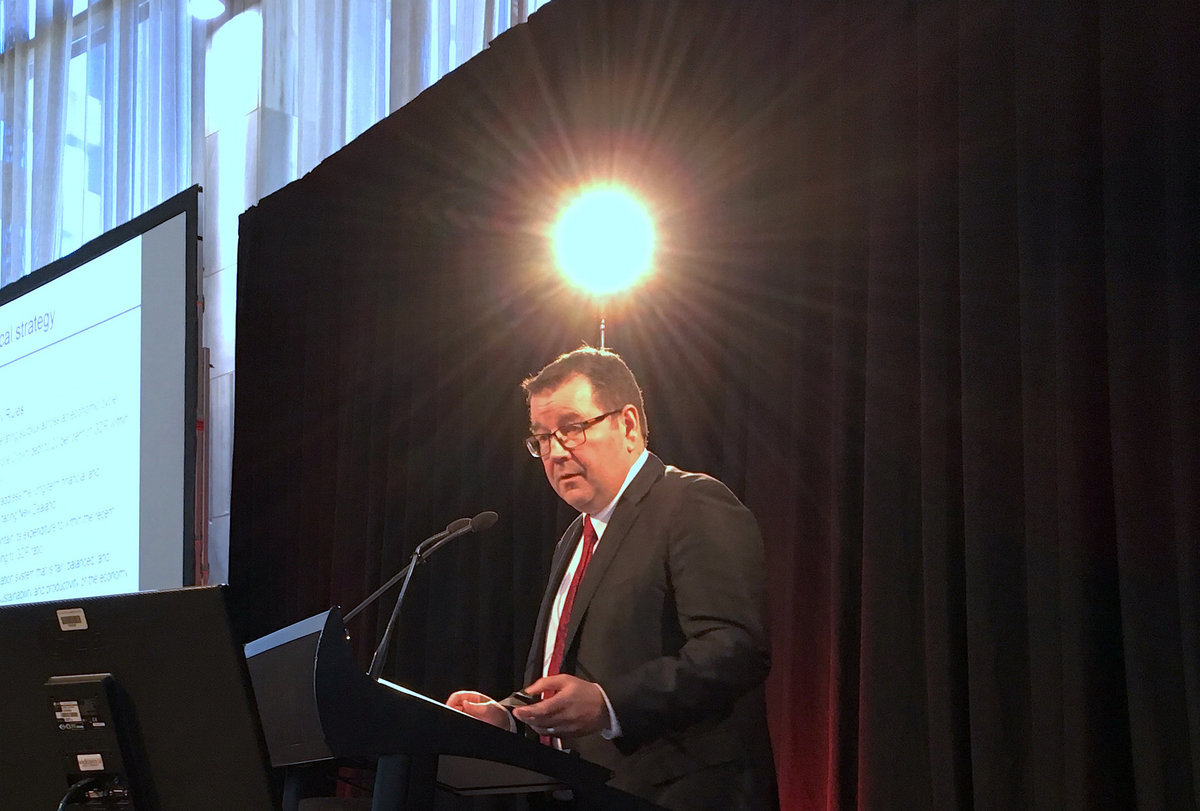
Finance Minister Grant Robertson said on Thursday his priority was to rebuild public services, but that it would take time.

"We want to balance these ambitious goals with the fiscal discipline that we owe to future generations," said Robertson, after revealing a forecast operating surplus of NZ$3.14 billion for the year ending June, up from NZ$2.54 billion previously forecast.
New Zealand's surplus is forecast to rise to NZ$7.32 billion at the end of the budget estimates period in 2021-22.
The Labour-led coalition took the government reins in October after campaigning to make the economy "work for all New Zealanders" as concerns mount over rising inequality even as growth has sped along nicely for more than six years.

Matthew Circosta, an analyst at Moody's Sovereign Risk Group, said in a note on Thursday that a commitment to fiscal prudence provided the economy a buffer from any future shocks.
New Zealand has a triple-A sovereign rating from Moody's and double-A from Standard & Poor's.
While the country's total debt is set to increase, it is forecast to fall as a percentage of GDP to 19.1 percent by 2022, from a projected 20.8 percent of GDP in the current fiscal year.

The New Zealand dollar <NZD=D4> rose about a quarter of a U.S. cent to $0.6929 after the budget.
Stuart Ive, Wellington-based trader at OM Financial, said the forecast surpluses were "probably the thing that the market liked the most."
"Apart from that, obviously the rest of it is a bit of a healthcare giveaway."

BOOM TOWN CRACKS
The government inherited a strong set of accounts as record immigration levels and robust dairy prices created growth of around 3 percent a year.
But the economic boom, which saw record-high house prices, has come at a cost. The number of New Zealanders eligible for government housing support has more than doubled in the past three years as residents struggle to afford shelter in a housing crunch.

"Too many New Zealanders are hurting because of the housing crisis," Robertson said, adding the government would build an extra 6,400 state houses in the next four years, on top of its ambitious 'Kiwibuild' program.
The government has allocated NZ$3.8 billion of new capital spending over a five-year period. This includes an extra NZ$634 million for housing, on top of the NZ$2.1 billion previously announced to fund Kiwibuild, a centralised government building program to increase affordable housing supply.
The healthcare sector will also receive what Labour said was the biggest capital injection in at least a decade, while NZ$427 million was allocated to build a light rail network in the country's most populated city, Auckland, to alleviate congestion.
The spending plan replaces a stimulus package centred on tax cuts promoted by the former centre-right government, which criticised Labour on Thursday for "borrowing more and taxing more in strong economic conditions".
The government said forecast GDP growth was weaker in the short term, in part due to adverse weather conditions in the agricultural sector, at 2.6 percent in 2017-18, compared to the 3.3 percent growth forecast at its fiscal update late last year.
Over the longer term, Labour is relying on a strong economic return backed by the spending boost, with growth expected to average 2.7 percent in 2020-21, compared to 2.5 percent previously forecast.
ASB Bank said in a note on Thursday it anticipated less tax revenue and a "marginally less rosy fiscal picture" than forecast in the budget.
The country's Debt Management Office said it would increase bond issuance by NZ$1 billion a year for the three years ending 2021, which saw government bonds extend early weakness.
(Reporting by Charlotte Greenfield and Jonathan Barrett in WELLINGTON; additional reporting by Swati Pandey in SYDNEY; Editing by Shri Navaratnam)