WELLINGTON (Reuters) - New Zealand's headline inflation slowed to just 1.1 percent in the first quarter, with the central bank's new governor vowing "dogged determination" to hit its 2 percent target.
The consumer price index rose 0.5 percent in the three months ending in March, data out on Thursday showed, in line with analysts' expectations.
That left inflation just off the bottom of the Reserve Bank of New Zealand's (RBNZ) target range of 1 to 3 percent, down from 1.6 percent in the previous quarter and at an 18-month low.
RBNZ governor Adrian Orr, who took the helm in March, said on Radio New Zealand that he expected "very benign inflation going forward without doubt, as we've forecast".
That underscored economists' expectations that Orr would take a similar stance to previous incumbents, given he has inherited the same weak inflation that saw them slash rates to a record low of 1.75 percent in 2016 and signal they could stay unchanged for years.
Orr said weak global inflation was a challenge for central banks internationally, and it demanded interest rates to be kept low even as economic growth picked up.
"I think what really matters is the confidence and expectation and belief that we are aiming for that midpoint of 2 percent all of the time," said Orr. "We are doggedly determined to aim for two percent, but the accuracy around...that is very limited."
Orr's comments emphasised the RBNZ's close focus on its inflation targeting regime, even after the government added an employment-maximising requirement to its mandate.
The RBNZ's next monetary policy decision is due on May 10.
Thursday's weak outcome largely reflected lower education costs, thanks to a new government policy to make students' first year of tertiary study free.
Yet there were signs even previously reliable drivers of price growth, such as the booming building industry, were starting to slow. Construction costs rose just 0.4 percent, the smallest quarterly rise in seven years.
"Although education costs were always going to be a drag on inflation in Q1, other soft spots remain evident," ASB economists said.
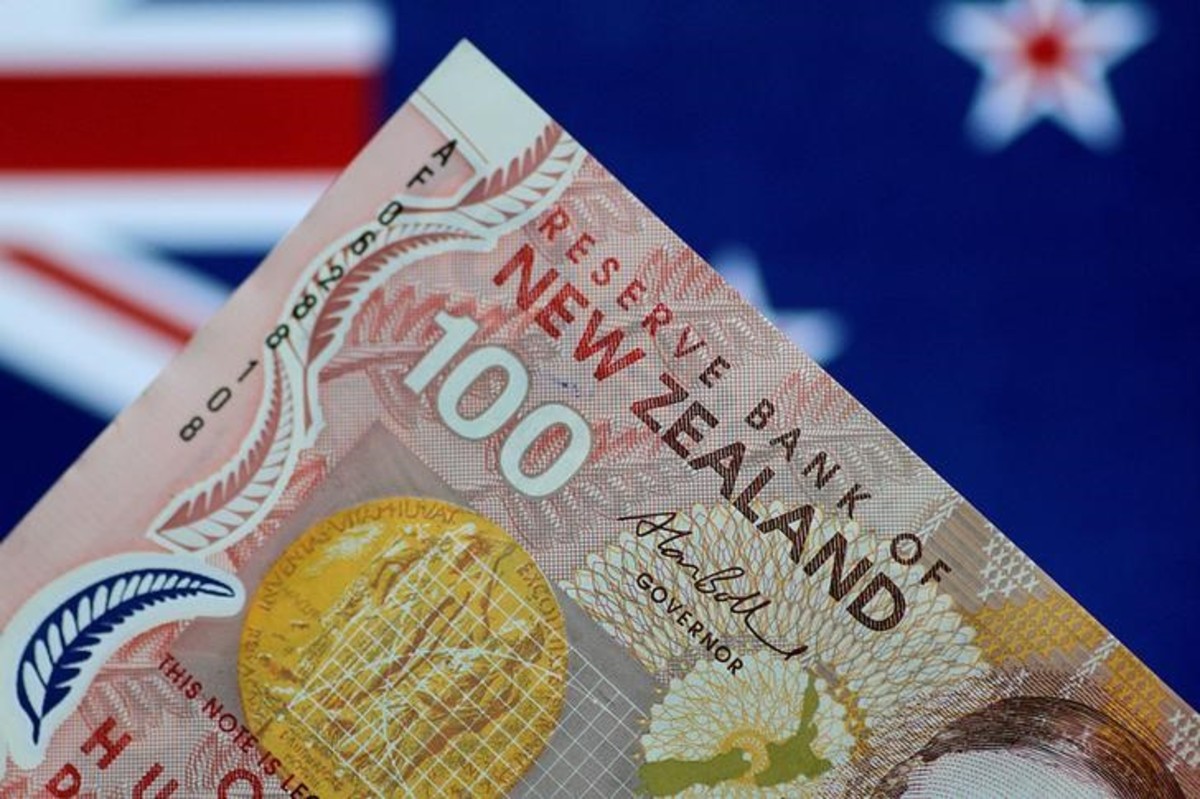
The New Zealand dollar <NZD=D4> jumped from $0.7324 to $0.7342 on the inflation news, but gave up most of those gains and was trading around $0.7315 in the afternoon.
The International Monetary Fund's latest consultation report on New Zealand expected inflationary pressures would rise throughout the year as businesses started to pass on wage hikes, but not all economists agree.
"Looking ahead, as we doubt that growing capacity constraints and the rising minimum wage will boost CPI inflation much, we suspect the RBNZ won’t raise interest rates as soon as the markets expect," said Paul Dales, chief Australia and New Zealand economist at Capital Economics.
"Lift-off may not happen until the back end of next year."
(Reporting by Charlotte Greenfield; Editing by Eric Meijer)