New Zealand's unemployment rate fell in the final quarter of 2019 but jobs growth softened, in a mixed bag of labour data released on Wednesday that cemented a view the central bank will stand pat on rates next week.
The unemployment rate in the fourth quarter dropped to 4.0% from a downwardly revised 4.1% in the previous quarter, while jobs growth was flat, compared to forecasts in a Reuters poll for an unemployment rate of 4.2% and jobs growth of 0.3%.
The jobless rate has largely been tracking down since late 2012, but has remained stable at around 4.0% throughout 2019, Statistics NZ said in a statement.
The fall in the unemployment rate this quarter reflected 3,000 fewer unemployed, with the data showing 3,000 fewer unemployed women, it added.
The seasonally adjusted underutilisation rate, a gauge of untapped capacity in the labour market, fell to 10.0% in the December 2019 quarter, an 11-year low, and down from 10.4% last quarter.
The participation rate fell to 70.1%, its lowest since June 2017. Private sector wages increased 0.6% over the previous quarter, with annual growth accelerating to 2.4%.
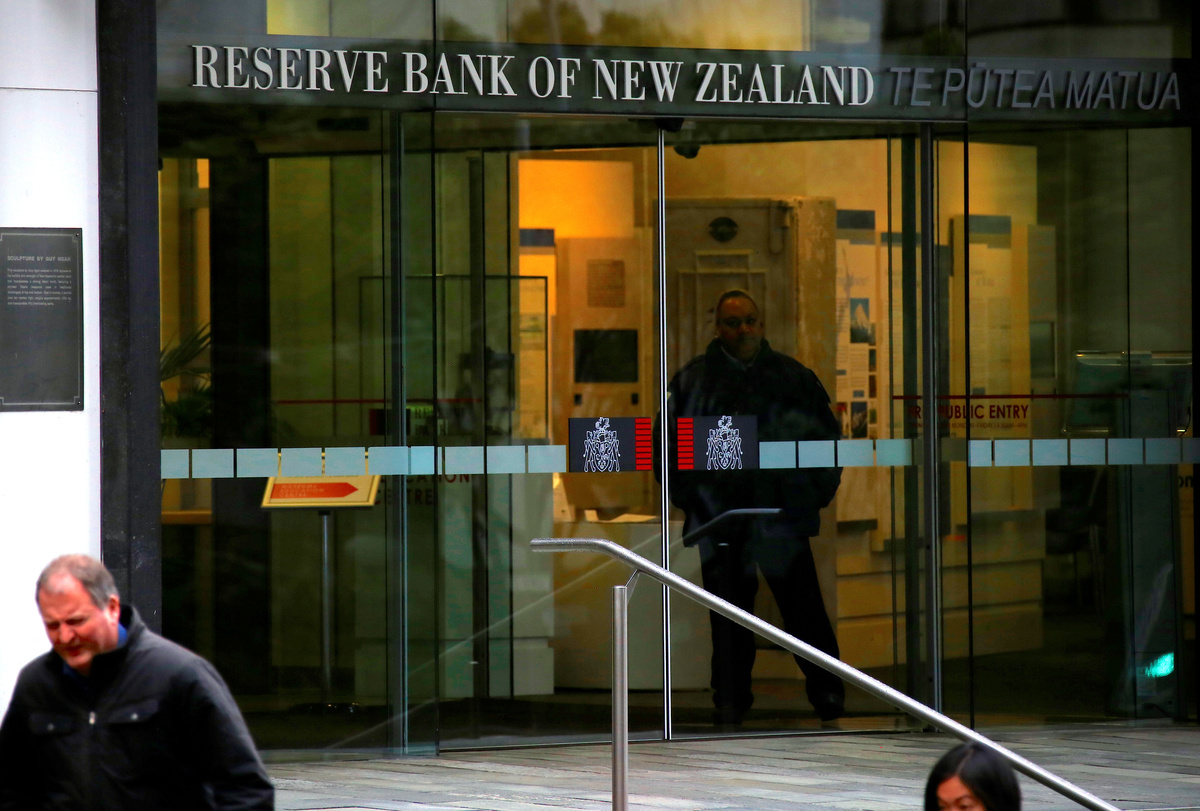
The data was being closely watched ahead of Reserve Bank of New Zealand's (RBNZ) first monetary policy decision for 2020 due next week. The bank has adopted a dual policy mandate that includes targeting employment alongside inflation.
"The decline in the unemployment rate ... all but ensures that the RBNZ will keep rates on hold in February and given that we expect employment growth to rise from here we think the Bank's easing cycle is now over," said Ben Udy from Capital Economics.
The New Zealand dollar <NZD=> rose slightly after the announcement but quickly gave up its gains to remain at $0.6495.
ANZ Bank said in a note that the data would make RBNZ comfortable on both its mandates, with the focus shifting to global issues, especially the economic impact from the spreading coronavirus epidemic.
"The RBNZ can afford to be patient and see how developments unfold, in light of emerging and highly uncertain global risks associated with the tragic new coronavirus," said ANZ Senior Economist Miles Workman.
RBNZ Assistant Governor Christian Hawkesby said last week that the coronavirus epidemic is a human tragedy that the bank would need to monitor.
(Reporting by Praveen Menon; editing by Richard Pullin)