WELLINGTON (Reuters) - New Zealand business confidence fell in the first quarter, an economic think tank said on Tuesday, pointing to softer growth in the first half of the year and consolidating expectations of an interest rate cut.
The result pushed the New Zealand dollar down to$0.6773 from $0.6804. The currency last stood at $0.6788.
A net 29 percent of firms surveyed expected general business conditions to deteriorate compared with 17 percent in the previous quarter, the New Zealand Institute of Economic Research's (NZIER) quarterly survey of business opinion showed.
Business sentiment had temporarily rebounded in the previous three month period, but firms started the year on a gloomy note, with a net 1 percent seeing a drop in their own trading activity.
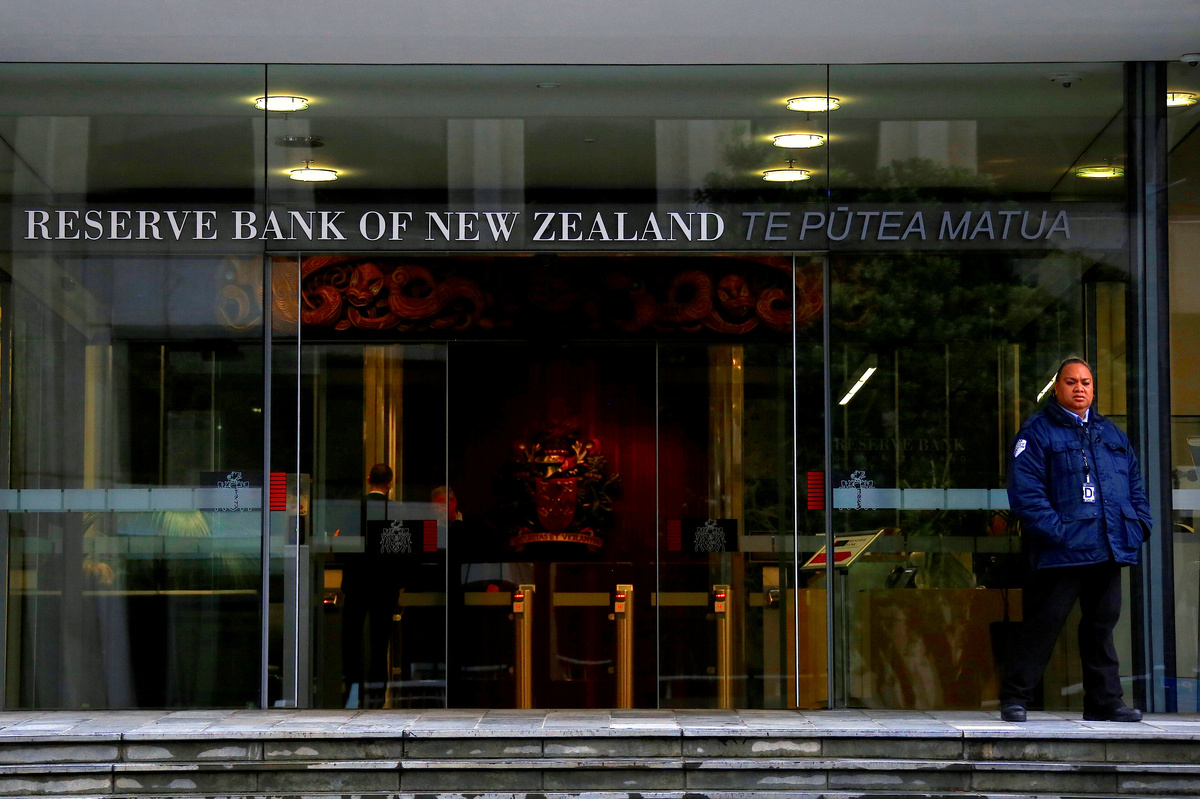
Those factors added weight to jitters over the Reserve Bank of New Zealand's (RBNZ) dovish turn the previous week.
"It suggests annual GDP will be below 2 percent in the first half ... it provides more justification for them to be cutting interest rates," NZIER principal economist Christina Leung said.
RBNZ governor Adrian Orr had surprised economists and markets in a rates decision last week by saying that its next move in interest rates was more likely to be a cut.
The negative outlook by businesses added to the chance of that taking place, according to economists. ASB Bank was now forecasting the bank would slash rates by 25 basis points from their current record low to 1.50 percent in May, followed by a second cut in August.
"The RBNZ now has unequivocal evidence that domestic demand is slowing much more sharply than expected and that NZ economic growth is becoming less likely to turn around on its own over 2019," said Jane Turner, senior economist at ASB Bank.
The NZIER said that pessimism was broad-based but particularly acute in the construction sector, which was struggling to pass on rising costs to clients, and the manufacturing sector, which was affected by minimum wage hikes given its concentration of low-wage workers.
A net 2 percent of firms expected to reduce investment in plant and machinery, the worst reading since 2012.
The survey's measure of capacity utilisation was 92.8 percent, from the previous quarter's 92.9 percent.
(Reporting by Charlotte Greenfield; editing by Grant McCool and Sam Holmes)