It’s New Year’s Eve at 2am. A&E is very busy with lots of drunk people. I’ve worked as a nurse in A&E for 12 years, and I’ve worked 10 New Year’s Eve night shifts. Why? It’s a trade-off; I volunteer for these night shifts and in return I get (most of) Christmas off to be with my family.
My shift starts at 8pm but by then I will have checked the staffing levels and allocated my team of nurses to the areas they are to work in. The shift starts with handover from the day team, the senior doctor and nurse tell me about any issues they have had and then then will hand over each and every patient in the department. I know already that the department will be full; hopefully, there will be one or two beds available to take the first couple of patients. As the senior nurse in the department, it is my role to keep the flow of patients moving – to ensure patients are treated and admitted or discharged as soon as safe so that beds will be available for the next patient coming in.
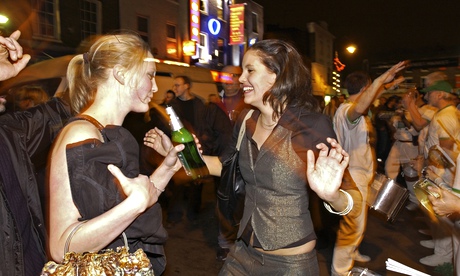
By about 10pm, I will have finished my insulated mug of tea and the trickle of ambulances bringing in drunk patients will be turning into a steady flow. Drunk patients fall into a couple of categories: the very drunk patient accompanied by three or four relatively sober friends; the solo drunk who is so unconscious that they have lost control of certain bodily functions; and the older drunks who have often become regulars to the department and sometimes know the staff by name.
All of the extra workload created by the intoxicated party-goers will be on top of the regular workload of an A&E department. People will still be ill, children will be poorly and accidents can, and often do, happen. Caring for a patient who is really unwell always feels especially poignant on nights such as New Year’s Eve, knowing that so many people are celebrating while this one person is so ill can be an emotional thought.
I remember one young man on New Year’s Eve a few years ago who had suffered a sudden and massive bleed in his brain, he was very ill and we had placed him on a life support machine; it was clear that this bleed was not survivable and that this man was going to die. I remember sitting with his distraught family and discussing the possibility of organ donation with them as the young man had been carrying an organ donor card.
The parallels between a year ending and a new year beginning, and this gentleman dying and potential organ recipients getting a new organ and beginning a new life seemed almost unbearably poignant. The patient was admitted to our intensive care unit and sadly I never heard what happened after that, but I’ve never forgotten him or his family. Stepping out of an emotionally charged situation such as the one above and out into a busy and noisy A&E department and dealing with a drunk vomiting into the dustbin can challenge even the most experienced staff, but that is what A&E nursing is all about.
I’m sure that midnight will pass us by; at some point, someone we will realise it’s after midnight and will vaguely wish each other a happy New Year. Many of the staff will bring in snacks and party food to keep us going through the night, I will be taking in some (alcohol-free) champagne to share with colleagues when we get a chance – probably about 4.30am. I love my job, I work with some amazing and talented nurses and doctors and I am proud of the very high level of care we deliver to all of our patients. Given the choice would I rather spend New Year’s Eve at a party with my husband, or at home while my toddler sleeps upstairs? Yes, of course I would, but this is my job and I will do it to the best of my ability, even at 3am on New Year’s Day.
If you would like to write a blogpost for Views from the NHS frontline, read our guidelines and get in touch by emailing healthcare@theguardian.com
Are you a member of our online community? Sign up to the Healthcare Professionals Network – for free – to receive weekly email updates on policy and best practice in the sector, as well as exclusive offers.