Nadia Sablin was born in the Soviet Union but spent her teenage years in America’s midwest. Most of her latest projects are shot in Russia, where she explores the villages and cities where her forefathers lived. Photograph: Nadia Sablin
nadiasablin.com
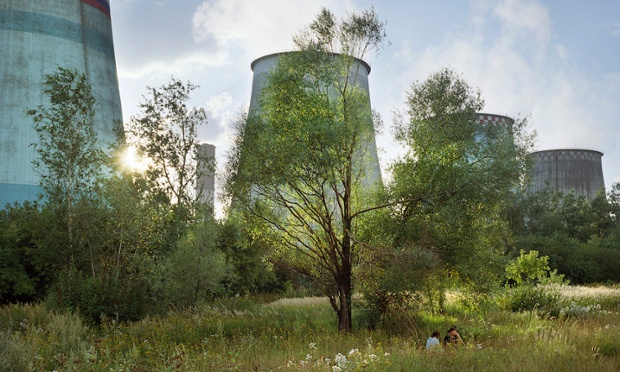
alexandergronsky.com
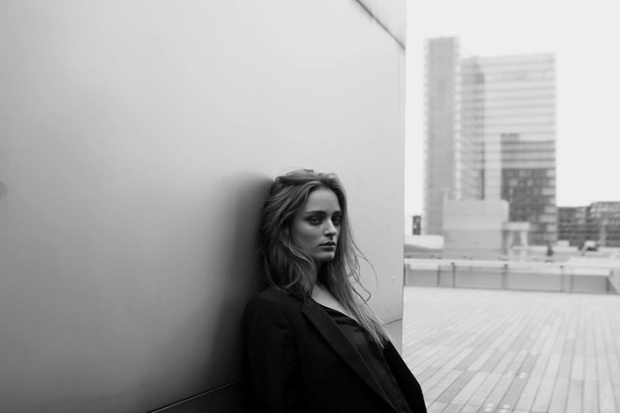
Based between Moscow and Paris, Abdeeva explores alternative approaches to fashion photography. While still conventionally beautiful, her shots are charged with alienation, always alluding to a bigger landscape and a more complex narrative. Photograph: Christina Abdeeva
christina-abdeeva.tumblr.com

Ivanova’s most celebrated projects are her chronicles of life today in Russia’s remote villages — small, fragile communities lost in the countryside. In her portraiture, her subjects feel both formal and emotional, like her shots of gay scene in pre-olympic Sochi. Photograph: Olya Ivanova
olyaivanova.com

Alexey Bogolepov’s main focus is architecture and the ideology of Modernism, both in the former Soviet states and worldwide. He explores the suburbs of big cities, both those built in Soviet times and more recently, striving to fix this space in a historical and visual culture. Photograph: Alexey Bogolepov
alexeybogolepov.com
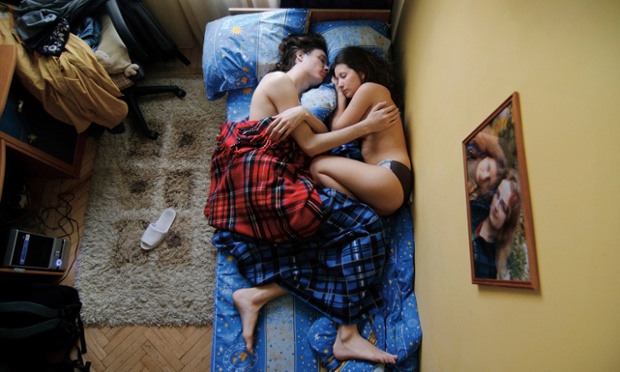
Romanova’s personal approach to political and social issues has won her international recognition. Waiting — intimate portraits of couples expecting babies — was an internet hit. Shvilishvili and Alphabet of Shared Words, deal with Russia’s troubled relationship with Georgia and Ukraine. Photograph: Jana Romanova
janaromanova.com

Based between London and Moscow, Anna Skladmann uses clear, powerful portraits to compile a quasi-ethnographic catalogue of Russia’s social and historical diversity: holidaymakers on the Black Sea, workers at a meat market, the pampered offspring of oligarchs — all stare down the camera. Photograph: Anna Skladmann
annaskladmann.com

Based in Brooklyn, Rudensky is part of the new generation of photographers who left Russia as children but returned in the noughties to rediscover the country, camera in hand. Her visual essays Remains and Novij Mir combine the aestheticising view of an outsider with an insider’s affection. Photograph: Sasha Rudensky
sasharudensky.com
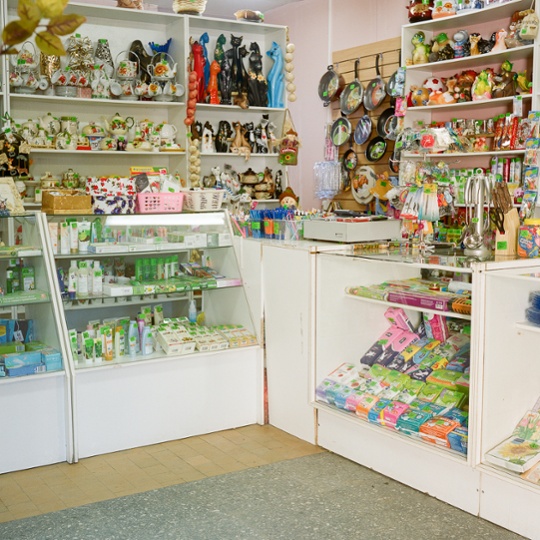
Like many of her peers Anastasia Tsayder documents everyday Russia, but unlike most she’s chosen interiors over landscapes, documenting the intimacy of dimly lit rooms in village houses or the tacky, cluttered social spaces of schools and hospitals. Photograph: Anastasia Tsayder
tsayder.com
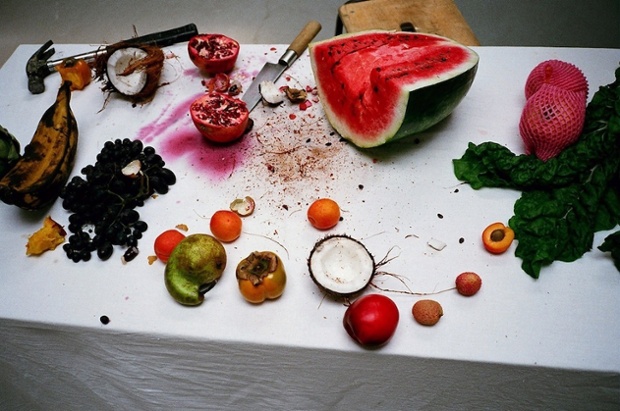
Bazhenova shoots fashion editorials for leading titles like Pop, Interview and Husk but remains true to her avant-garde approach with images that channel 18th-century still lives even as they play games with focus and sexual innuendo. Photograph: Ekaterina Bazhenova
yekate.com
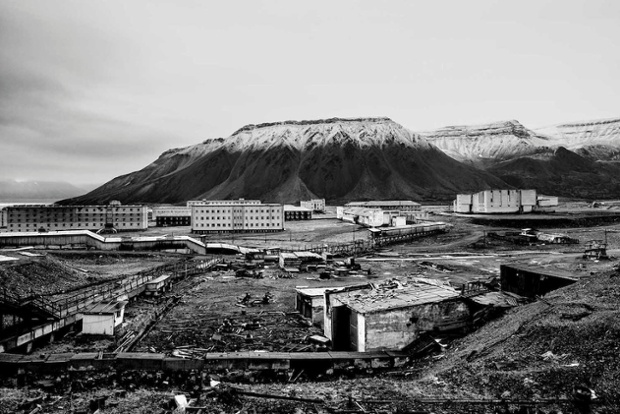
London-based Anna Filipova documents Russia’s far north, as well as the Russian mining community at Barentsburg, in Svalbard. She pictures them in black and white, which, in her words, is “free from the distraction of colour to create a serious tone of documentation”. Photograph: Anna Filipova
anfilip.com
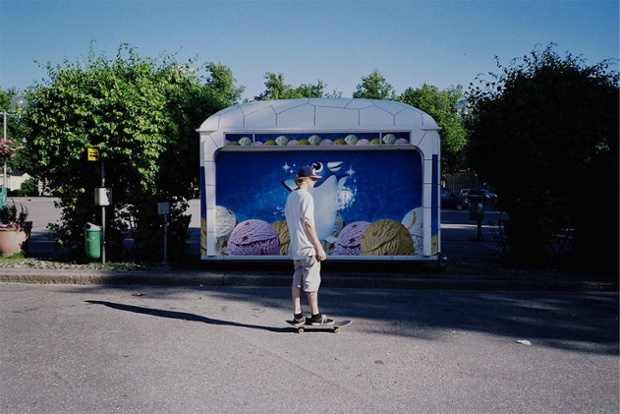
Before turning to photography, Veryovkin studied astrophysics at university and he makes constant references to his discipline in his images. Using manual and digital tools to manipulate images, he reflects on the relationship between photography and time. Photograph: Alexander Veryovkin
alexanderveryovkin.com

Demianova is a pioneer of the female gaze in Russian photography. When she’s not busy applying her experimental style to model test shoots, she likes to photograph friends in the suburbs of her hometown Moscow. Photograph: Masha Demianova
mashademianova.com

Evgenia Arbugaeva was born in the Arctic town of Tiksi and continues to document life in the Russian North, with a gaze that is at once, clear, personal and slightly naive. Arbugaeva is now represented by galleries in New York and Paris and her works exhibited around the world. Photograph: Evgenia Arbugaeva
evgeniaarbugaeva.com
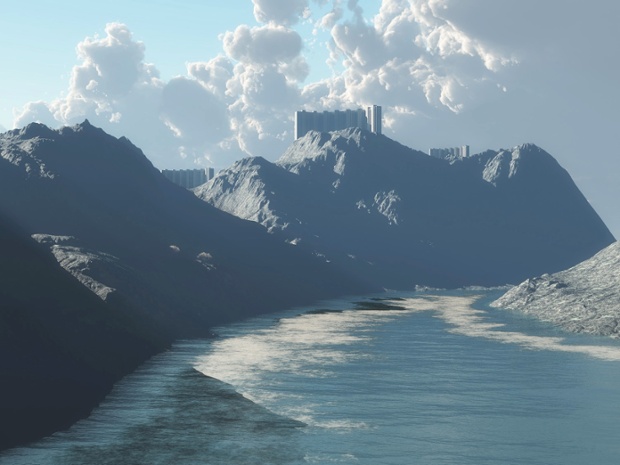
Another photographer to take Russia’s unrelenting suburbs as his muse, artist and photographer Kirill Savchenkov seeks to reveal the psychology of its inhabitants. His photography explores utopian ideas in projects like Atlas and Umwelt. Photograph: Kirill Savchenkov
kirillsavchenkov.com
Follow Anastasiia Fedorova @anastasiia_f

Based in Yekaterinburg, Fedor Telkov documents his native Ural region. Together with collaborator Sergey Poteryaev, he is creating a catalogue of people, situations, interiors and landscapes, with a particular focus on the dwindling populations of native, non-Russian peoples like the Mari people and Mansi. Photograph: Fedor Telkov
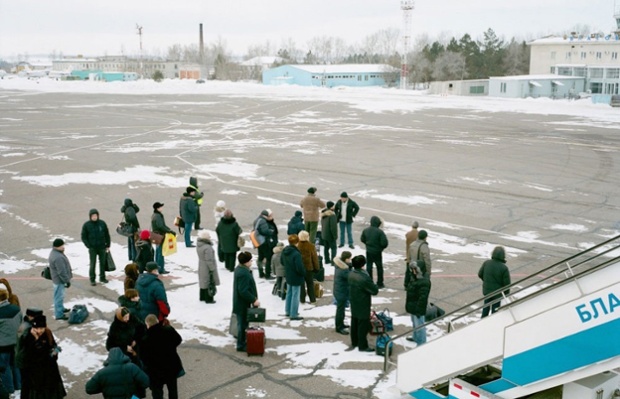
Max Sher’s Russian Palimpsest is an ambitious attempt to create a photographic catalogue of the vast country and to introduce a new visual language by which to understand Russia. Sher prefers to capture the everyday, from regional airports to petrol stations. Photograph: Max Sher
maxsher.com
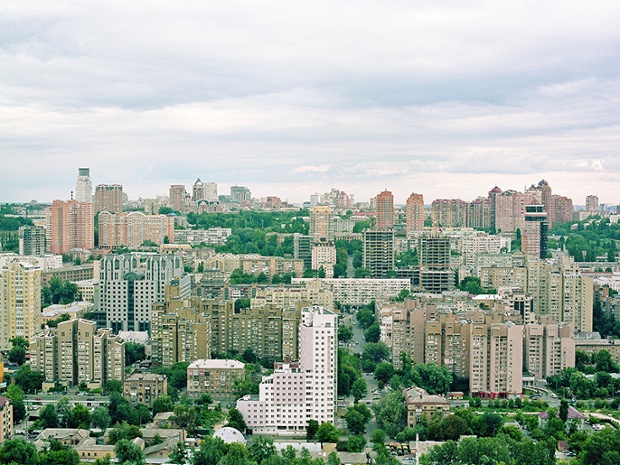
Egor Rogalev’s main interest is the post-Soviet landscape, its inhabitants and the transformations that the urban and social environment are going through. He travels around Russia and former Soviet countries, but remains committed to exploring the suburbs of his native St Petersburg. Photograph: Egor Rogalev
egorrogalev.com
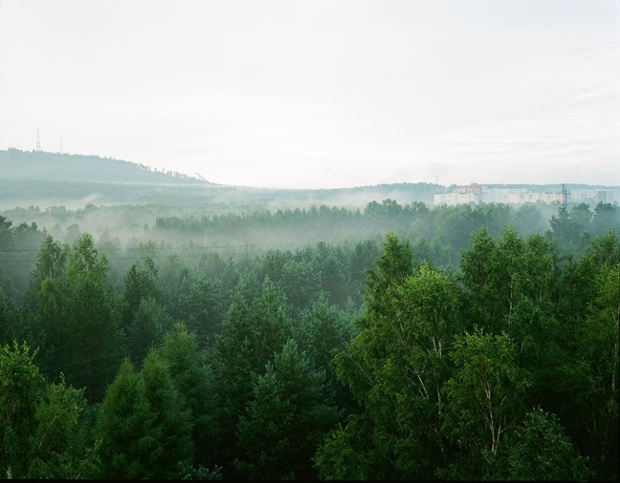
In Liza Faktor’s work, looking is often more important than finding. The theme of searching has recurred in her many exhibitions: for the most enchanting Siberian landscape, for the perfect place to live in the Russian countryside, or for balance between public and private. Photograph: Liza Faktor
lizafaktor.com

Slava Mogutin is a writer, multi-disciplinary artist and photographer. Now based in New York after being driven from Russia, his main subjects are lost boys and fellow artists, his uncompromising content ranging from romantic homoeroticism to slap-in-the-face obscenity. Photograph: Slava Mogutin
slavamogutin.com
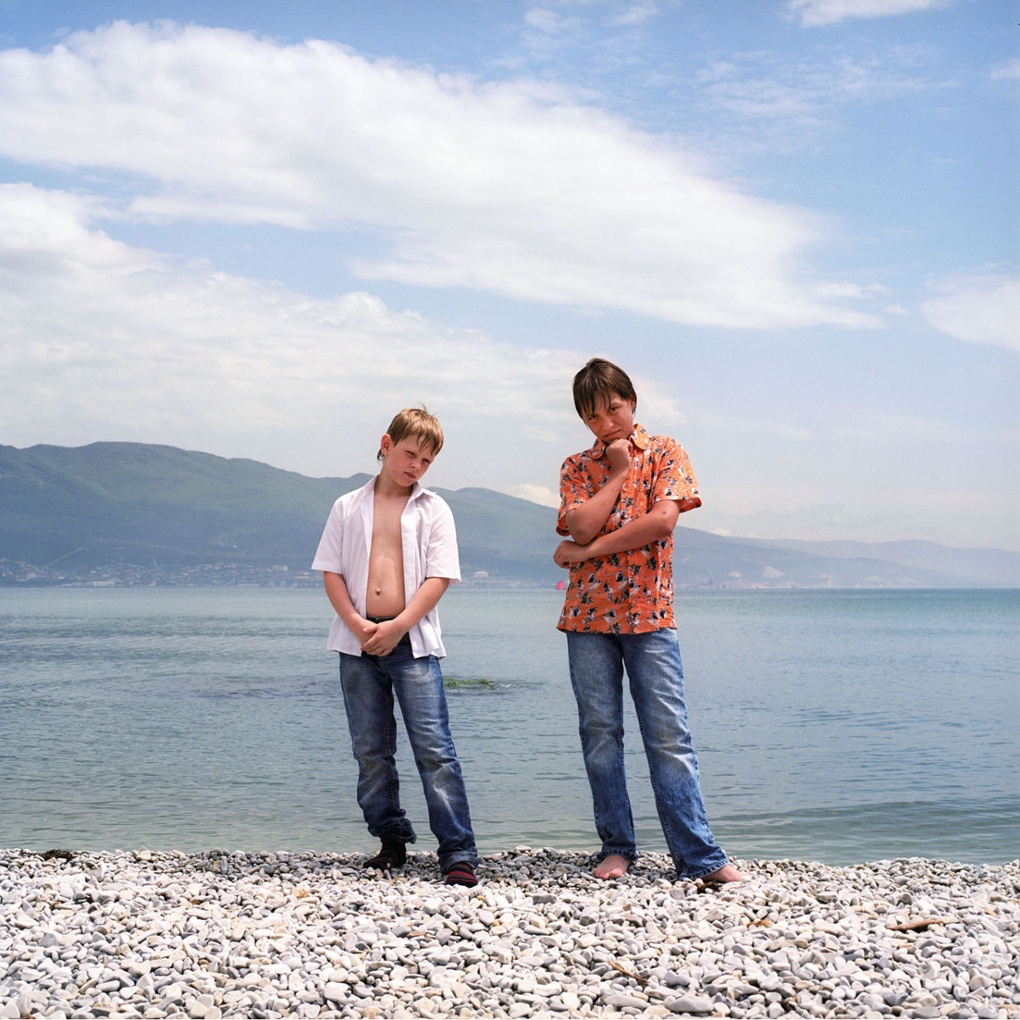
London-based Gruzdeva draws inspiration from western artists and art theory, though issues connecting the past and present in Russia remain central to her work. She is currently working on a project investigating Russia’s post-Soviet consciousness, identity and aesthetics. Photograph: Maria Gruzdeva
mariagruzdeva.com
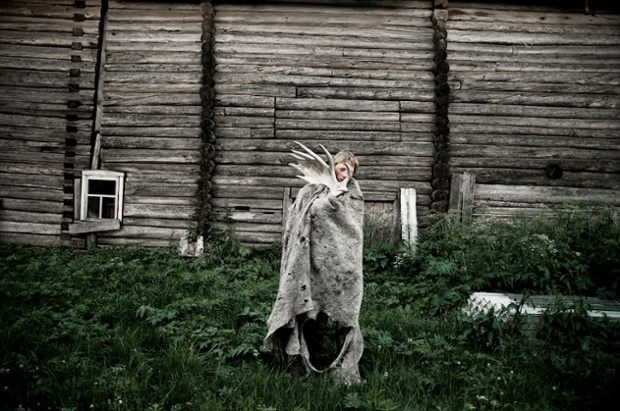
Daria Tuminas defines herself as both a photographer and a folklorist. Working from Amsterdam, she uses the myths and legends that grow up in small towns and villages to tell deeply personal stories, and glimpse the fairy-tale world that lurks beneath the surface of country life in Russia. Photograph: Daria Tuminas
dariatuminas.com
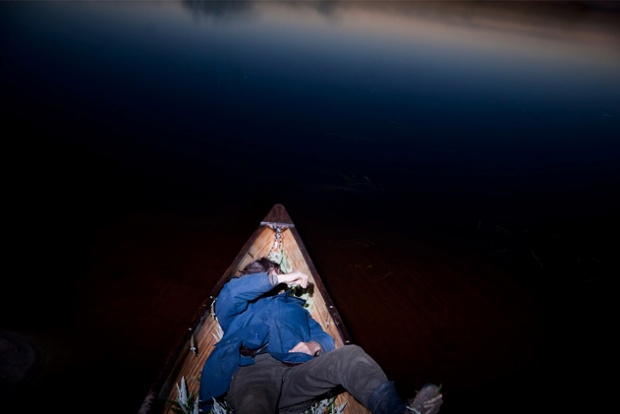
One of the young stars to emerge from Moscow’s Rodchenko Art School, Igor Samolet’s first photo book Be Happy! in 2013, won international recognition for its depictions of wild youth. His work feels very Russian and very contemporary, using personal experiences and unexpected combinations of image and object. Photograph: Igor Samolet

Margo Ovcharenko works with adolescence, sexuality and definitions of masculinity and femininity. The results can be tough or tender, sensual or cold, but they are always ultimately sincere. Photograph: Margo Ovcharenko
margoovcharenko.com