CARACAS, Venezuela �� Venezuela's newly convened assembly ousted Chief Prosecutor Luisa Ortega Diaz, the highest-ranking member of President Nicolas Maduro's administration to break ranks.
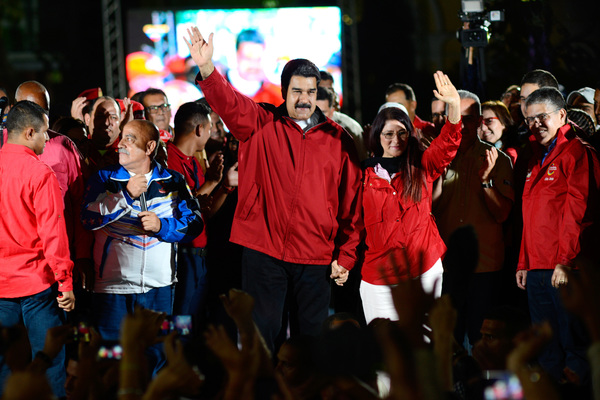
The assembly, chosen in a controversial election last Sunday that the opposition boycotted, voted Saturday to permanently remove Ortega Diaz from her post after the Supreme Court ruled Friday evening to suspend her and send her to trial.
Human rights ombudsman Tarek William Saab, a Maduro supporter, was named as her replacement.
National Guard officers earlier surrounded Ortega Diaz's Caracas offices. She posted photographs of the uniformed guards outside the building on her Twitter account and labeled it a "siege." The Public Ministry's Twitter account said the guards were not allowing workers to enter or leave.
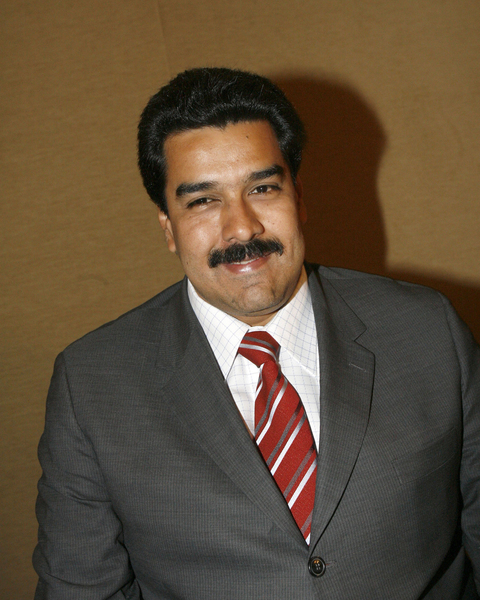
Ortega Diaz has become a dissident voice, calling the government out on repression against street protesters and making a stand against the new assembly, saying it tramples on basic rights. She said Saturday that Maduro wanted to halt her investigation into alleged bribes paid by the Brazilian construction company Odebrecht to government officials.
Diosdado Cabello, second in command of the ruling socialist party, said the ouster "was not an act of lynching."
The new assembly could have the power to supplant the opposition-controlled congress, although Maduro promises it will bring "justice and peace." A day after last Sunday's election, Maduro jailed two prominent opposition leaders and was personally sanctioned by the U.S., which accused him of undermining democracy. Additional U.S. actions are possible, including moves against Venezuelan oil exports.
Meanwhile, Venezuela was suspended from the trade bloc Mercosur for the second time in the past year after foreign ministers from Brazil, Argentina, Uruguay and Paraguay met in Sao Paulo, Brazil. Mercosur members said the suspension would continue until democratic order is restored.
H.R. McMaster, the White House national security adviser, said in a television interview Saturday that "democracy is over right now in Venezuela," but dismissed the threat of military intervention there.
"The seating of this constituent assembly, it is a _ it is a watershed," McMaster said on MSNBC. The Venezuelan people "are suffering all kinds of depredations based on the failed policies of two regimes now."
����
(Gilbert reported from Buenos Aires. Andrew Rosati contributed to this report.)