The UK has confirmed a further 218,724 Covid-19 cases in yet another daily record, as worries grow over the sheer number of the workforce who are isolating.
The latest figures have been published as the UK await a fresh Downing Street press conference with Prime Minister Boris Johnson.
Today's figures also confirmed 48 deaths within 28 days of a positive test, in a 52% rise on last week's total.
Hospitalisations are also on the rise by 51% in comparison to last week, with 1,924 new patients being admitted to hospital across the past 24 hours.
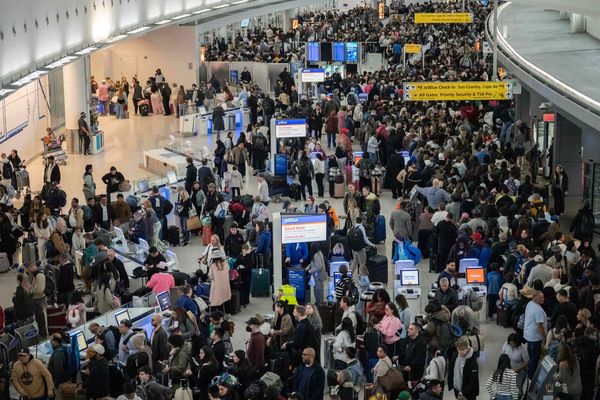
The highly transmissible Omicron variant has been driving record high case rates and workforce shortages, while around six hospitals have declared critical incidents due to the rise in admissions.
But a number of studies have confirmed Omicron is a milder strain than the previously-dominant Delta.
The PM will hold a crunch Cabinet meeting on Covid rules as England’s restrictions face an official review tomorrow, but ministers have insisted "Plan B is working".
The latest figures come as an expert who was instrumental to the UK's first lockdown said Covid cases should start to drop across the UK in the next one to three weeks.
Prof Ferguson, of Imperial College London and Sage member, told BBC Radio 4’s Today programme: “I think I’m cautiously optimistic that infection rates in London in that key 18 to 50 age group - which has been driving the Omicron epidemic - may possibly have plateaued.
“It’s too early to say whether they’re going down yet, but I think... this epidemic has spread so quickly in that group it hasn’t had time to really spread into the older age groups, which are at much greater risk of severe outcomes and hospitalisation, so we may see a different pattern in hospitalisations.

“Hospitalisations are still generally going up across the country and we may see high levels for some weeks.
“I would say that, with an epidemic which has been spreading so quickly and reaching such high numbers, it can’t sustain those numbers forever, so we would expect to see case numbers start to come down in the next week, maybe already coming down in London, but in other regions a week to three weeks.
“Whether they then drop precipitously, or we see a pattern a bit like we saw with Delta back in July of an initial drop and then quite a high plateau, remains to be seen.
“It’s just too difficult to interpret current mixing trends and what the effect of opening schools again will be.”

It is looking doubtful the Prime Minister will introduce any new curbs on life in the UK to stem the rapidly growing numbers.
Currently the government has imposed "Plan B", which involves advising people to work from home, ordering masks on public transport and shops, and forcing punters at nightclubs and other venues to prove they’ve had a vaccine or negative test.
Vaccines Minister Maggie Throup insisted Plan B "is working", pointing to figures showing fewer Covid-19 patients are in hospital compared with last year.
Boris Johnson is expected to be briefed on the data today, and hold a Cabinet meeting tomorrow morning.
He or Health Secretary Sajid Javid will then formally update MPs at around 4pm tomorrow, the day England’s Covid rules are officially reviewed. Mr Johnson will hold the first PMQs since Christmas at the later time of 3pm tomorrow.
Yet the PM's spokesman said today: “At the moment we don’t see any data to suggest further restrictions would be the right approach.”