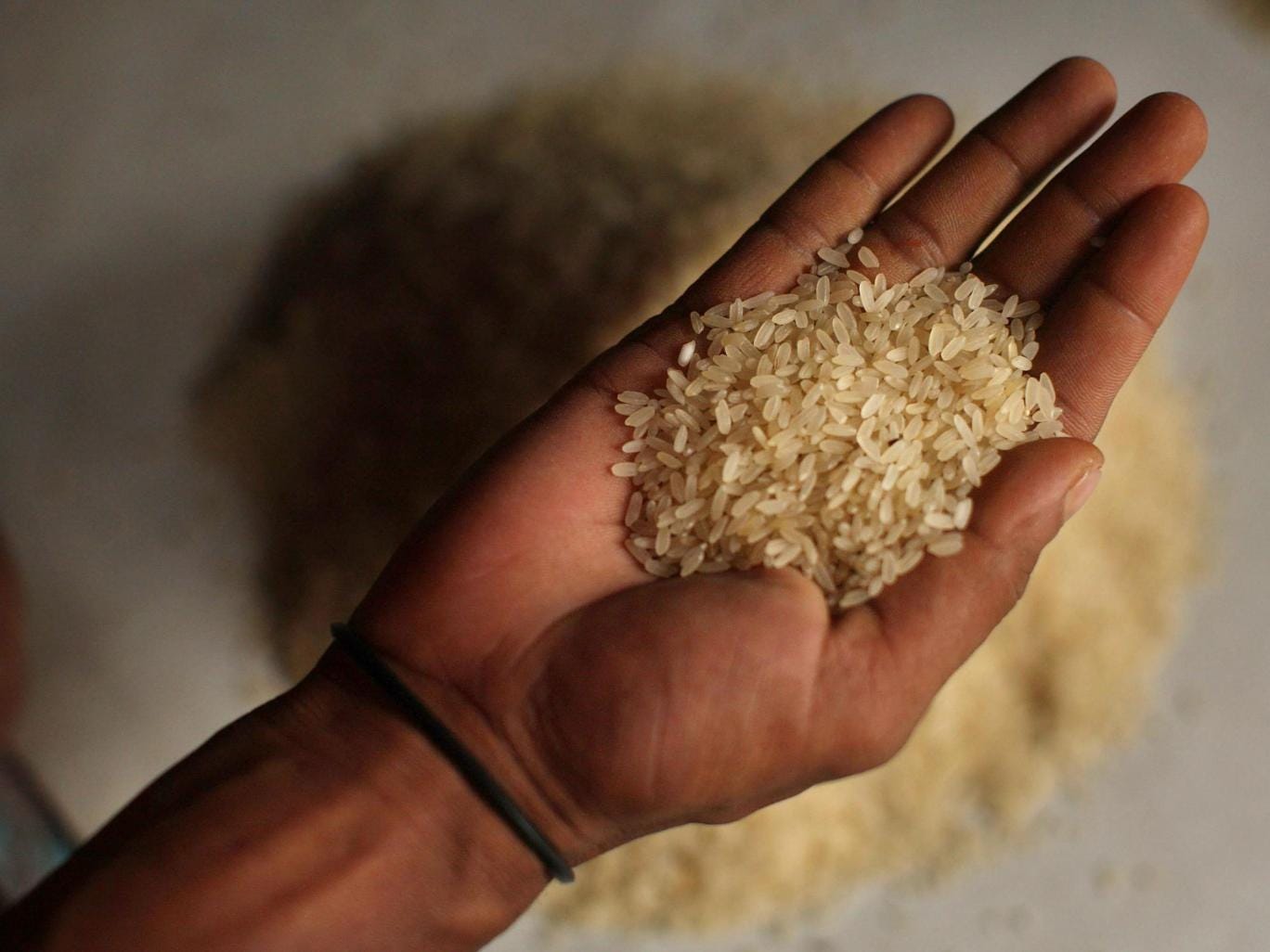
The production of rice – a grain that feeds half the world’s population - is to be bolstered with new DNA technology, in a breakthrough hailed by scientists as the next “green revolution".
Using a huge bank of rice varieties stored in the Philippines along with cutting edge Chinese technology, scientists have completed the DNA sequencing of more than 3,000 of the most significant types of rice.
With the vast pool of data scientists hope to produce higher-yielding varieties of rice, scientists told AFP.
Other potential varieties include rice resistant to certain pests and disease, or that contain greater volumes of certain nutrients and vitamins.
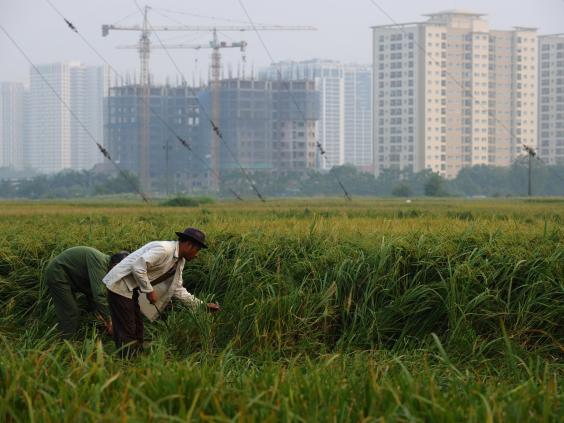
The genome sequencing project took four years and involved decoding rice DNA.
It was primarily undertaken in China by BGI – the world’s biggest genome sequencing firm - and used leaf samples from the International Rice Research Institute’s (IRRI) gene bank of 127,000 varieties.
For the last 100 years, breeders have isolated traits in rice, such as disease resistance and high yields, and developed them through cross breeding.
However, this breakthrough in molecular genetics promises to fast-track this process, meaning better rice varieties can be developed and passed on to farmers in less than three years, instead of an expected 12 years without DNA sequencing.
A key priority for IRRI is to pack more nutrients into rice, evolving it into a tool to fight illness linked to inadequate diets in poor countries and lifestyle diseases in wealthier countries.
"We're interested to understand the nutritional value.... we're looking into the enrichment of micronutrients," Nese Sreenivasulu, the Indian head of the IRRI's grain quality and nutrition centre told AFP.
Dr Nese suggests Type-2 diabetes could be quelled by breeding varieties of rice that will release sugar into the bloodstream more slowly.
Scientists also hope to breed rice with higher amounts of zinc, preventing stunting and fatalities from diarrhea.
Scientists behind the project hope it will lead to a second "green revolution".
The first began in the 1960s when the creation of higher-yielding varieties of wheat and rice was credited with preventing global food shortages, however these earlier efforts have been subdued in recent years.
"This will be a big help to strengthen food security for rice eaters,” said Dr Kenneth McNally, an American biochemist at the IRRI.