At a time when British relevance in the world seems to be shrinking, it is good to know that the UK still excels at some things.
“We’re the best-addressed country in the world,” says Giles Rhys Jones, chief marketing officer for What3Words (it’s a tech start-up, but don’t let that put you off). And he thinks he can make us even better-addressed.
The UK’s combination of (usually) straightforward street addresses together with a system of (usually) highly specific postcodes means that you can swiftly find your way to the right house on the right Victoria Road – that being the most popular street name in Britain.
In other developed countries (France, Spain, the US), postal codes cover too wide an area, while in certain cities – yes, Venice and Tokyo, I’m looking at you – the street numbering system is fiendishly complicated.
You could laboriously tap a long string of numbers into a GPS device. But history is replete with tragedies, including several fatal air crashes, involving mistaken coordinates.
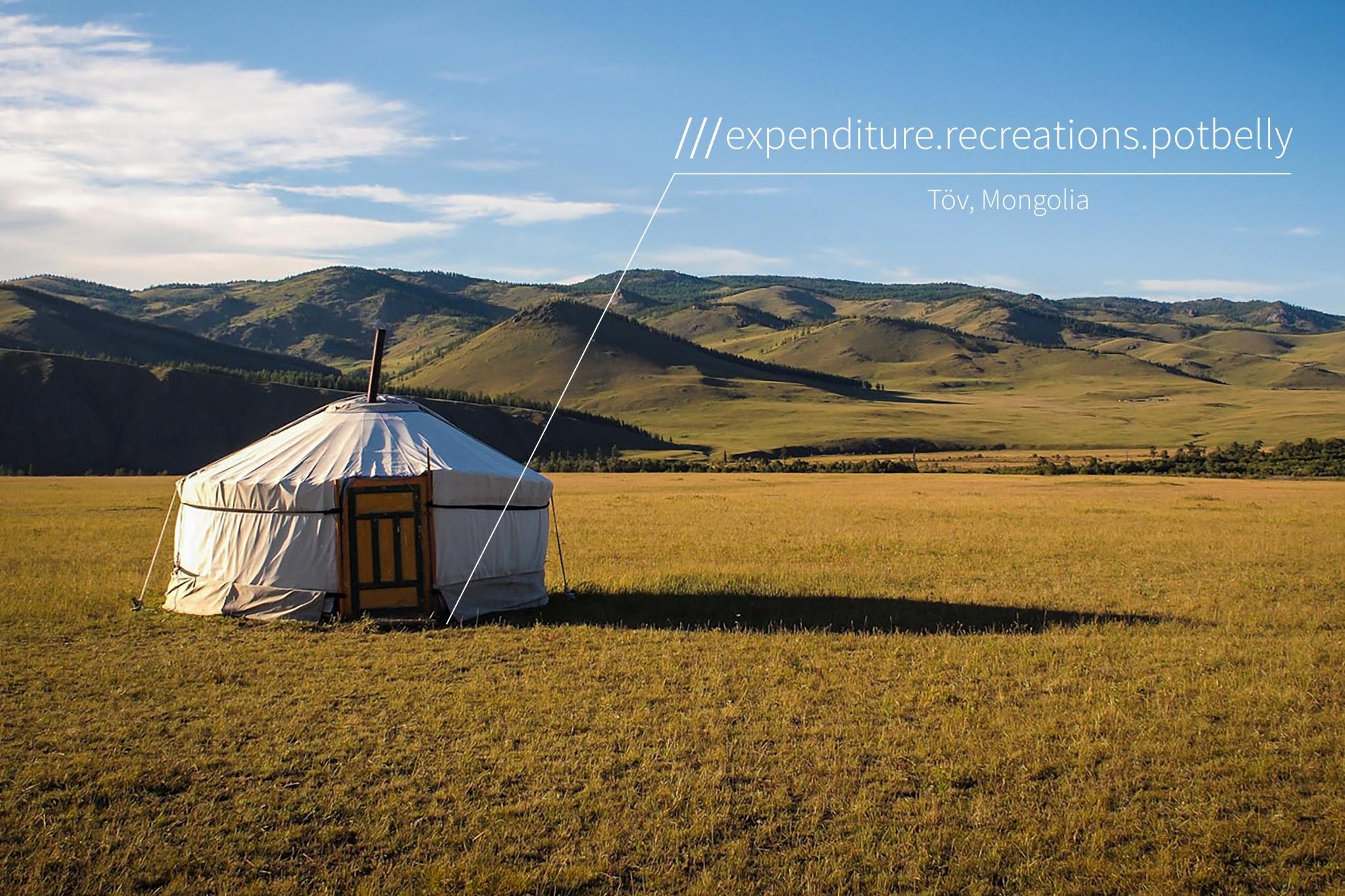
Now there’s an appealingly simple solution, says Giles: “Wherever you are in the world, wherever you want to get to in the world, you can use three simple words to describe it.” The idea is to divide up the earth into 3m x 3m squares – generating 57 trillion squares in total – and give each one a unique three-word name.
In case you haven’t instantly calculated the cube root in your head, that means you need 38,485 words in your collection. With all manner of derivatives permitted, that is not a difficult number to achieve. Some notable three-word addresses: the front door of number 10 Downing Street is at drum.larger.occupy; the centre of the Stonehenge ring seems to correspond with valve.simply.overture; and the top of Blackpool tower is sizes.crunch.rods.
Download the What3Words app to your smartphone, and the trio of words translates to a specific spot on the map – in the case of an airport, for example, the main entrance.
As with any enterprise involving the English language, a certain amount of editing has had to take place: no rude words, no homophones (hear and here). Yet there are more than enough words to go around the world, and indeed the moon.
Intellectually impressive, certainly. But the system becomes useful only when you know your destination’s three-word address. In time, it’s likely that hotels, airports and the like might include a What3Words address in their contact details. Until then, your guidebook may oblige.
Lonely Planet, the world’s leading travel guide firm, is now including three-word addresses for each of the locations in the latest edition of one of its guidebooks – to a nation which may not feature in your immediate journey plans, unless they include rail travel between Russia and China.
Should you find yourself in Mongolia with the Lonely Planet guidebook and a smartphone, the frustrating business of trying to transliterate an address in the book to the Cyrillic script on a wonky street sign may end. You want to find the Gandan Khiid Monastery? No need to find it on a map filled with implausibly long street addresses; just type in upstarts.gangs.shuffle.
Why Mongolia? The postal system and national bank in this barren, far-flung country has already seized upon the What3Words system to impose some order on good-natured chaos.
The guidebook still has a printed map, for those occasions when your smartphone battery dies, or you run up a £57 trillion bill for data roaming.
You may already have spotted a floor flaw: in a multi-storey building, such as a hotel, a three-metre square is going to include a lot of separate locations. What3Words is working on solutions, says Rhys Jones.
Meanwhile, he says: “We are on a mission to become the global standard for talking about location. We believe that better addressing will make the world a less frustrating, much more efficient and safer place.”