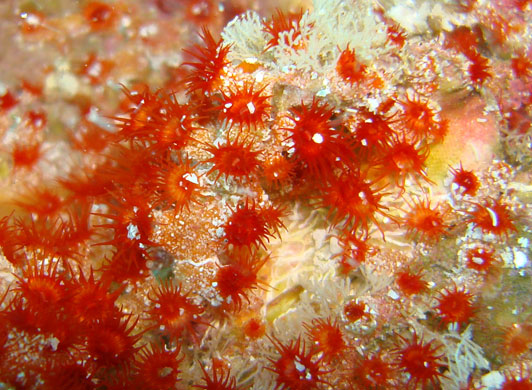
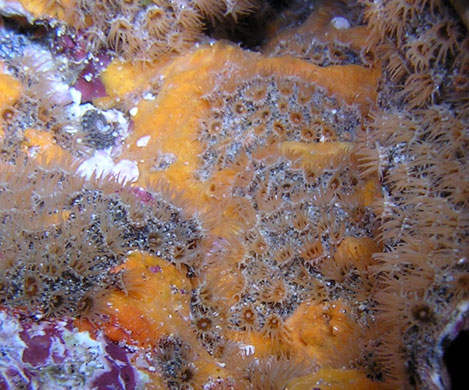
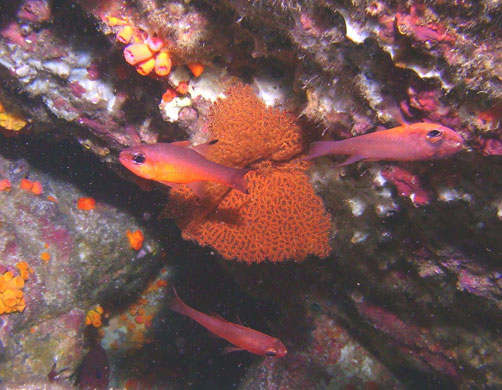
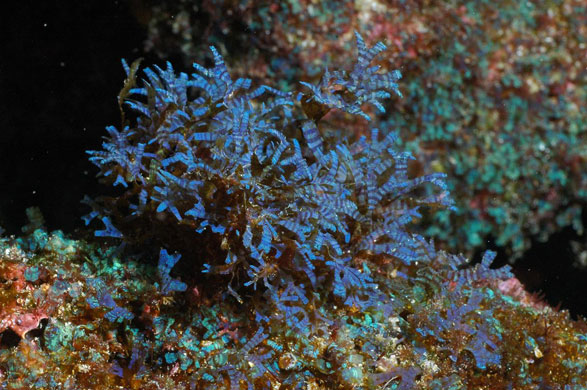
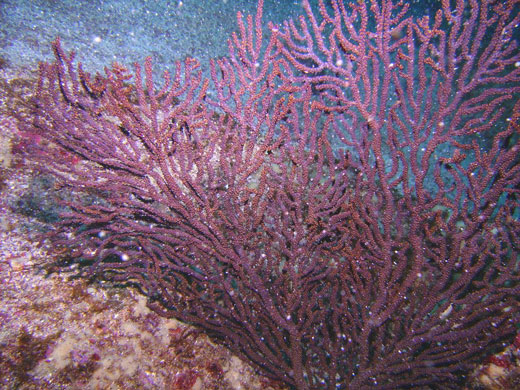
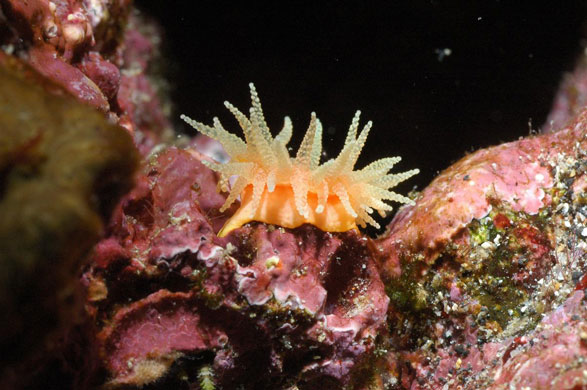
Coral from the genera Hydrozoanthus, believed to be new to the Galapagos and science. The reefs support thousands of species, including many rare and endemic coralsPhotograph: PRParazoanthus coral species new to science and the Galapagos. The three-year project was the most comprehensive study undertaken to date in the remote northern Galapagos island using innovative mapping and rapid assessment techniquesPhotograph: PRPacifigorgia coral was found by the team for the first time in the Galapagos. The coral reefs of the Galapagos islands contribute significantly to species richness and diversity in the Galapagos Marine ReservePhotograph: PR
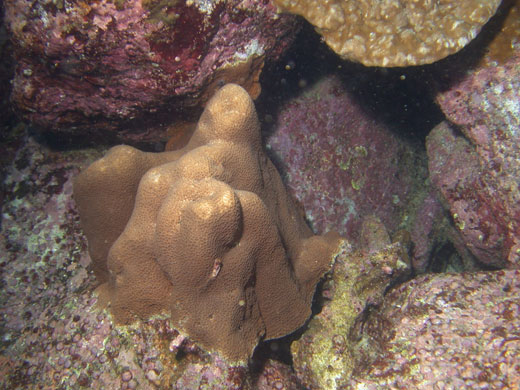
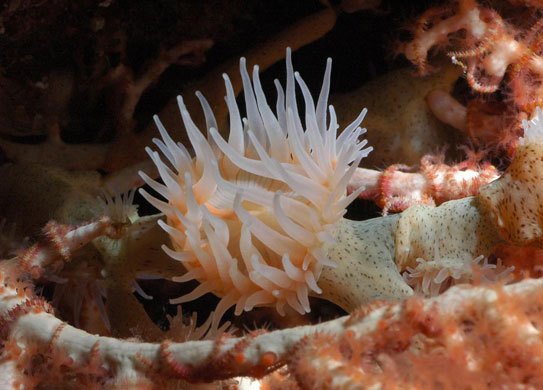
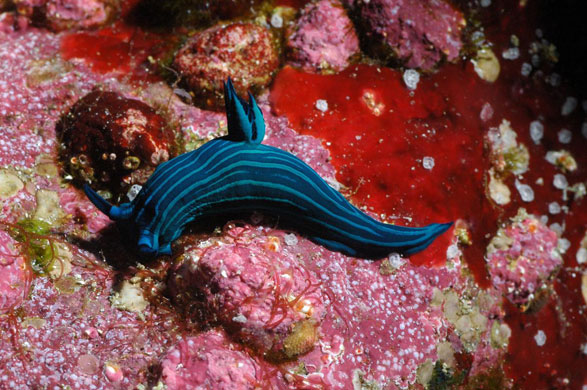
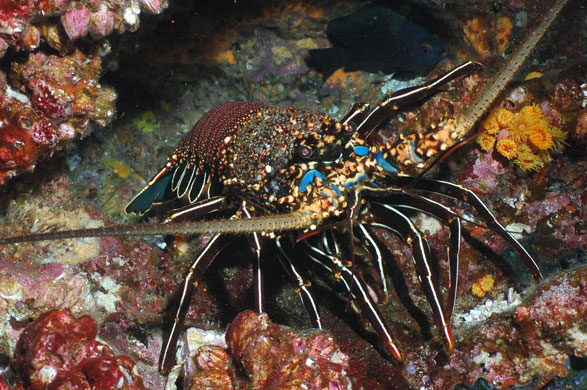
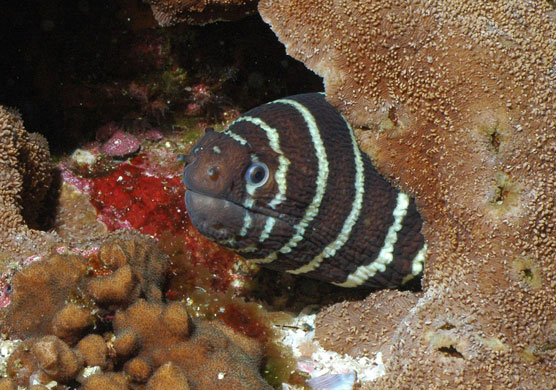
Gardineroseris planulata coral, thought to have become extinct during 1997-98, but the project rediscovered several separate but small colonies at the Wolf and Darwin island sitesPhotograph: PRDarwin algae growing on coral at the Darwin island sitePhotograph: PRMuricea coral. These reef ecosystems are major biodiversity hotspots with remarkable numbers of sharks, tuna, turtles, and dolphins all ecologically linked to the area’s reef complexesPhotograph: PRAn anemone found at Marchena island in the GalapagosPhotograph: PRGorgonian anemone. The project also engaged the fishing and tourism industries for improved management of the marine environment through tourism, dive guides and fishers, and established permanent mooring buoys to avoid boat anchor damagePhotograph: PRA nudibranch, a form of marine mollusc, also known as a 'sea slug'. There are more than 3,000 species of nudibranch. This one rests against brightly coloured coral at the Wolf island sitePhotograph: PRA spiny lobster photographed at the Wolf island sitePhotograph: PRZebra moray eel also photographed on the expeditionsPhotograph: PR
Sign up to read this article
Read news from 100’s of titles, curated specifically for you.