new species found in the deep water off Antarctica
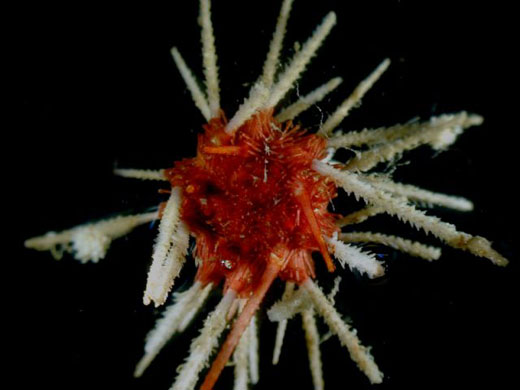
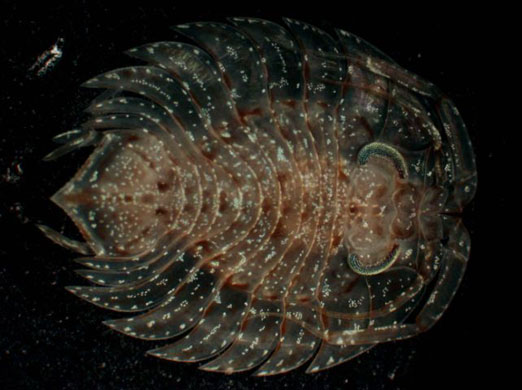
CtenocidarisPhotograph: Armin Rose/German Centre for Marine Biodiversity; DZMBIsopod ceratoserolisPhotograph: Wiebke Br keland/German Centre for Marine Biodiversity; DZMBGlass spongePhotograph: Armin Rose/German Centre for Marine Biodiversity; DZMB
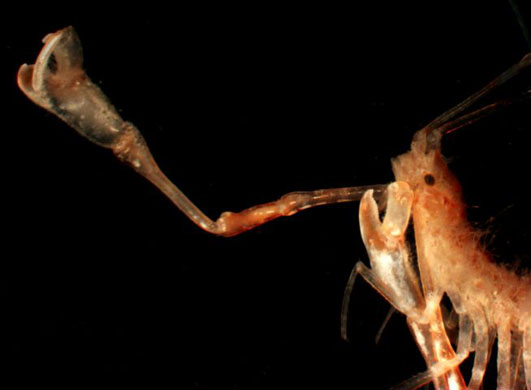
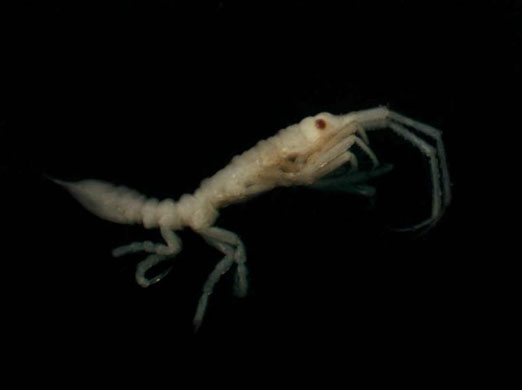
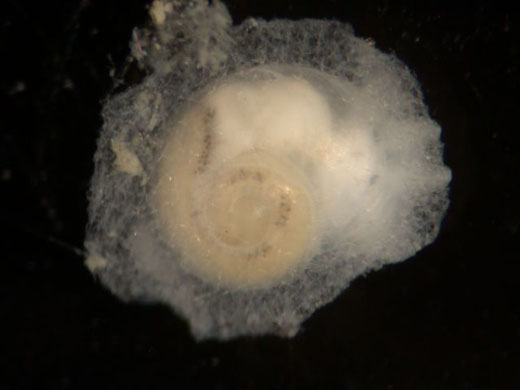
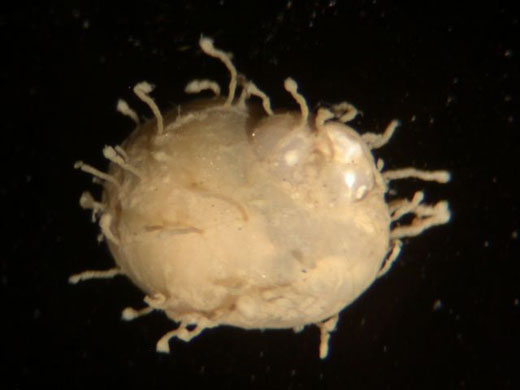
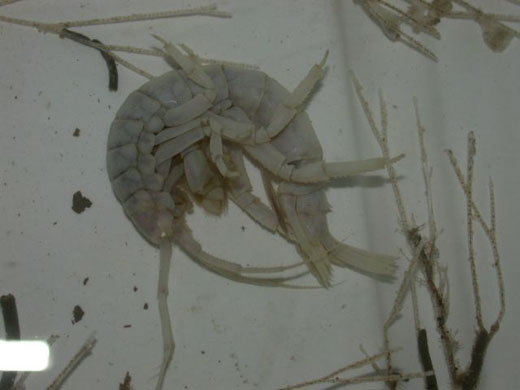
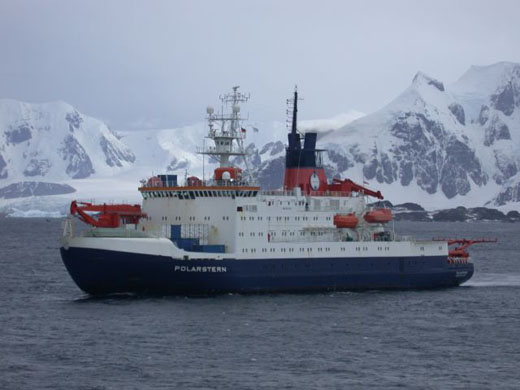
Munna malePhotograph: Wiebke Br keland/German Centre for Marine Biodiversity; DZMBCylindrarcturusPhotograph: Wiebke Br keland/German Centre for Marine Biodiversity; DZMBGastropod: A ew species of gastropod that lives on the seafloor of the Antarctic deep sea. The shell and the snail within it can be seen through a layer of mantle tissue that protects the shell. Altough living in the dark, this species has developed eyes Photograph: British Antarctic SurveyCarniverous moonsnail: This carnivorous moonsnail lives in the Antarctic deep sea. It can detect food from a wide distance. Polyps, covering its shell, use the moonsnail as transport to food sourcesPhotograph: British Antarctic SurveyAmphiod crustacean: The crustacean family Epimeriidae have successfully developed new species in Antarctica. This pink species is new to sciences and the first deep sea member of this groupPhotograph: British Antarctic SurveyGiant amphipod: Most of the deep-sea crustaceans are less than 1 cm in size, but this species of Paraceradocus can reach more than 5 cm in length. The white colour is an adaptation to the deep sea as related species from the Antarctic shallow waters are bright redPhotograph: British Antarctic SurveyRV Polarstern in Marguerite Bay. The three expeditions aboard the Polarstern were part of the Antarctic benthic deep-sea biodiversity project. A team from 14 research organisations from around the world investigated the seafloor landscape to build a picture of this little known region of the oceanPhotograph: German Centre for Marine Biodiversity; DZMB
Sign up to read this article
Read news from 100’s of titles, curated specifically for you.