New species discovered by British Antarctic Survey
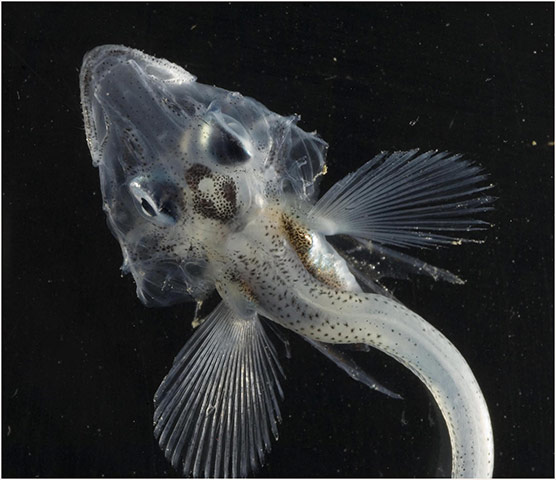
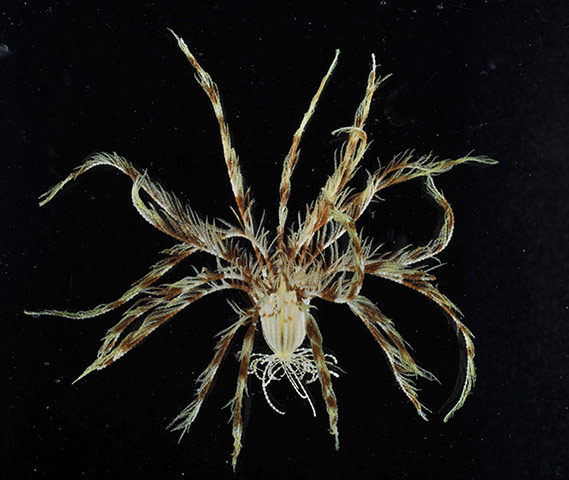
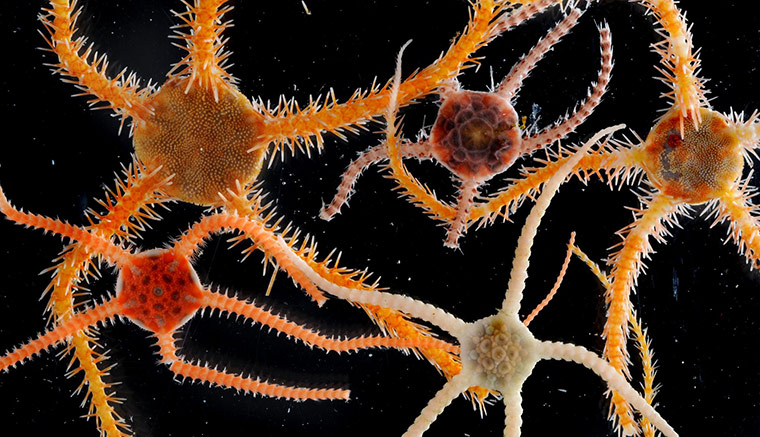
This transparent ice fish has no red blood cells and glycerol in its blood acting as an antifreeze.Photograph: British Antarctic SurveyMobile as both an adult and larvae, the Feather star eats phytoplankton (marine algae) and could be used to track the changing patterns of marine algae.Photograph: British Antarctic SurveyBrightly coloured Brittle stars make up an important part of seafloor communities around Antarctica.Photograph: British Antarctic Survey
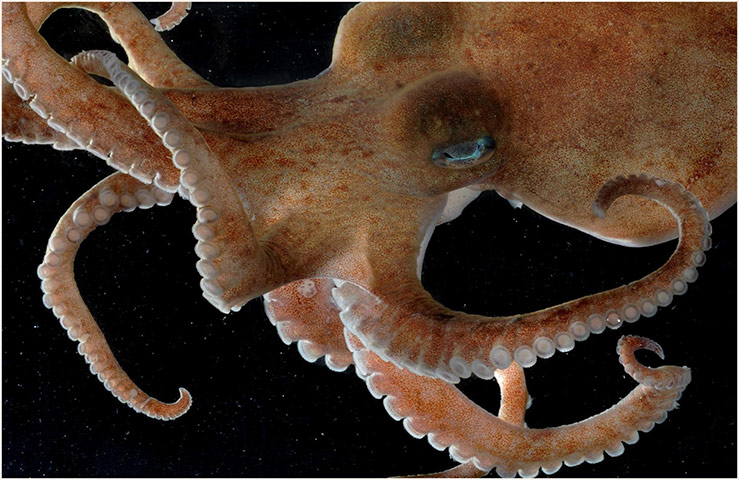
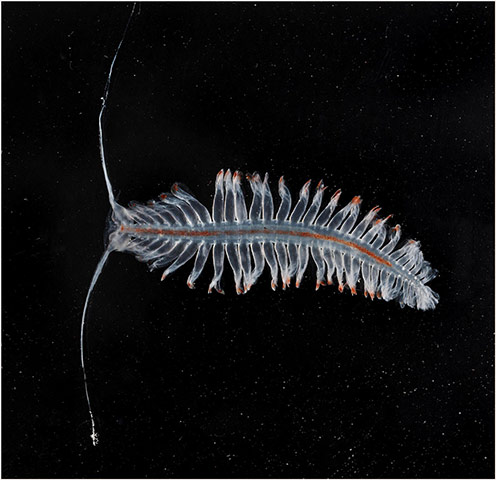
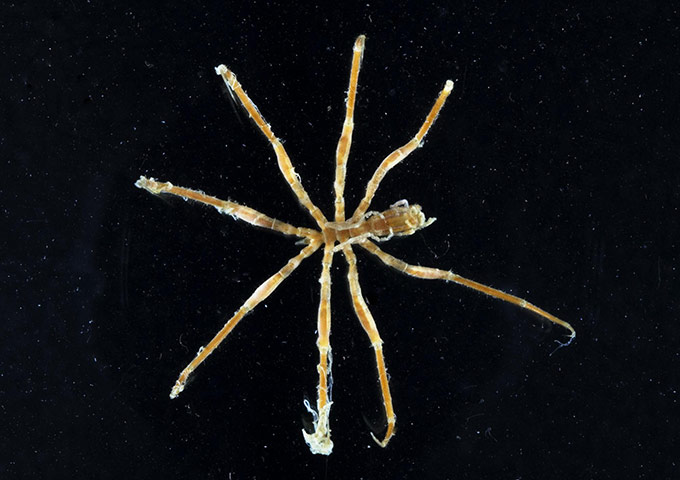
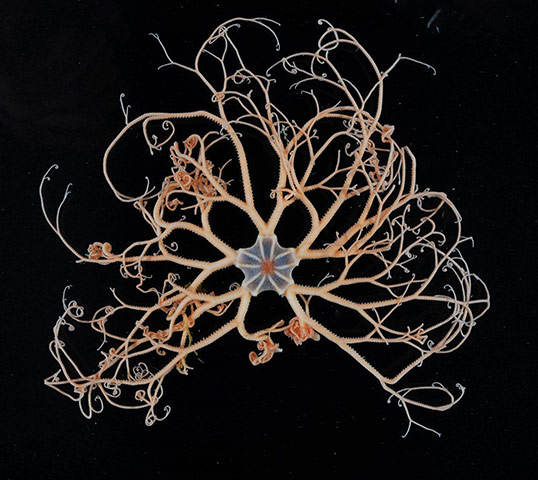
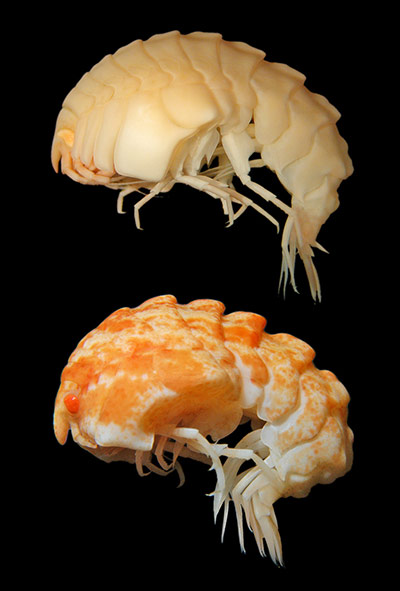
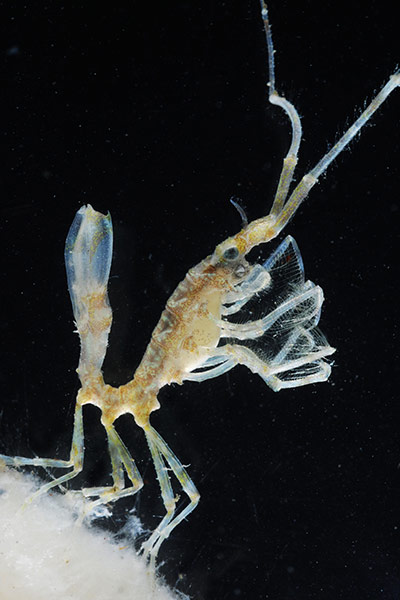
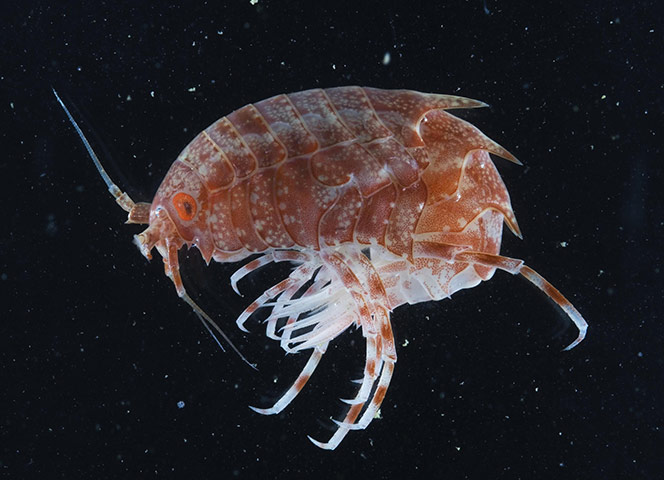
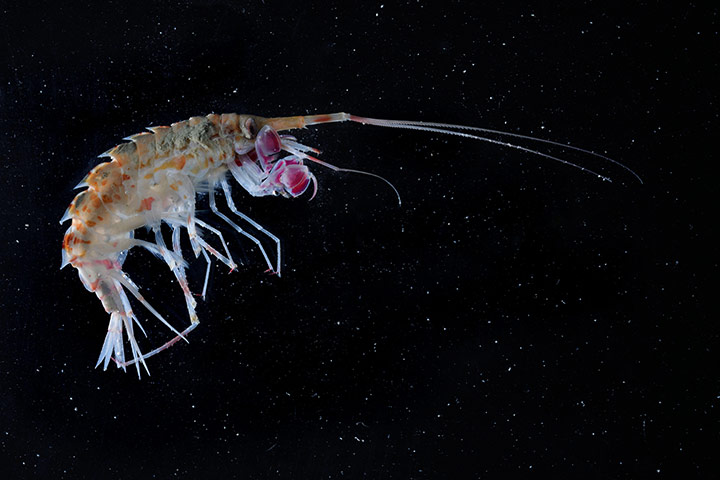
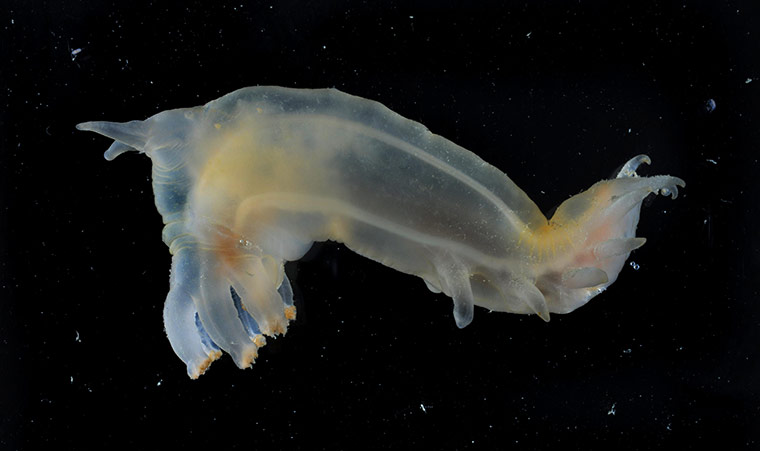
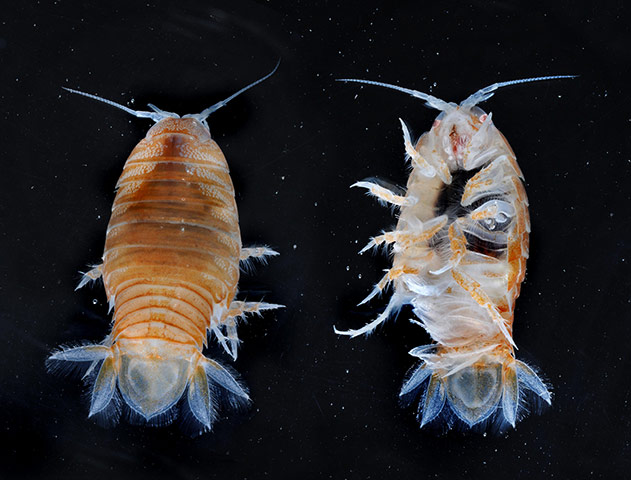
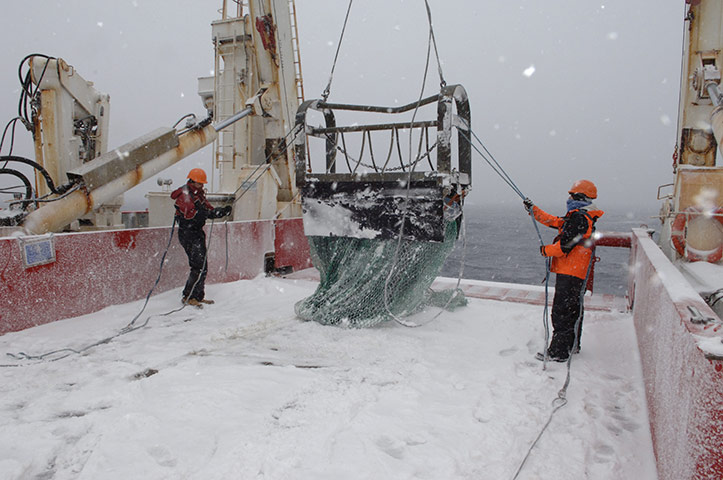
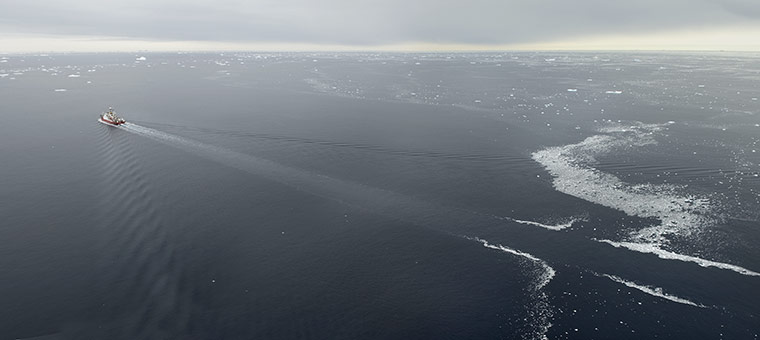
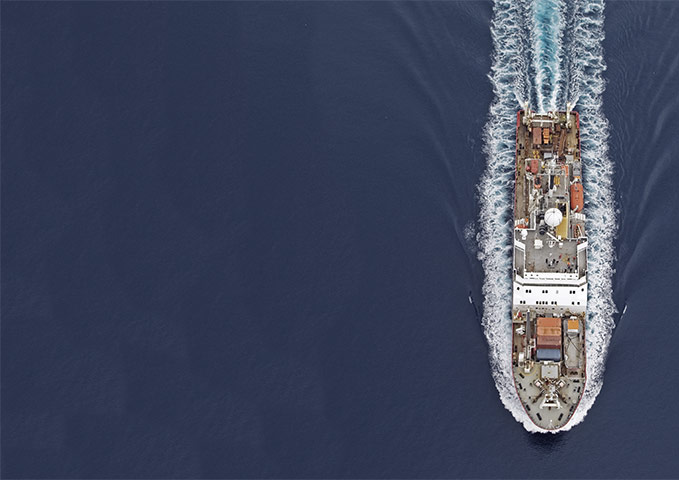
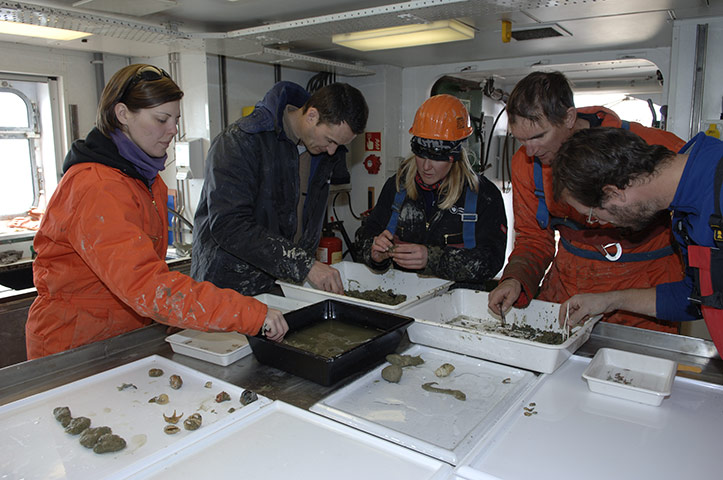
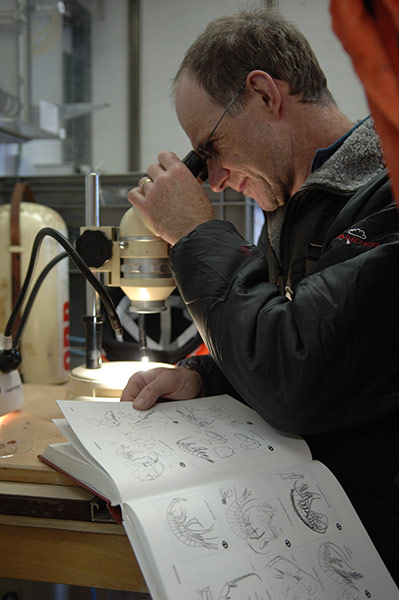
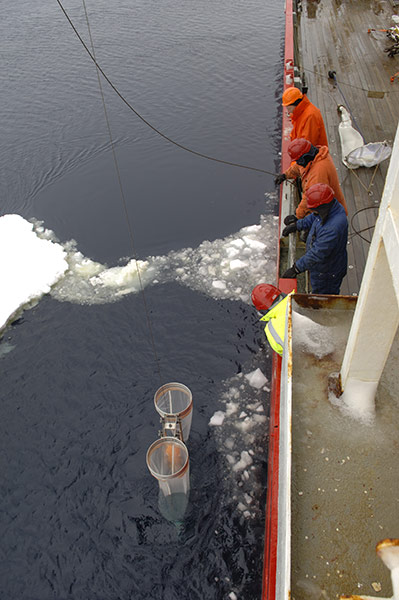
Octopus are one of the more common species found in the waters of Antarctica. Photograph: British Antarctic SurveySome species of Polychaete worm have bioluminescence and produce light through chemical reactions.Photograph: British Antarctic SurveyThe Serolid isopod is known as the woodlouse of the sea and are among the hundreds of new species discovered in the deep sea.Photograph: British Antarctic SurveyThe sea spider is common to Antarctica and can grow far larger size than their warm water relatives.Photograph: British Antarctic SurveyThe elegant Gorganocephalus, or Basket star, was photographed branching its arms out after being intertwined with an octocoral. It feeds on food floating by in the water above the seabed.Photograph: British Antarctic SurveyThe Amphipod crustacean at the top is an as yet unnamed species found to be different from the one below, Epimeria georgiana, through the use of DNA barcoding.Photograph: British Antarctic SurveyAntarcturus, an isopod crustacean.Photograph: British Antarctic SurveyAn Iphimediidae amphipod.Photograph: British Antarctic SurveyA Eusiridae amphipod.Photograph: British Antarctic SurveyA Holothurian - also known as a sea cucumber. Photograph: British Antarctic SurveyA Natatolano isopod.Photograph: British Antarctic SurveyTwo British Antarctic Survey scientists collecting and identifying marine life for the Census of Antarctic Marine Life.Photograph: British Antarctic SurveyThe British research team covers a huge stretch of icy Antarctic waters.Photograph: James Clark Ross/British Antarctic SurveyThe ship carrying the scientists at work on the census of marine life.Photograph: James Clark Ross/British Antarctic SurveyMembers of the team collecting and identifying marine life.Photograph: British Antarctic SurveyA scientist studies Antarctic crustaceans.Photograph: British Antarctic SurveyCollecting samples as part of the marine life survey.Photograph: British Antarctic Survey
Sign up to read this article
Read news from 100’s of titles, curated specifically for you.