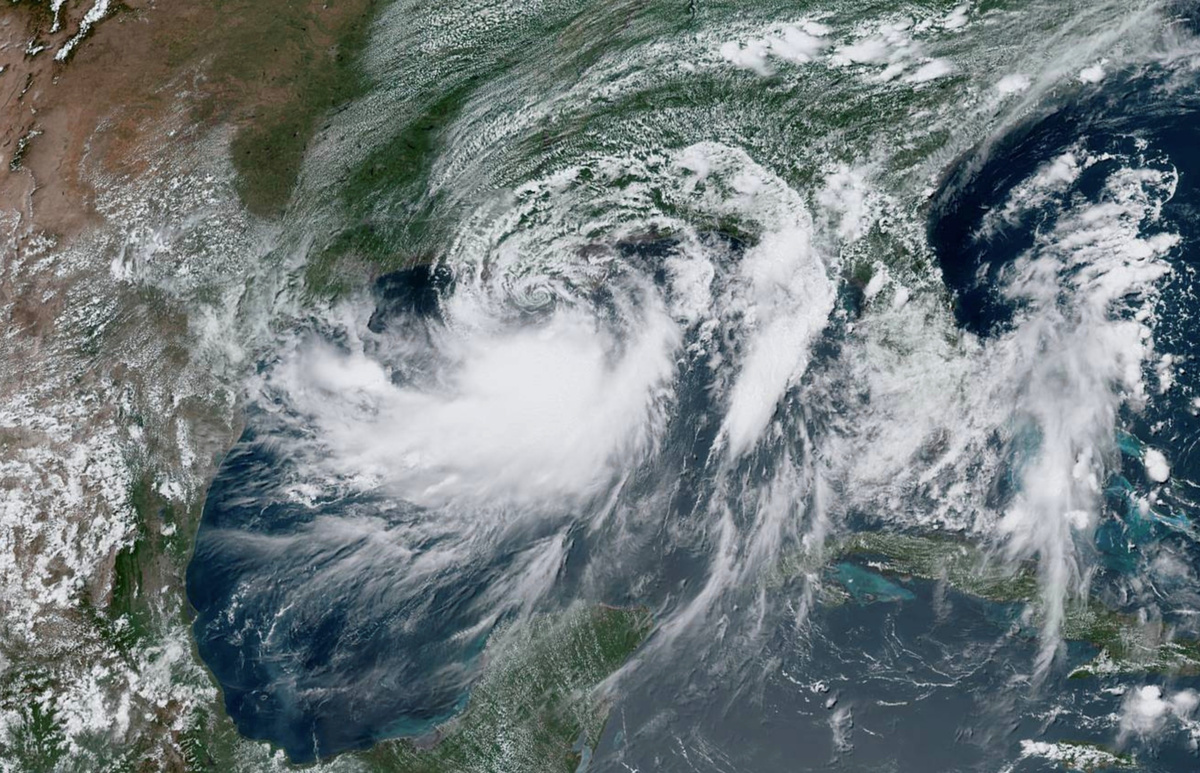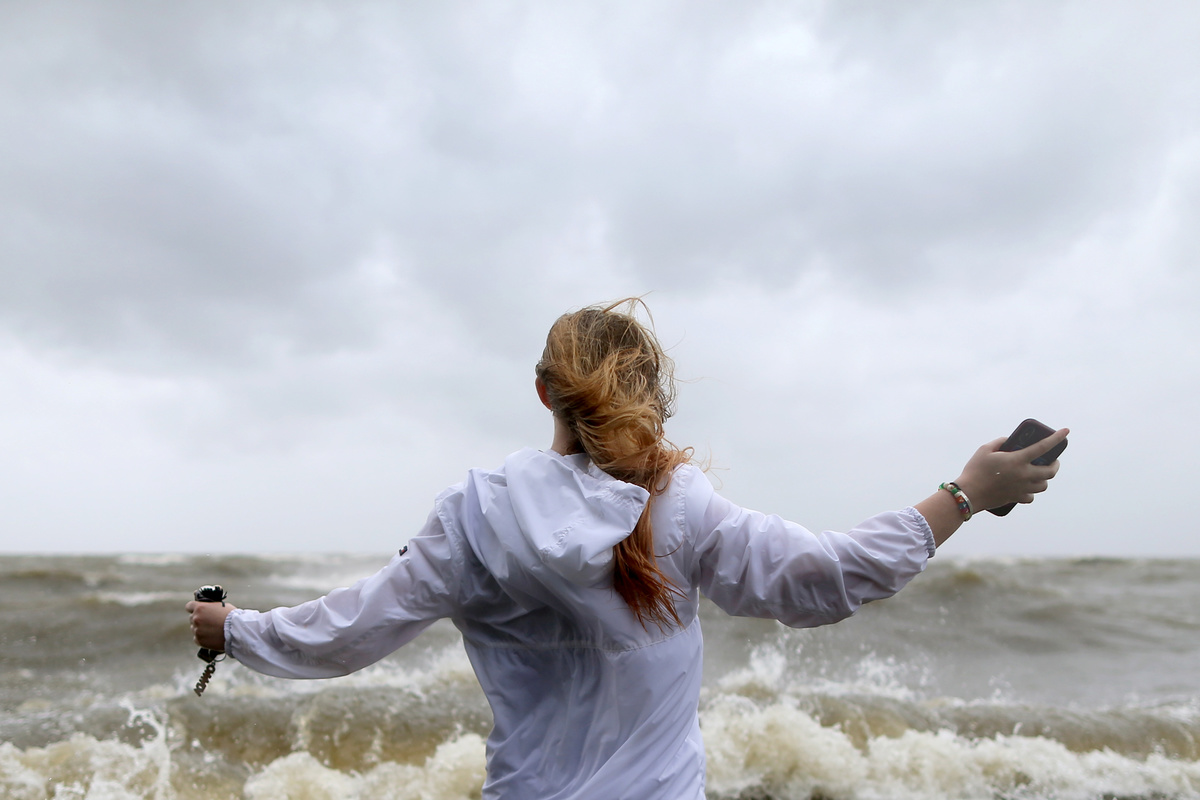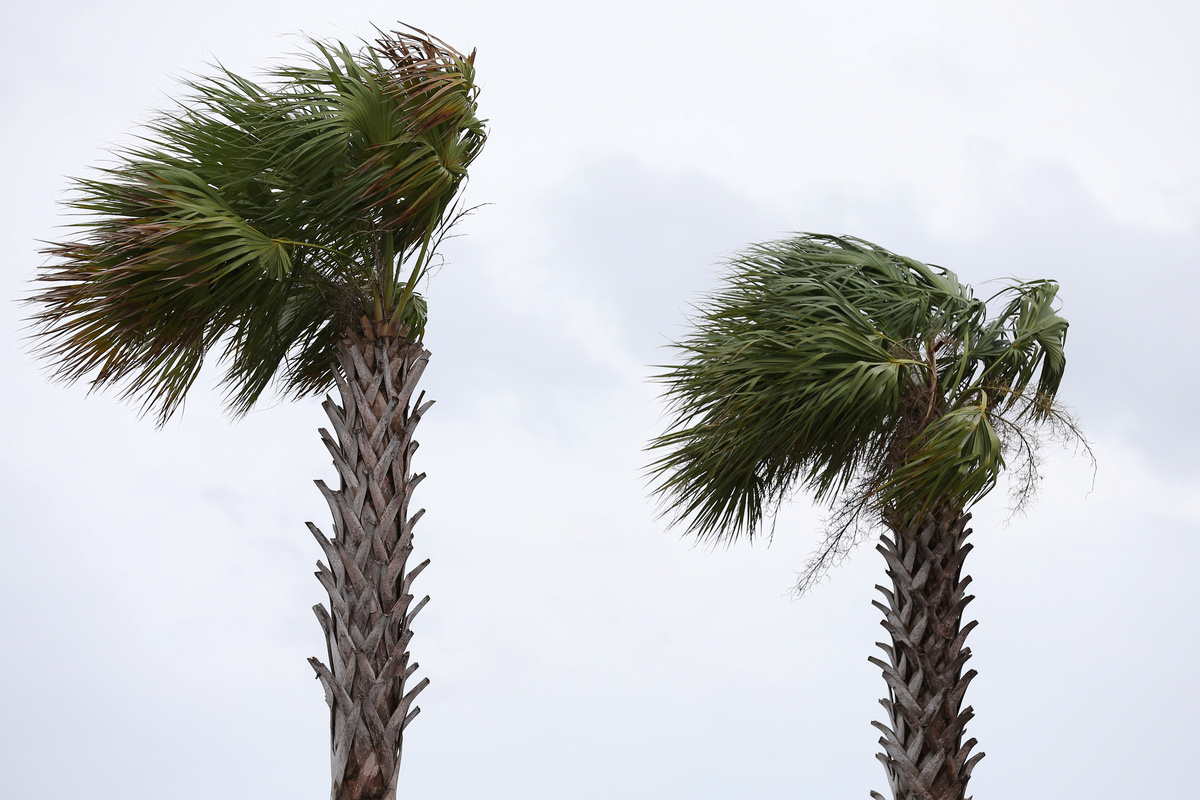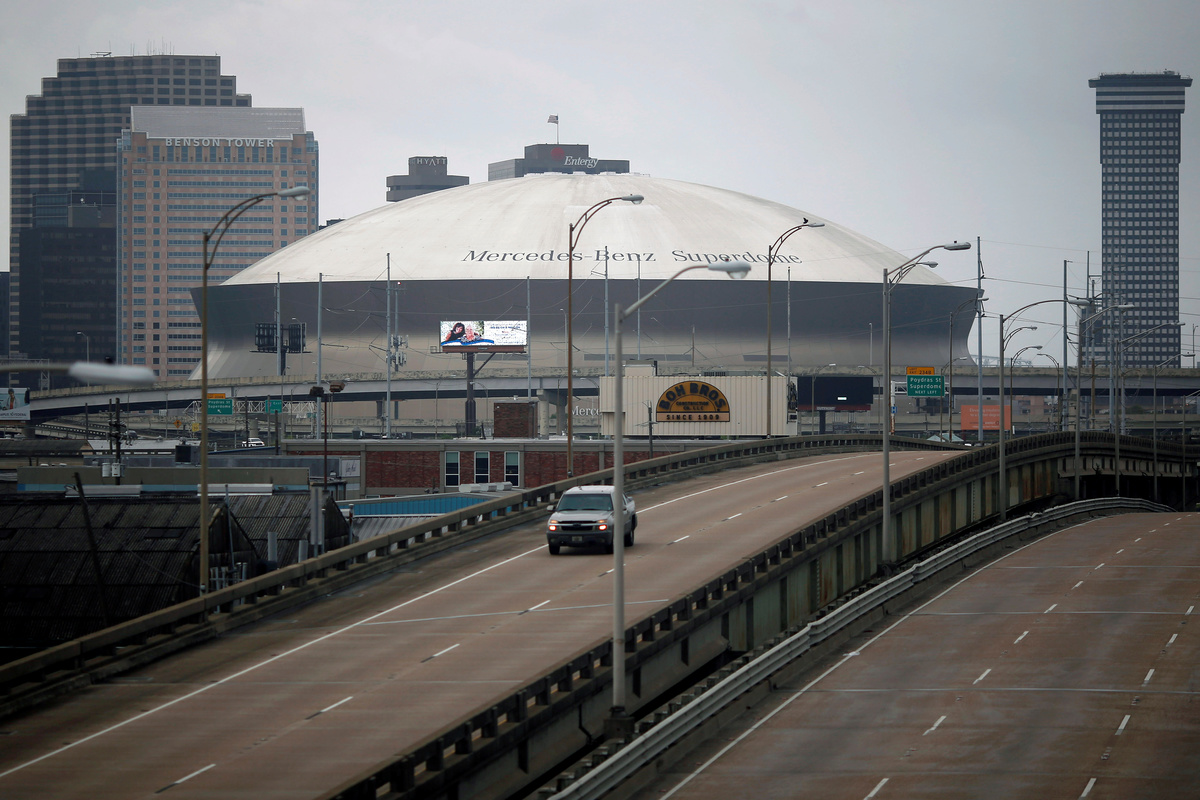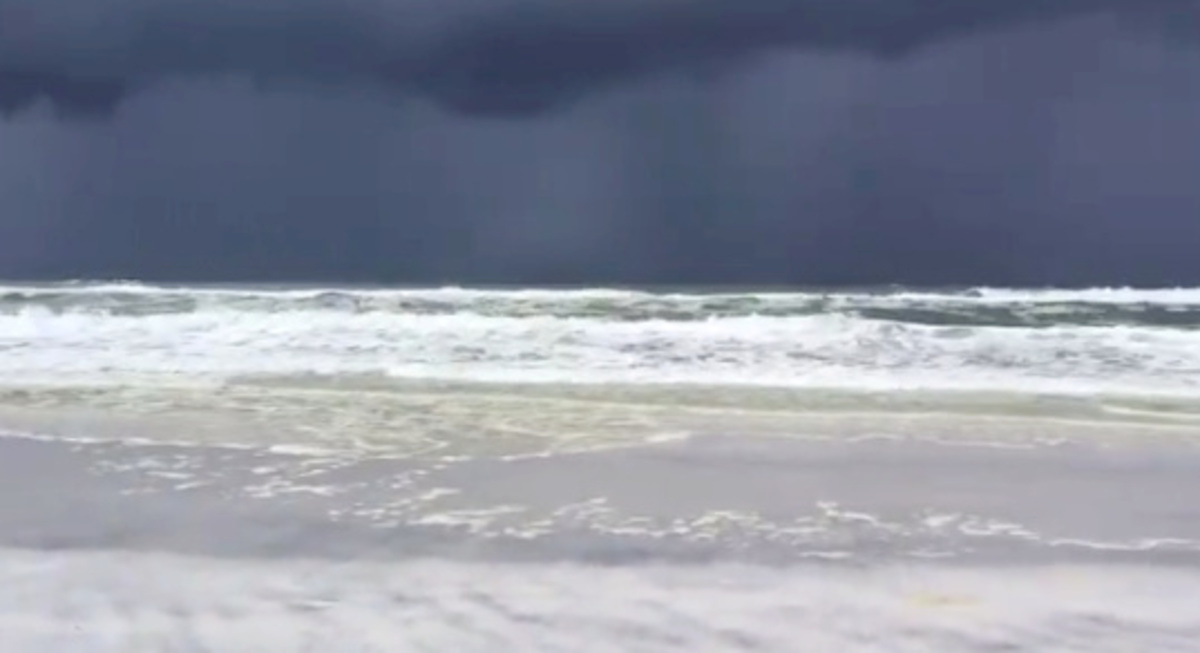
NEW ORLEANS (Reuters) - Hurricane Barry weakened to a tropical storm as it made landfall in Louisiana on Saturday, after a westward shift that appeared to spare low-lying New Orleans from the massive flooding feared earlier this week.
The National Hurricane Center, which had labeled Barry the first Atlantic hurricane of 2019 just hours earlier, said the storm came ashore near Intracoastal City with maximum sustained winds that had dropped to 70 miles per hour (115 kph).
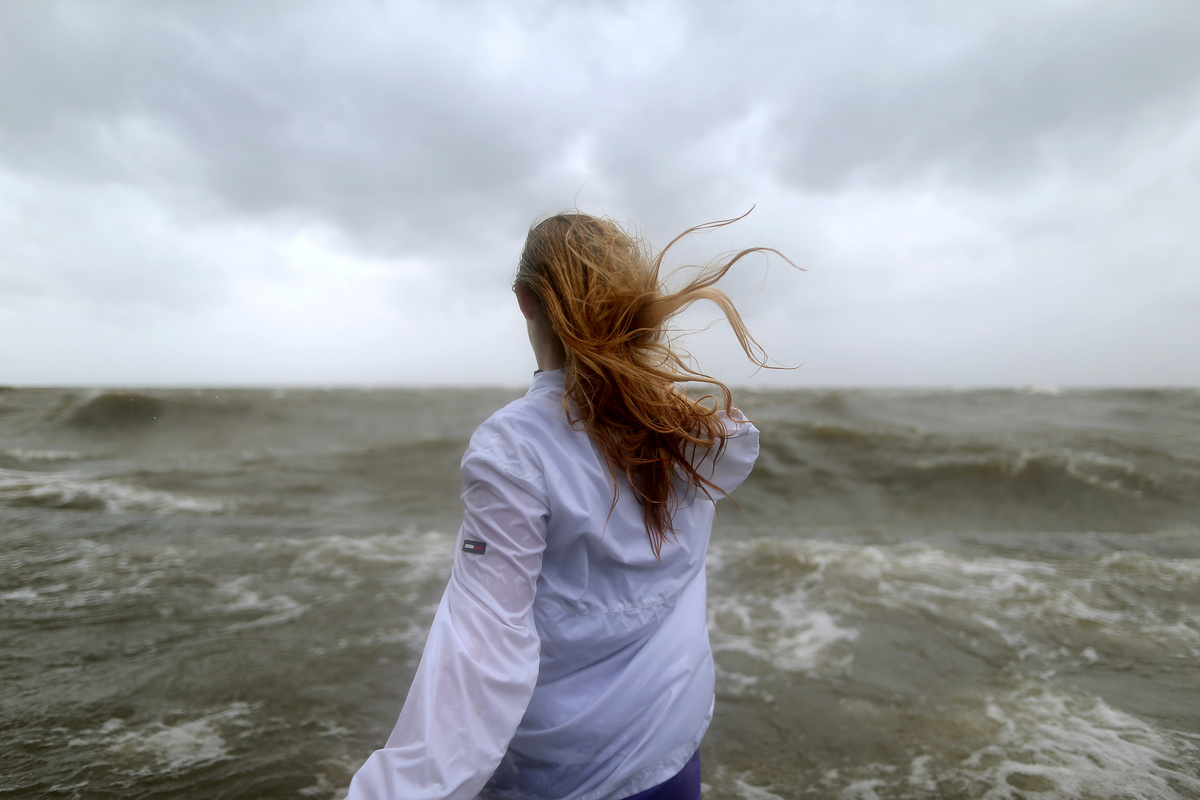
Further weakening to a tropical depression was expected on Sunday as Barry moved inland, the NHC said.
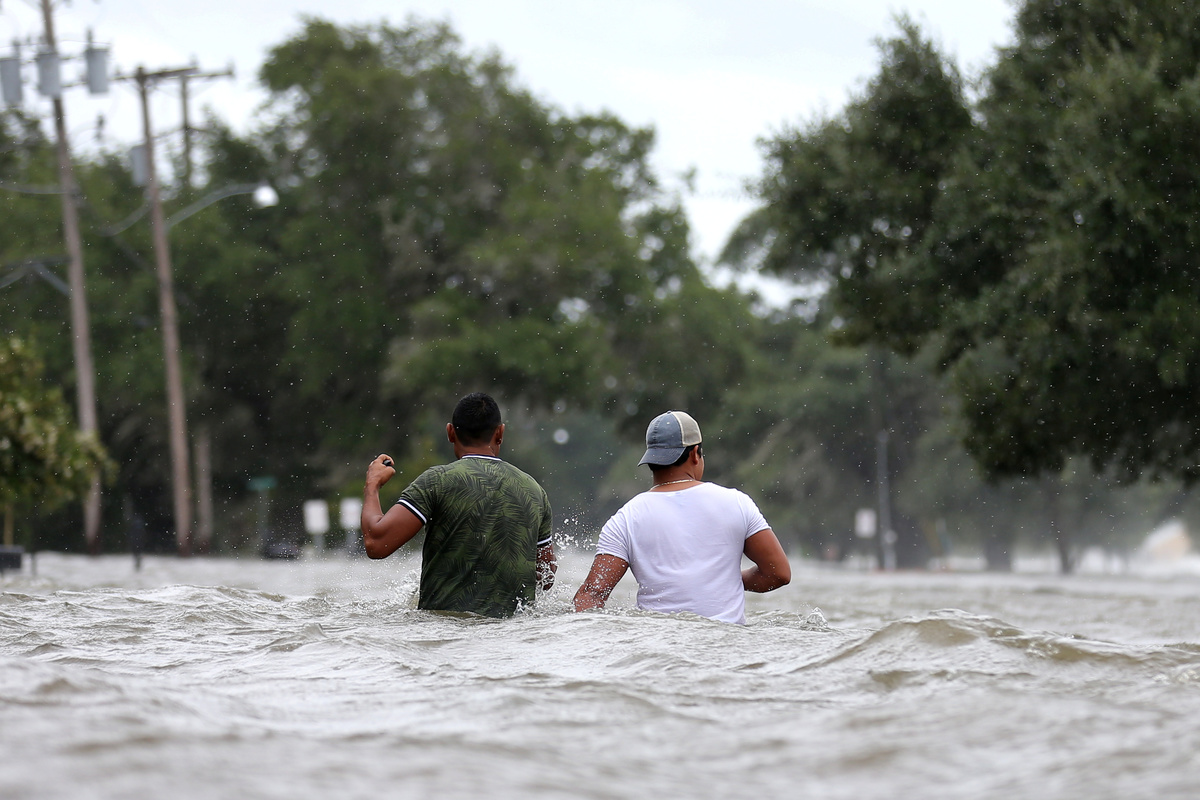
The threat of major flooding from the historically high Mississippi River overtopping levees appeared to have passed, but the storm could still bring dangerous flooding and storm surges to coastal regions southwest of New Orleans and to Baton Rouge and Lafayette due to its "lopsided" nature and slow speed.
"Rainfall remains the primary hazard, we are still looking at 10 to 15 inches of rain with the possibility of higher, isolated amounts," Louisiana Governor John Bel Edwards told a news conference. "Power outages will be significant, in fact they're already significant in some areas of the state."
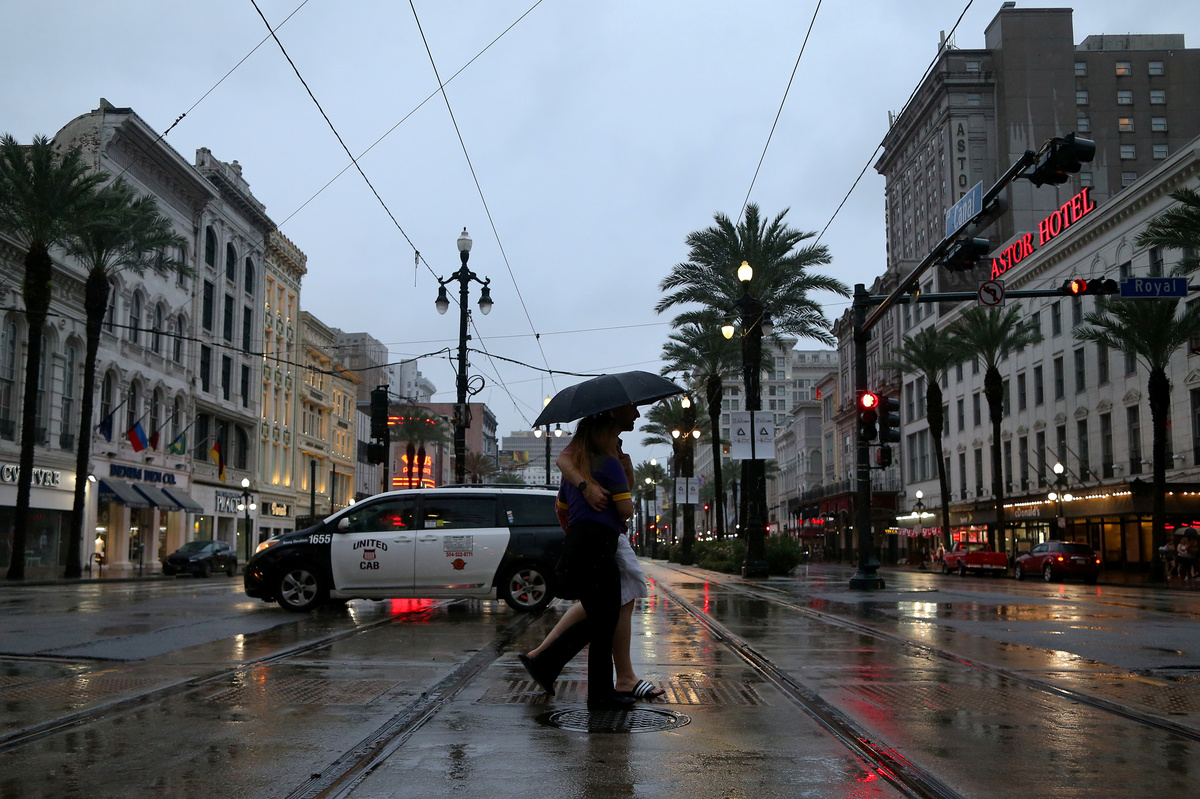
The Mississippi River crested on Friday night in New Orleans at just under 17 feet (5.18 meters), the National Weather Service said, much lower than a prediction earlier this week of 20 feet (6.1 meters), near the height of the city's levees.
The river was expected to surge again to about 17 feet on Monday, the weather service said.
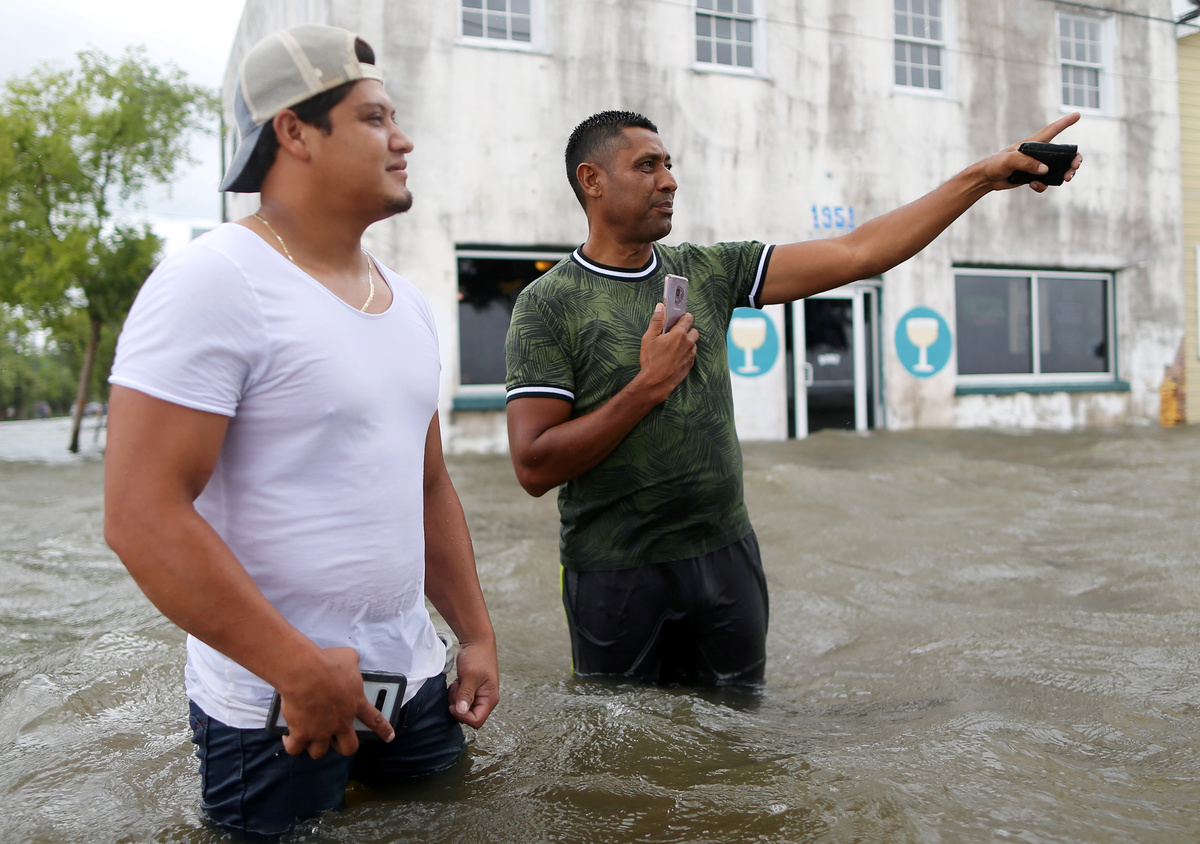
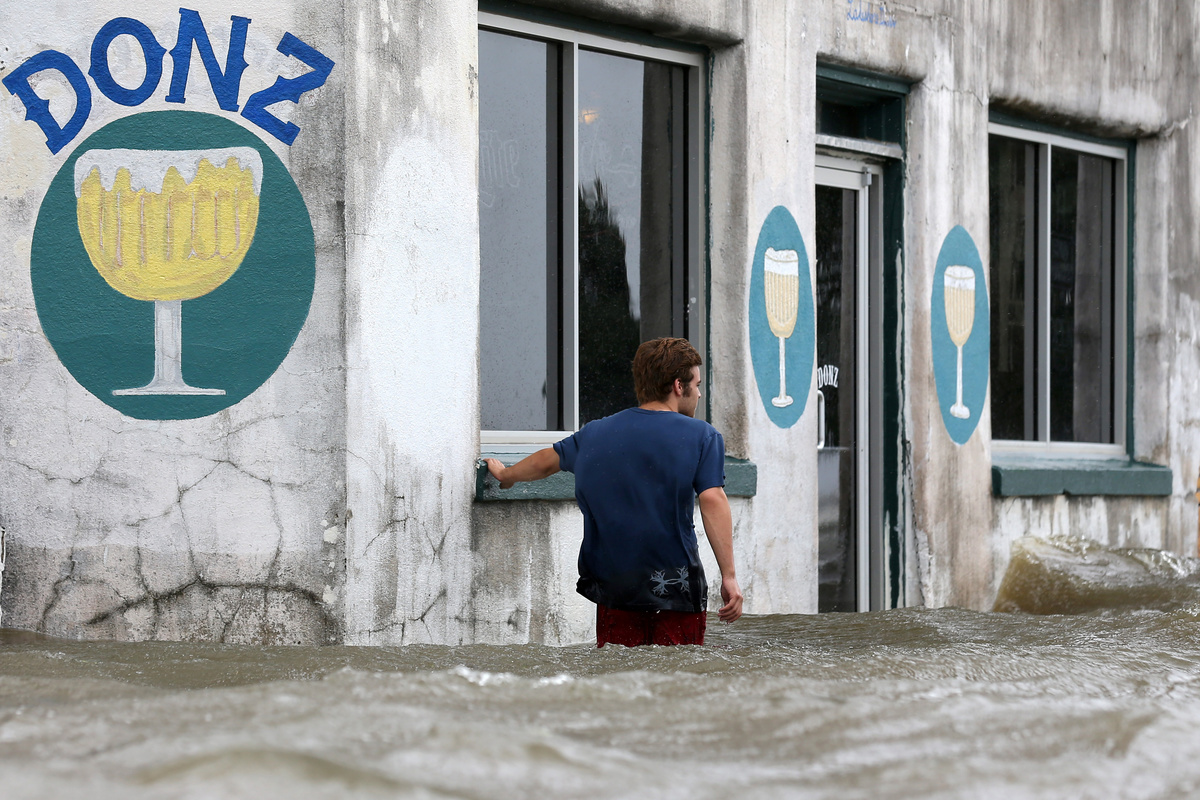
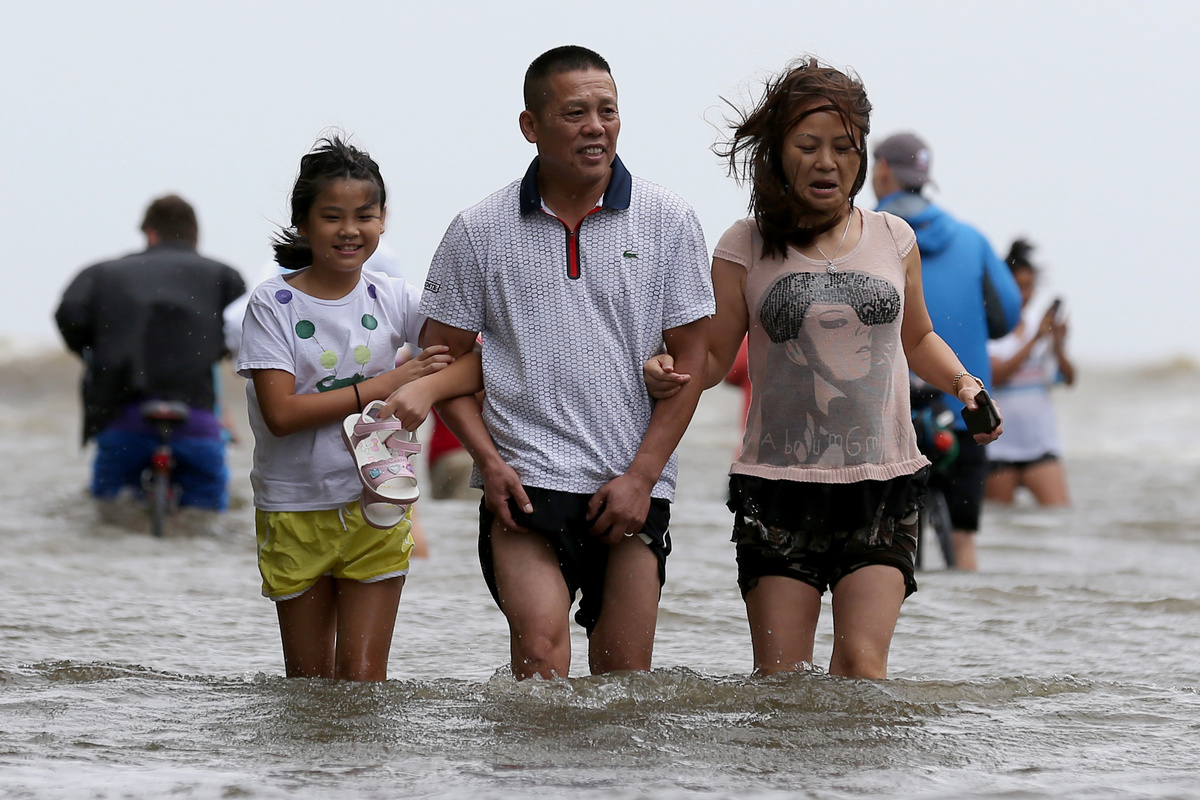
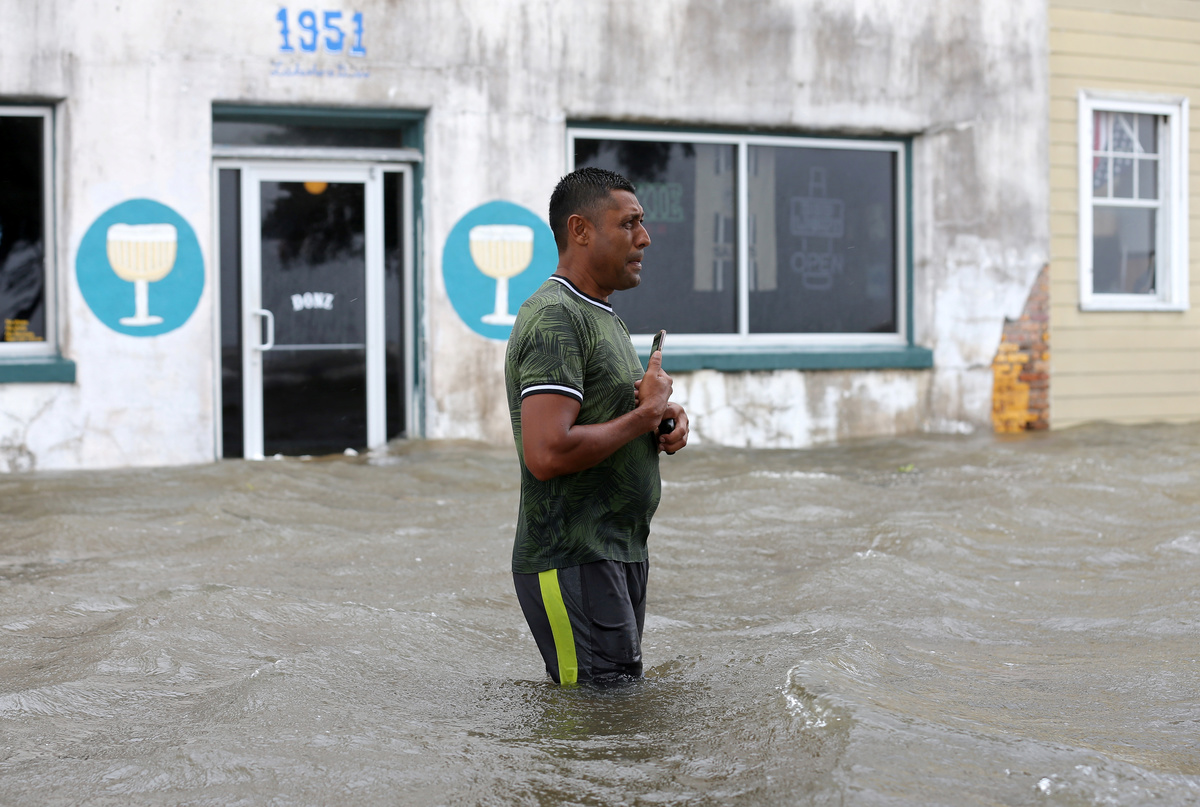
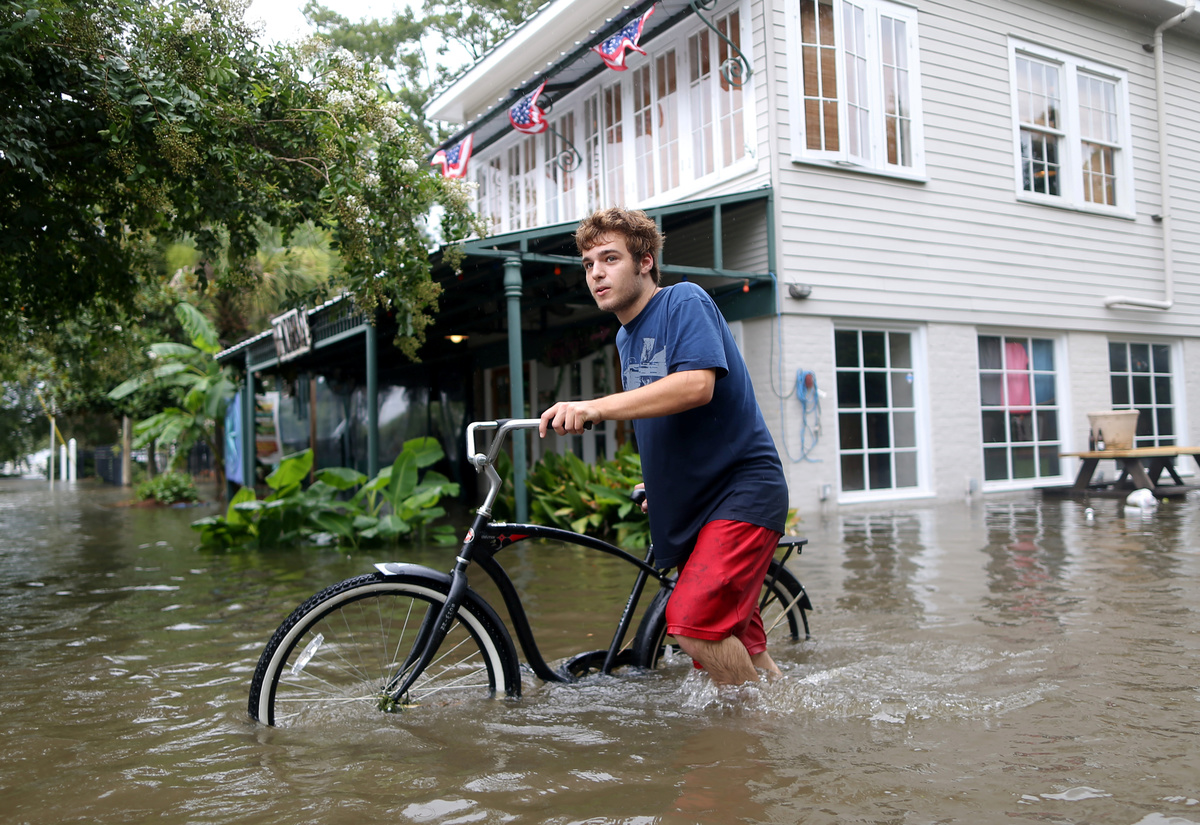
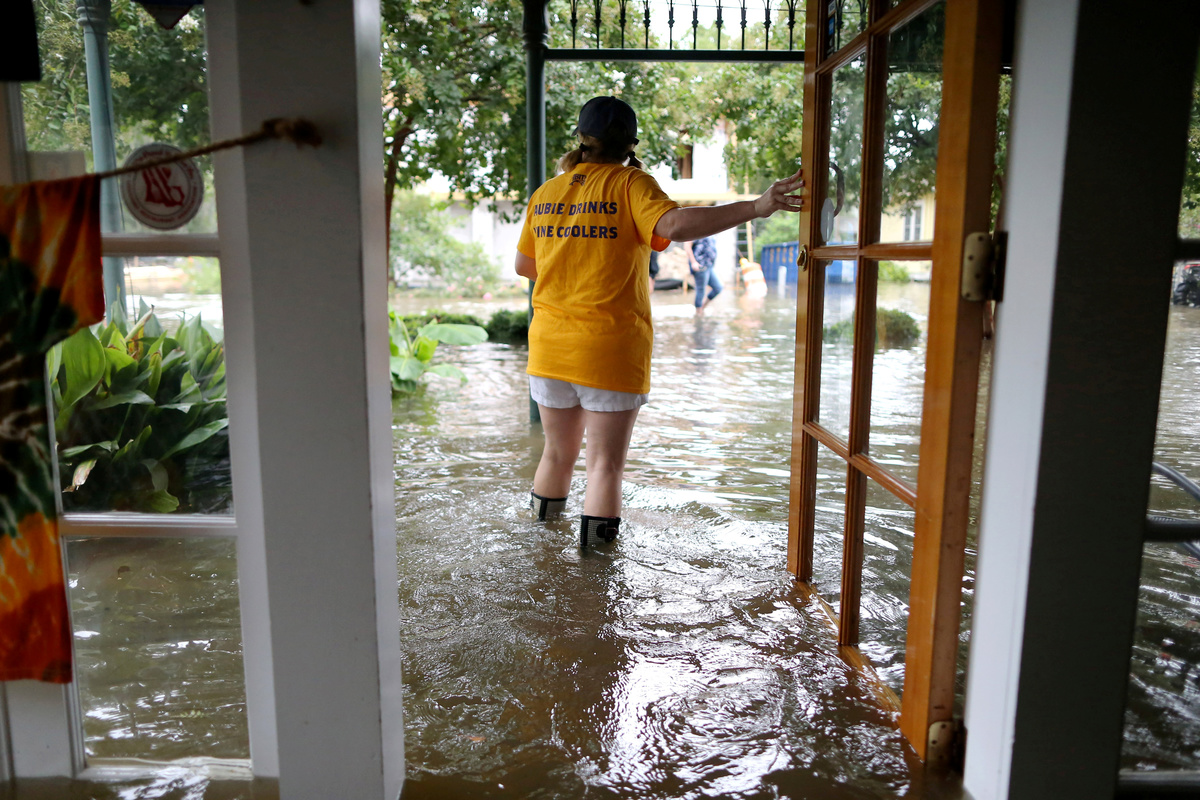
Streets and businesses were flooded along Lake Pontchartrain in Mandeville, just north of New Orleans, according to a Reuters witness. And water went over the top of a "back levee" in Plaquemines Parish south of New Orleans in Myrtle Grove, a development of houses on stilts, with boat launches that sit on a canal, but that was expected, authorities said.
"We can say now that the rivers will certainly not overtop the levees anywhere on the Mississippi," Edwards said.
DISASTER
U.S. President Donald Trump declared a state of emergency for Louisiana on Friday, freeing up federal disaster assistance if needed.
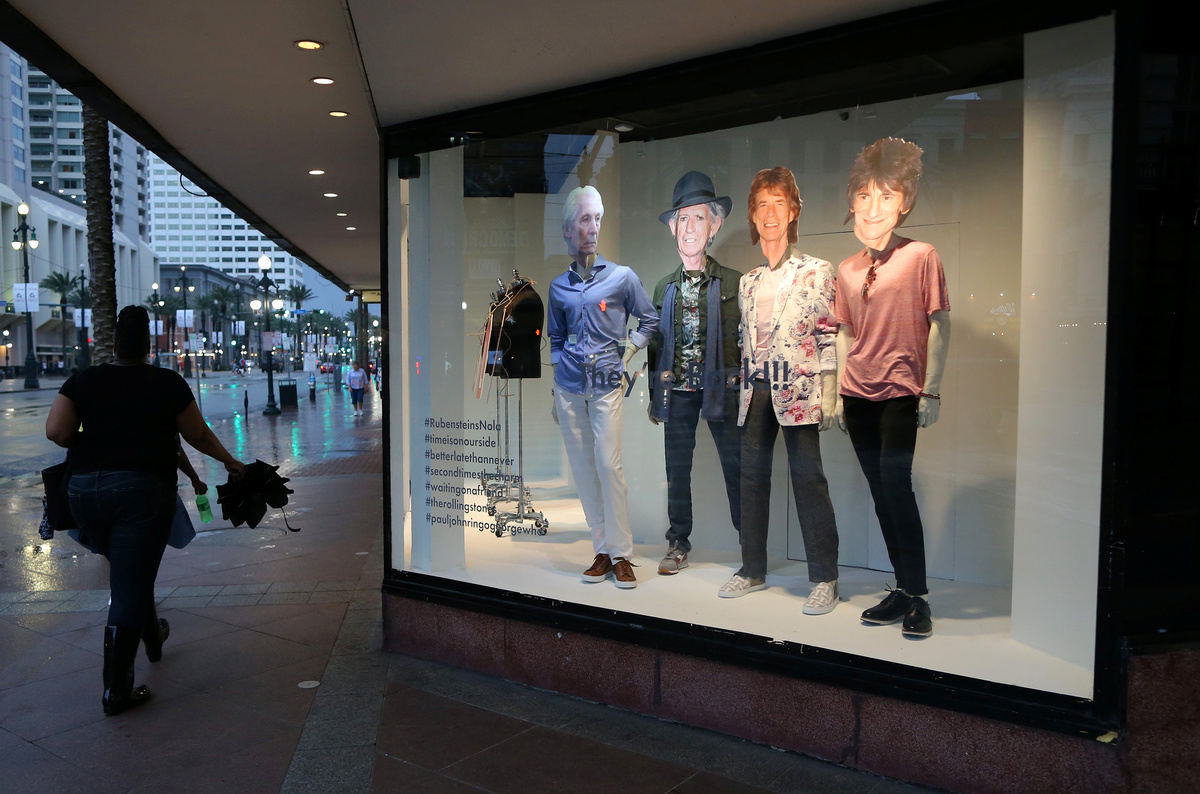
Authorities had urged New Orleans residents to secure property, stock up on provisions and shelter in place. Some opted to flee the city, and tourism officials reported an exodus of out-of-town visitors on Friday.
Mandatory evacuations were ordered in outlying coastal areas beyond the protection of levees in Plaquemines and Jefferson parishes.
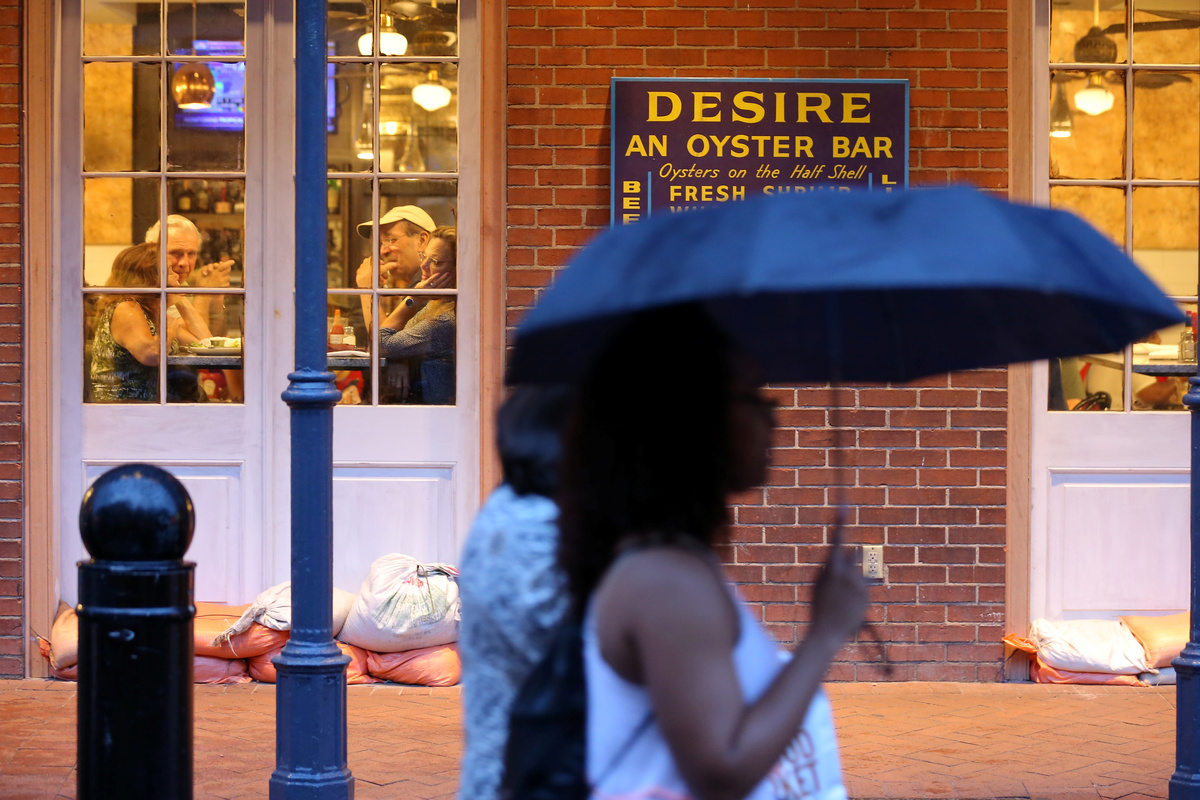
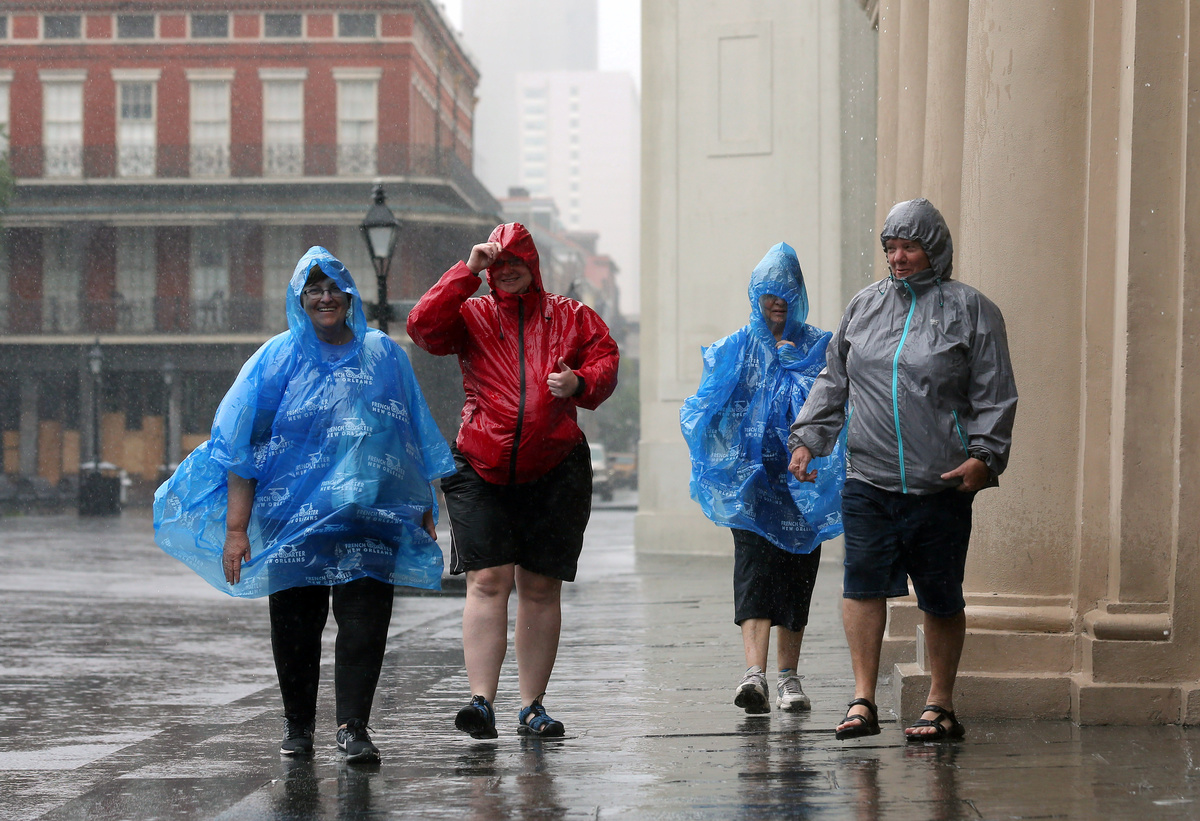
Yuda and Cecilia Lilo, from Bolivia, were among the tourists who stayed.
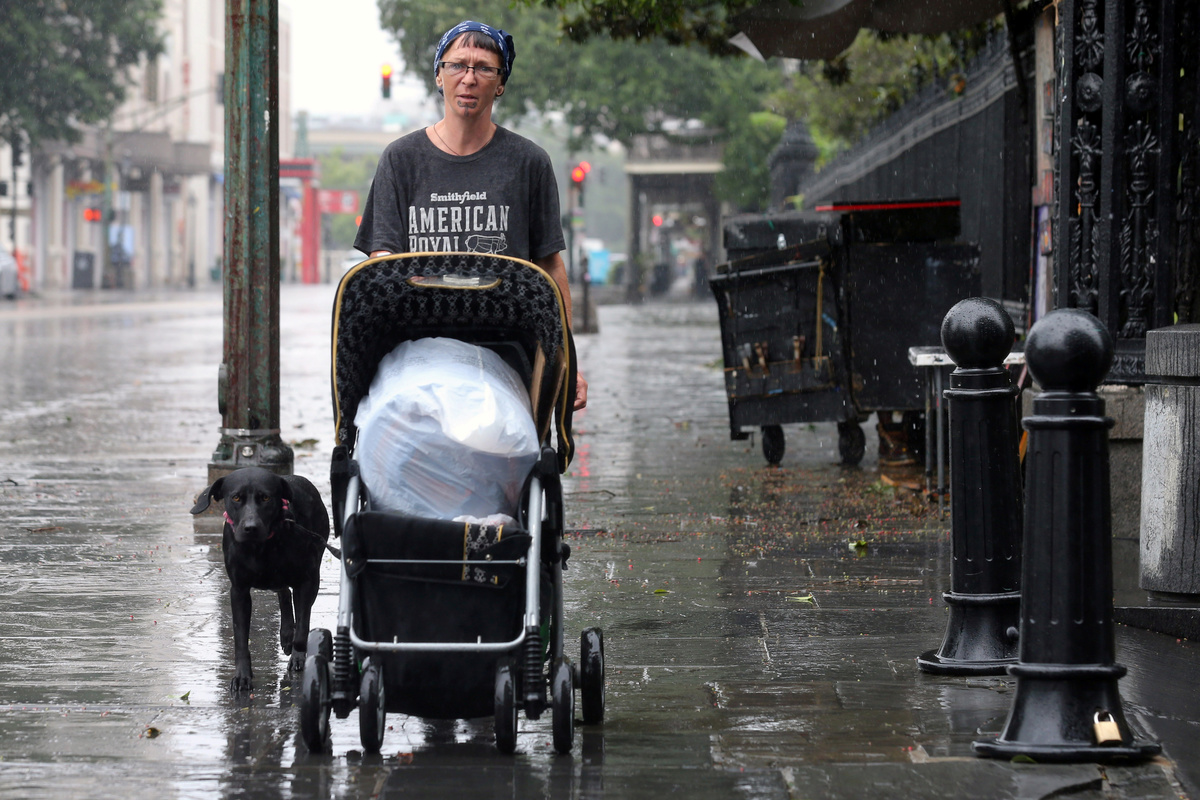
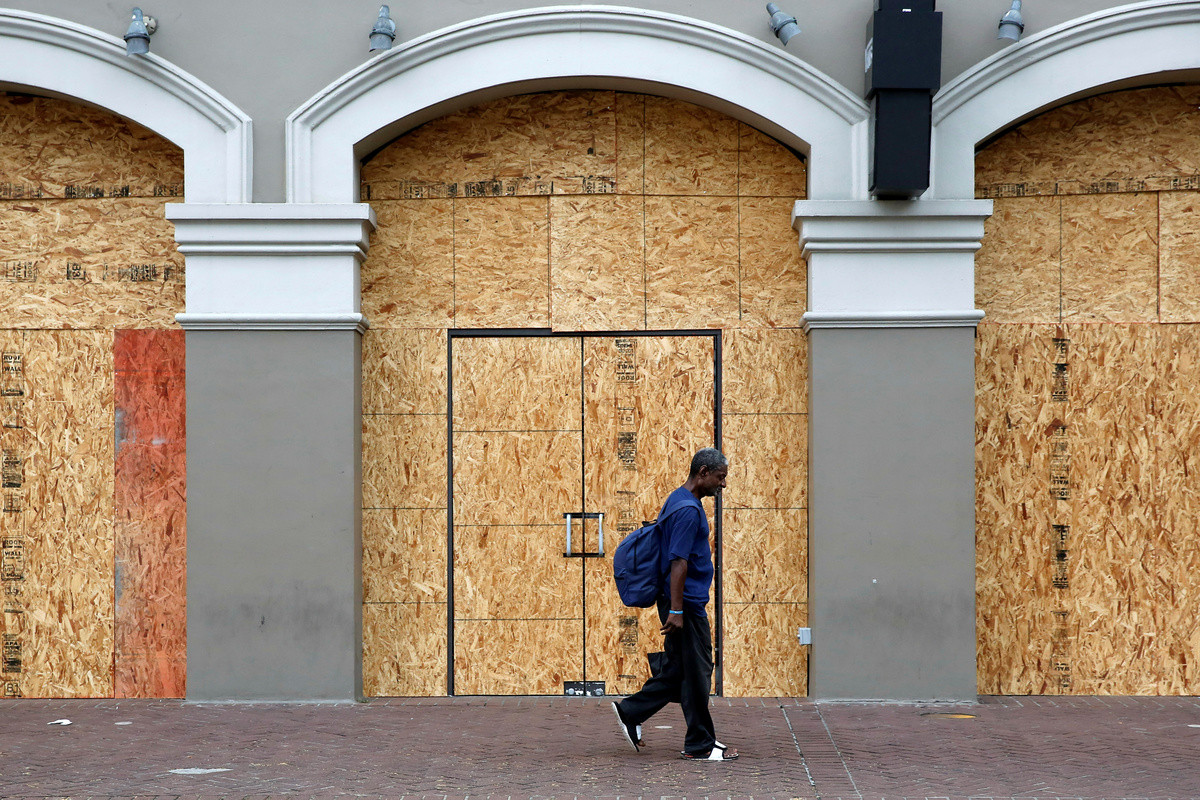
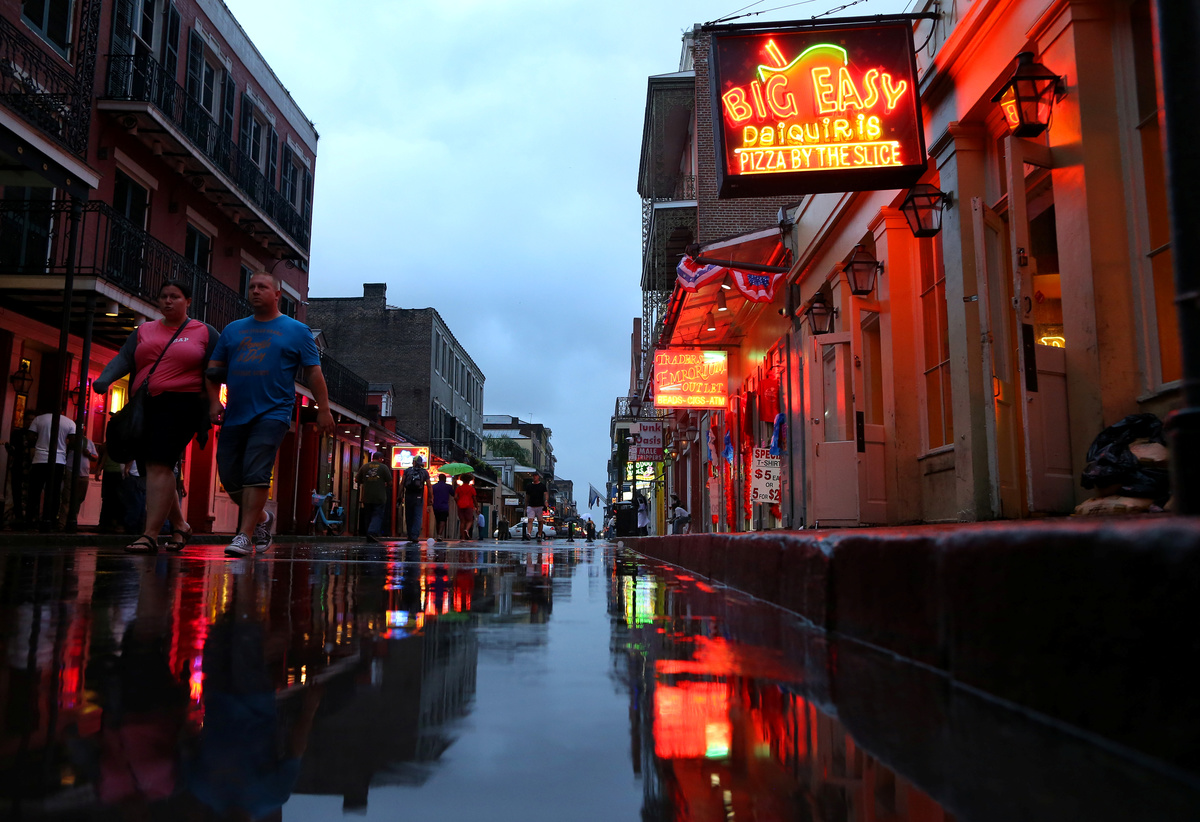
"Everything is closed," Yuda said walking through the narrow roads of the French Quarter, noting the usually packed sidewalks were mostly empty. "We took a chance and we're making the best of it."
Across the Mississippi River in historic Algiers Point, people were exercising, walking their dogs and snapping pictures of the river in a light rain and occasional wind gusts.
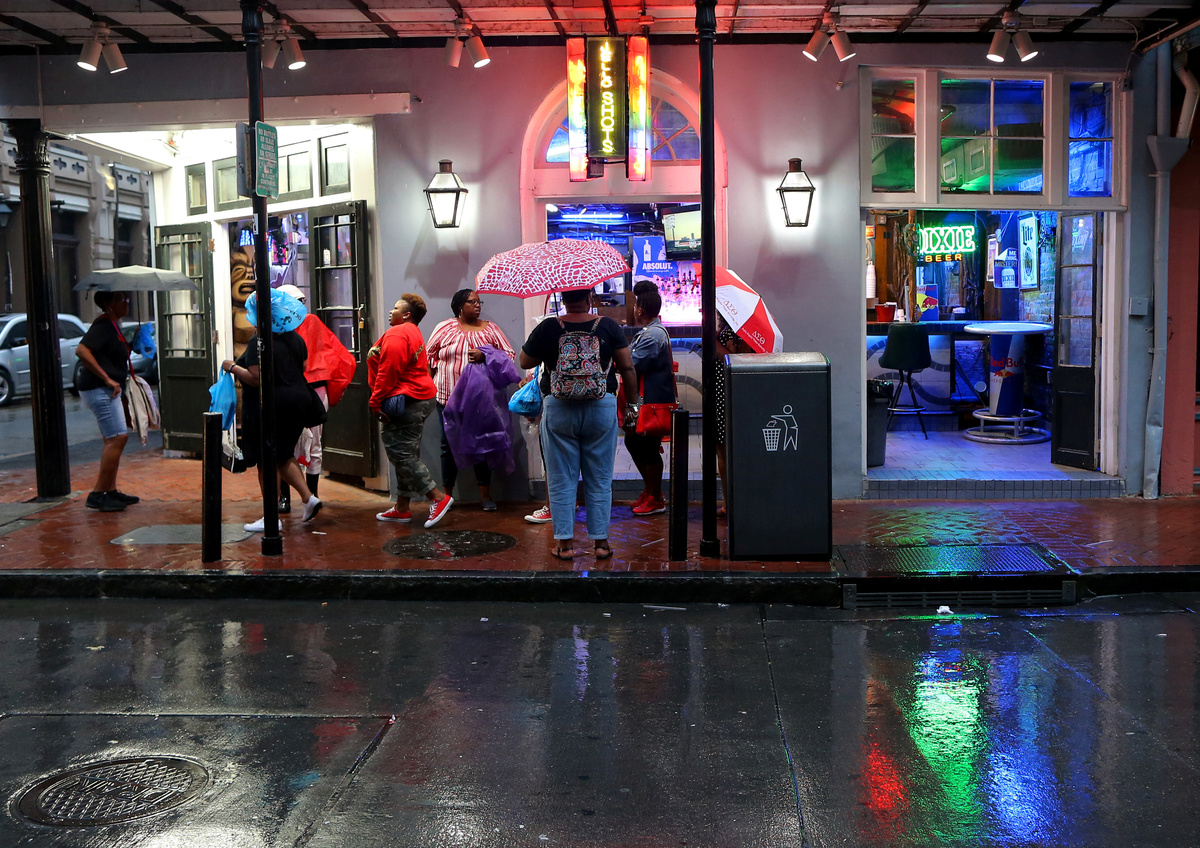
Resident Jessica Awad, 36, said she wasn't worried.
"I'm a local," she said, walking on a bike path on the levee with a beer in her hand. "I have a kayak, two dogs that both have life vests, and I live in an upstairs apartment, so if anything happens, we're good."
The New Orleans Airport said all flights in and out on Saturday had been canceled but most airlines were planning to resume operations on Sunday, weather permitting.
KATRINA
Barry was seen as a test of beefed-up flood defenses put in place since Hurricane Katrina, which left much of New Orleans underwater and killed about 1,800 people in 2005.
The city's Sewerage and Water Board, which operates the pumps designed to purge streets and storm drains of excess water, was expecting between 6 and 12 inches of rain, down from up to 20 inches or more in some earlier forecasts.
The pumps can handle the removal of about a half inch of rain an hour.
"What matters now is how fast it comes," agency spokesman Richard Rainey said. "While the storm's movement west is a promising sign that Barry's impact on New Orleans may be less than first predicted, we're not letting down our guard."
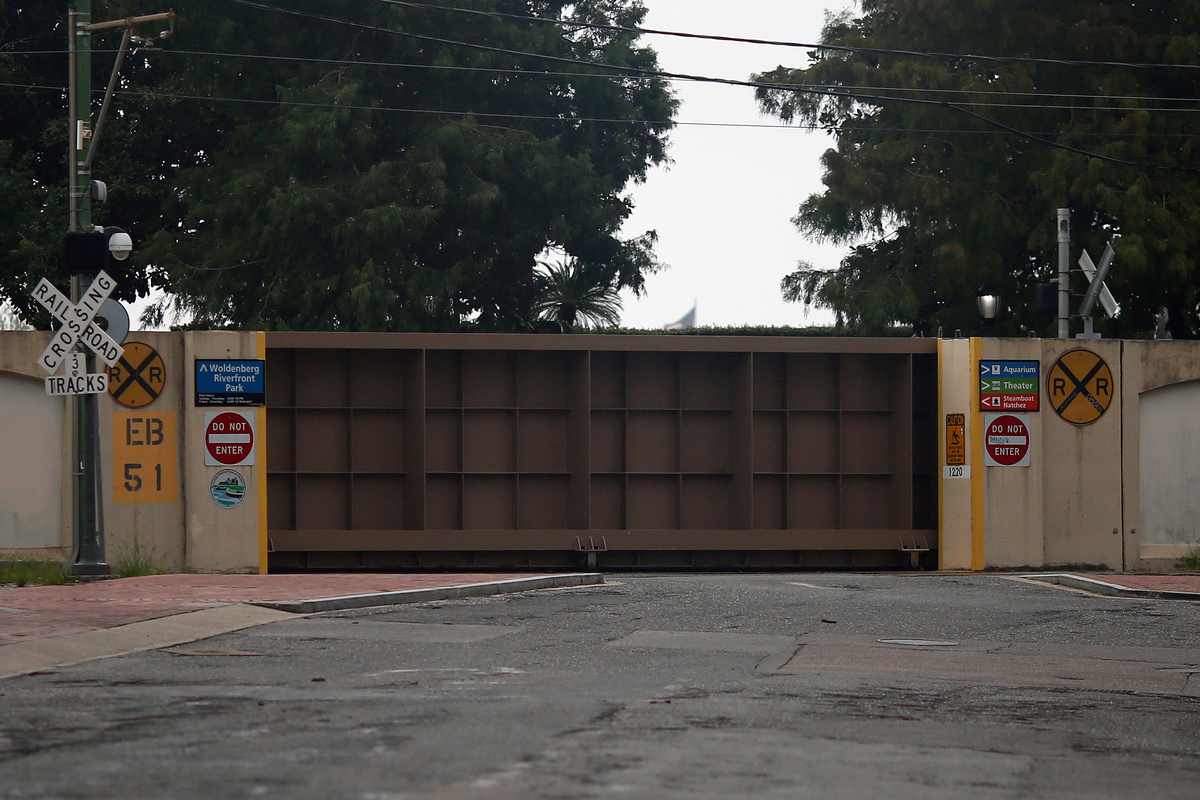
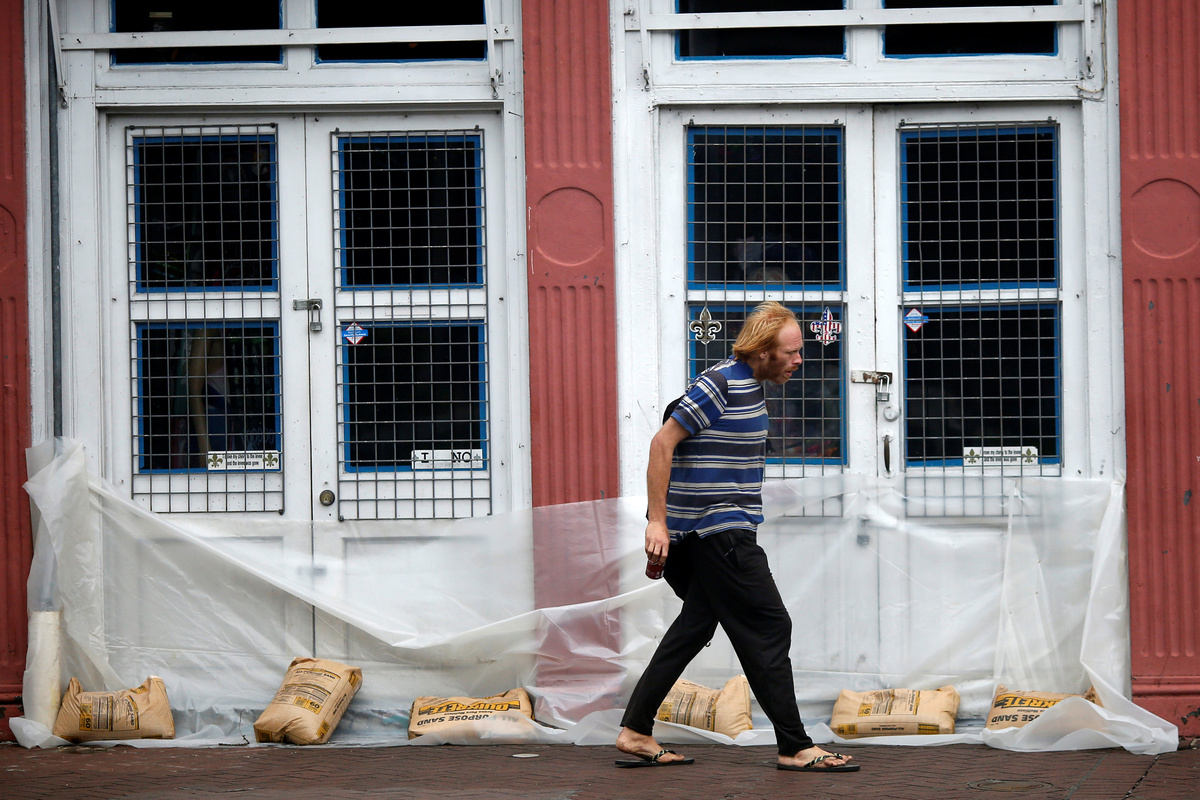
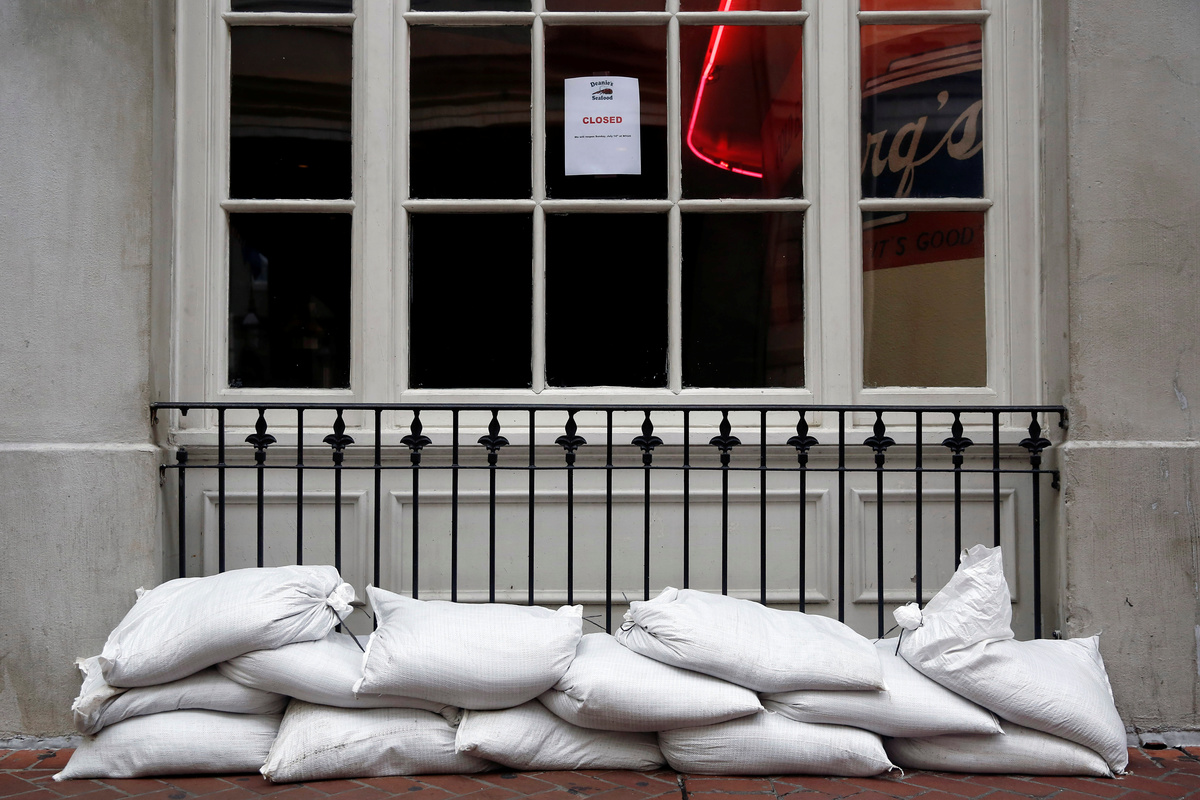
Across the city, motorists parked cars on the raised median strips of roadways, hoping the extra elevation would protect them from flood damage. Sandbags were stacked outside hotels, shops and other businesses along Canal Street.
Nearly 70% of crude oil production and 56% of natural gas output in the U.S.-regulated areas of the Gulf of Mexico has been cut because of the storm, the Bureau of Safety and Environmental Enforcement said.
The sheriff's office said dozens of jail inmates held on minor charges were released to make room for nearly 70 inmates transferred from a temporary lockup to the main detention facility, which was built to withstand a major hurricane.
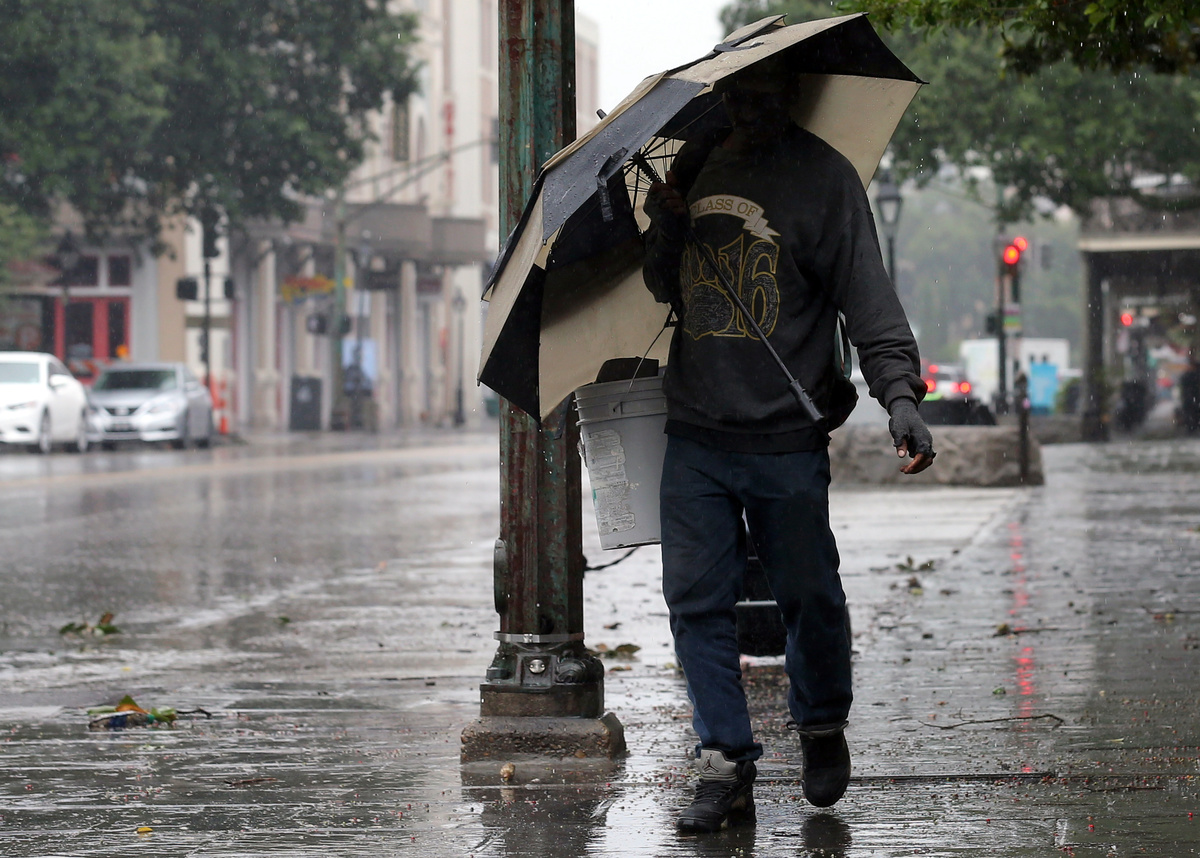
Robert Broomfield, 70, who lost his wife in Hurricane Katrina, said local officials were right to warn residents against lingering outside as the storm approached.
"If the city tells me to leave or get off the streets, I'm gone," he said. "I paid the consequences. Nobody can stop it. God has the last word."
(Reporting by Collin Eaton and Brian Thevenot; Additional reporting by Kathy Finn in New Orleans, Jonathan Bachman in Mandeville, Louisiana, Maria Caspani in New York, and Rich McKay in Atlanta; Writing by Sonya Hepinstall; Editing by Chizu Nomiyama and Daniel Wallis)