So-called social firms, which employ people who have difficulty finding jobs for reasons such as disabilities or social withdrawal, are drawing renewed attention as a result of a new Tokyo ordinance that introduces a certification system for such enterprises. This regulation is the first of its kind in Japan, and has shone a spotlight on social firms' role in supporting people who are socially and economically disadvantaged in the labor market.
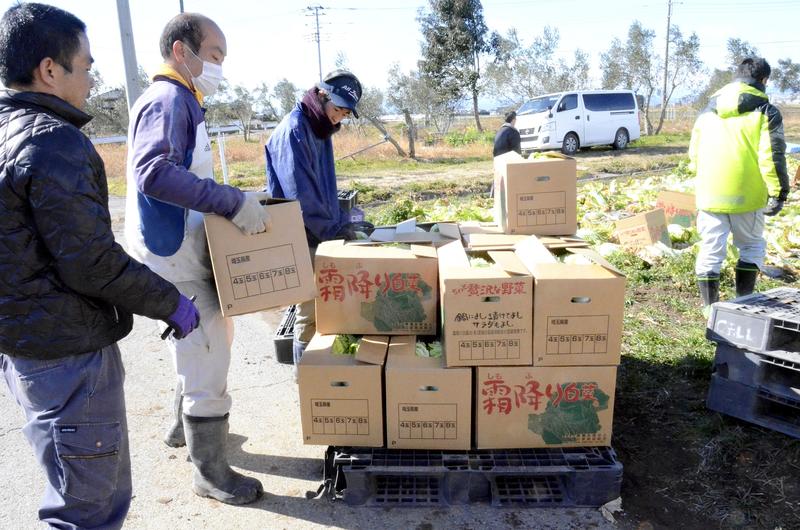
Amid cold winds in mid-February, 11 people hurried to ship Chinese cabbage harvested from a farm in Kumagaya, Saitama Prefecture. Among them were people who are intellectually or mentally disabled, as well as young people who are former recluses.
Employees of the social firm Saitama Fukko worked skillfully at a job where they not only received special training from a local agricultural corporation but also an opportunity to be in charge of transport with a license to drive forklifts.
"Working with all my colleagues has helped me find work rewarding," said a 33-year-old man who has worked for more than a decade. He wiped his forehead and stacked up cardboard boxes filled with Chinese cabbage.
Established in 1996, Saitama Fukko started to cultivate hydroponic spinach in 2007 with the cooperation of local farmers and shifted into agricultural management. Currently, about 50 people, including people with disabilities, participate in the company's business according to their physical strength and ability.
The main source of Saitama Fukko's revenue is Chinese cabbage. The company is now in its sixth season of supplying the vegetable to a major pickle maker in Aichi Prefecture through an agricultural production corporation in Ibaraki Prefecture.
"I'm aiming to strengthen this firm's management base, so as to achieve sustainable corporate management that links agriculture and welfare," said Saitama Fukko President Toshimasa Arai, 45. "If you can continue to do the same work, you'll gain experience and become useful to society. I want to create employment options for the disabled in the community."
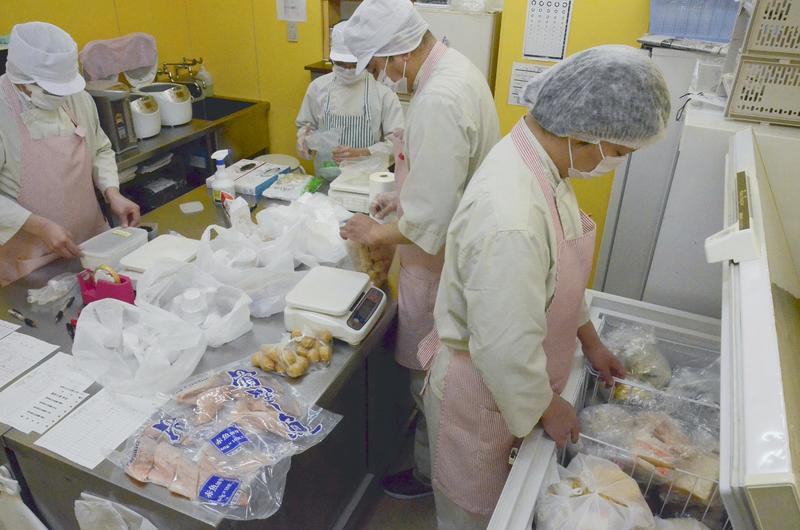
The Hiroomote House in Akita City, a facility that helps the disabled find employment, has launched a variety of projects. They include the production and sale of daily lunch boxes, the supply of foodstuffs for meals at welfare facilities for the elderly, the sale of bread and pastries at stores, the sale of horticultural products, cleaning services and the collection of used paper. These projects are operated by a local social welfare corporation where about 40 people work, including people with intellectual or mental disabilities.
Daily lunch boxes are popular, with as many as 80 orders made a day. The corporation has also secured a stable sales channel for its supply of foodstuffs and established an operation system to cover personnel costs from operating revenue.
Struggles with profitability, stability
Social firms, a concept that was introduced in Italy in the 1970s and has spread mainly in Europe since the 1980s, face difficulties with profitability and stable management that will enable them to continue paying a certain amount of labor costs.
An entity in the Kanto region that sells bread was forced to review its employment system in which it paid employees more than minimum wage, as its production capacity was limited, making it difficult to increase sales. The entity eventually cut personnel costs by paying its workers on an individual basis based on their workload.
"It was beyond my ability," an executive of the entity said. However, he added that he wants to try to rebuild the business by entering the agricultural sector with support from business partners. "I want to create an opportunity again to earn profits," he stated.
Gamba Company, which produces cookies in Shiga Prefecture, has dealings with about 120 shops nationwide. However, it struggled financially for a while after its launch.
To promote an understanding of workplaces that employ the disabled, as well as single mothers and others who have difficulty finding jobs, the company has developed sales channels through the door-to-door sale of products made from chemical-free and organic ingredients.
"We tried to expand our business to stabilize management," a senior official of the business said. "It took more than 10 years to establish our 'safe and secure' brand."
Read more from The Japan News at https://japannews.yomiuri.co.jp/