Get all your news in one place.
100’s of premium titles.
One app.
Start reading

New mothers suffer nerves, guilt as maternity leave ends

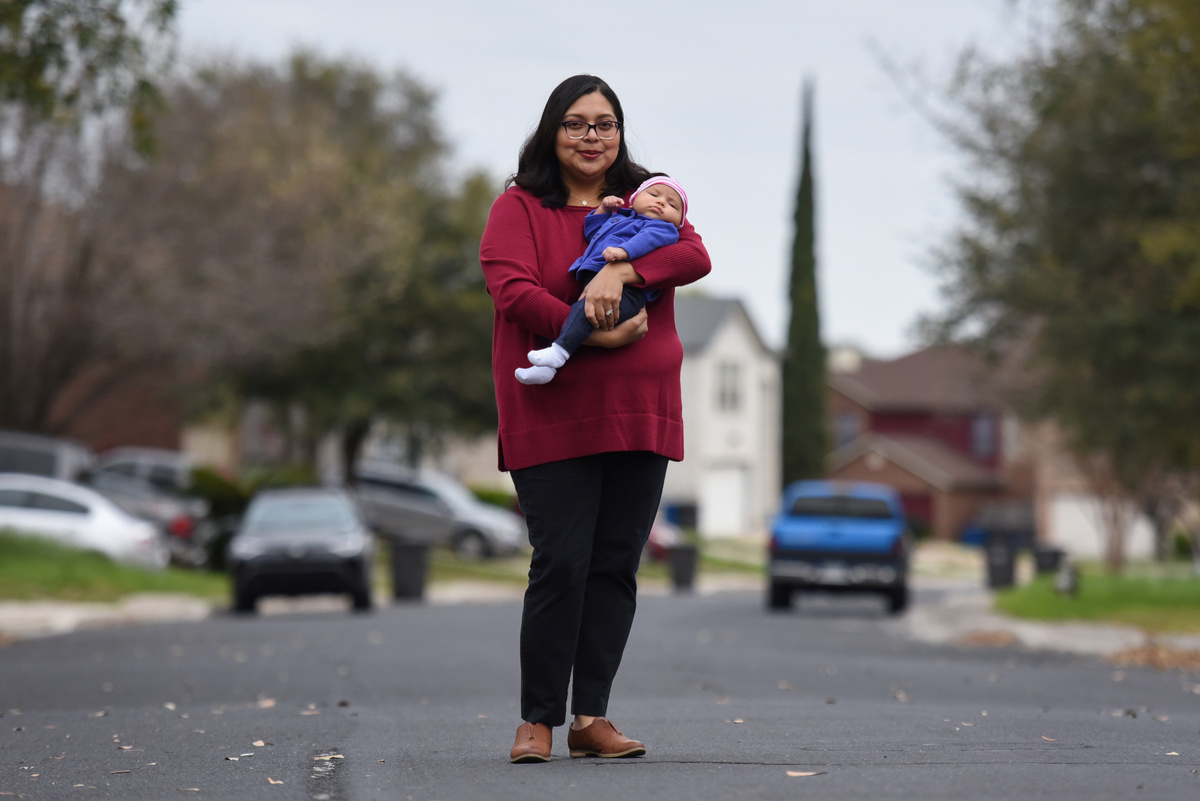
Blanca Eschbach, 32, poses for a portrait with her daughter Olivia on her first day back at work after a 10-week maternity leave in San Antonio, Texas, U.S., March 4, 2019. REUTERS/Callaghan O'Hare

LONDON (Reuters) - Many new mothers worldwide express anxiety and guilt about leaving their babies to return to work, and some worry their nations' maternity policies reflect societies that value productivity over raising children.

In a series of interviews for Reuters ahead of International Women's Day on March 8, mothers from the United States to Uruguay to South Africa to Singapore told of their concerns about stopping work to give birth and look after their newborns.

An Organisation for Economic Cooperation and Development (OECD) report in 2016 found that among OECD countries, mothers are on average entitled to 18 weeks of paid maternity leave
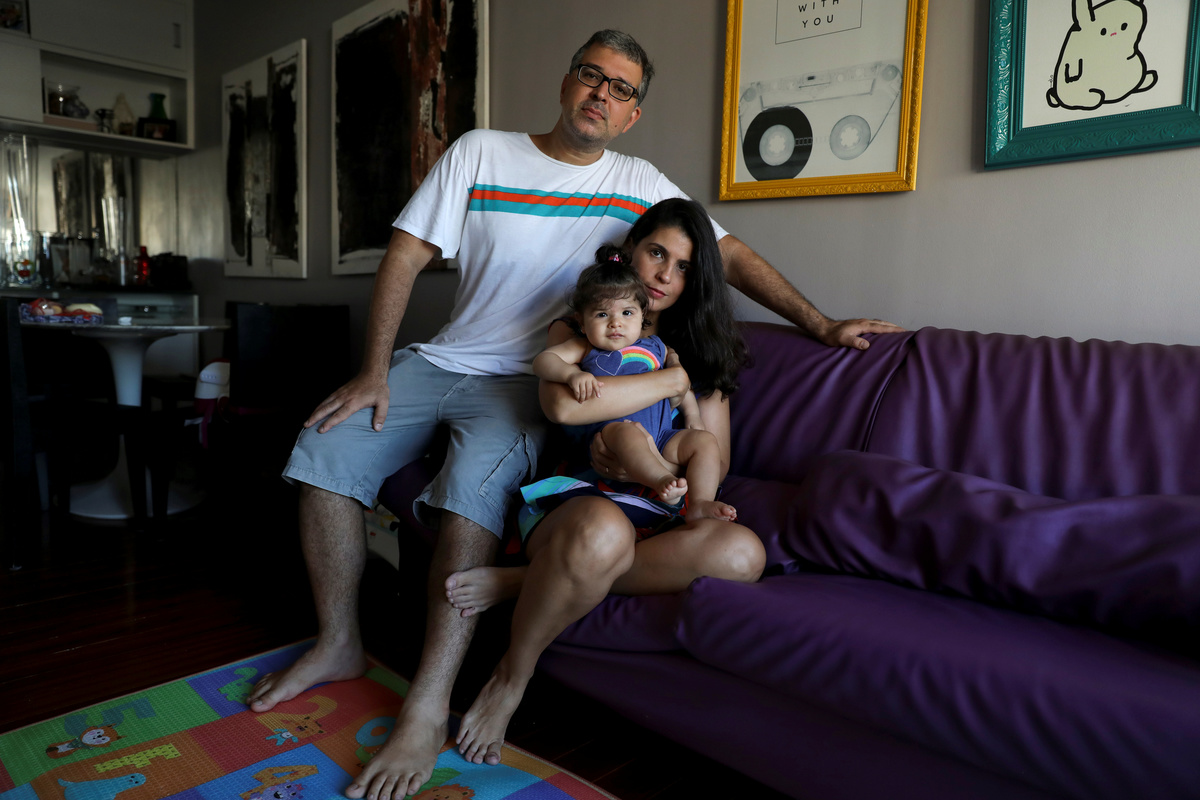
Tatiana Barcellos, 37, a civil servant for the Federal Prosecutor's Office, her eight-month-old daughter Alice, and her husband Marcelo Valenca, 39, a teacher at a navy school, pose for a photograph on the day Tatiana went back to work, at their home in Rio de Janeiro, Brazil, January 28, 2019. REUTERS/Pilar Olivares

around childbirth.

But the range is vast. While some countries - such as Britain and Russia, offer many months or even several years of maternity leave, the United States is the only country to offer no statutory entitlement to paid leave on a national basis.

Blanca Eschbach, a new mother in San Antonio, Texas, returned to work this week after taking 10 weeks off to have her baby. "I think as a society we value productivity above family life," she said. "You almost feel rushed to get back to work."
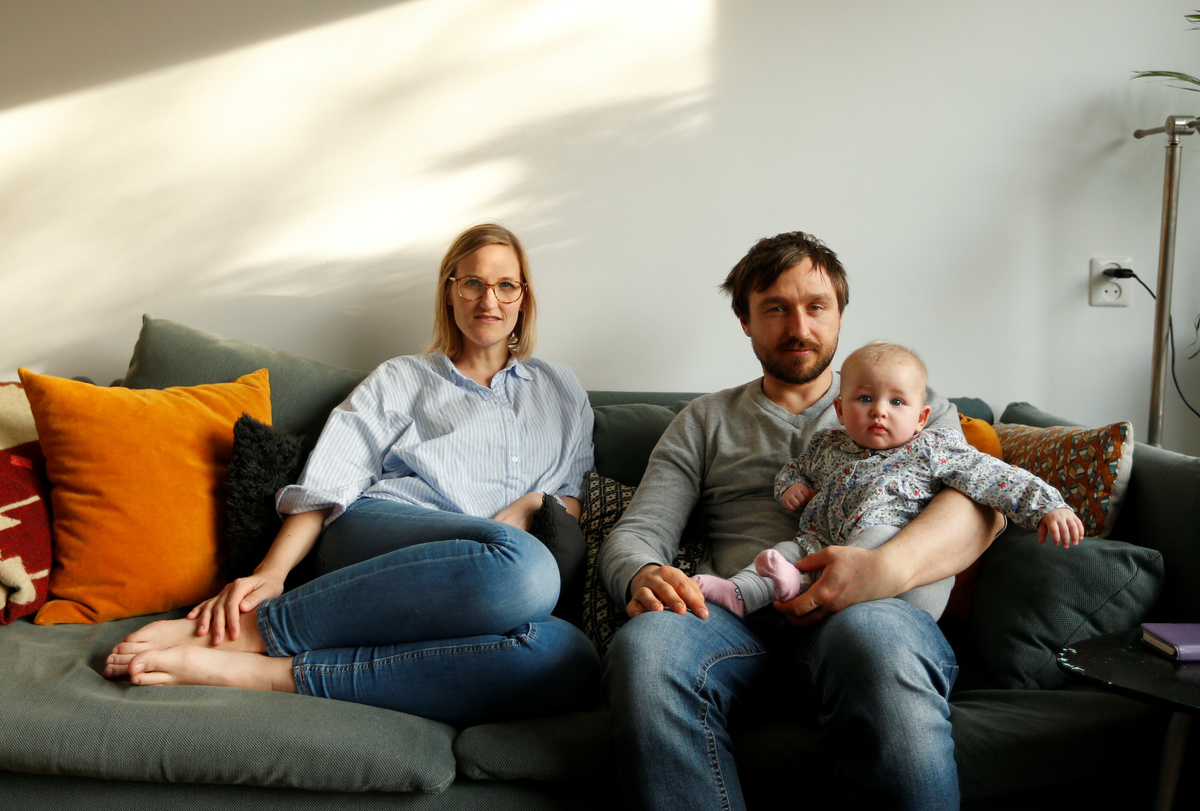
Lucie Sol, 32, a social worker, her boyfriend, Rudie Jonkmans, 34, a cook, and their 22-week-old baby Lena Amelie pose for a photograph inside their house on the first day Lucie went back to work, in Purmerend, the Netherlands, February 18, 2019. REUTERS/Eva Plevier

Eschbach said she'd like longer to be at home with her child - ideally 16 weeks - but her family can't afford it.

Tatiana Barcellos, 37, a civil servant for the Federal Prosecutor's Office in Brazil, also told Reuters she was "anxious and worried" about going back to work, and concerned that "my absence causes stress to my baby".

In the Netherlands, Lucie Sol, a 32-year-old social worker and mother to baby Lena Amelie, said returning to work "comes with a lot of guilt".
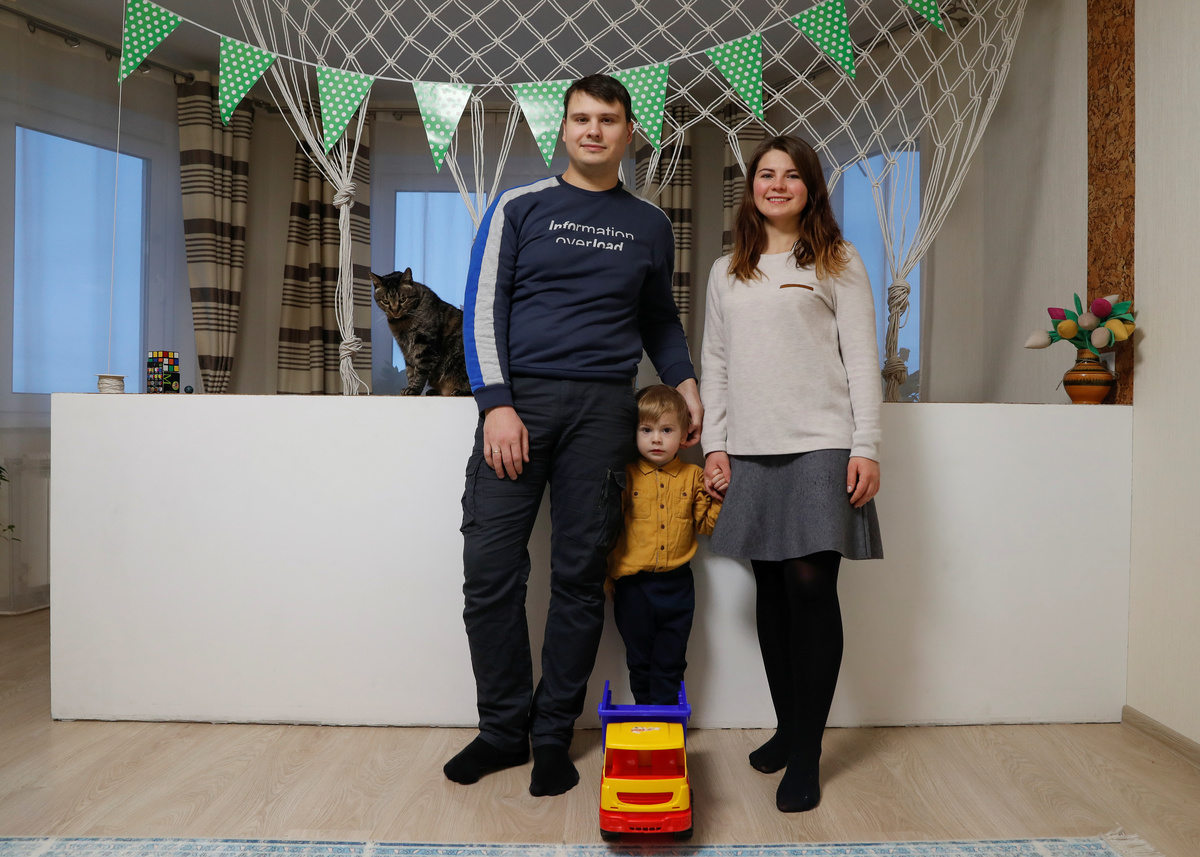
Alesya Rutsevich, 28, an ophthalmologist, her husband Pyotr, 28, a programmer, and their son Daniil, 3, pose for a photograph at their house in the week Alesya went back to work, in Minsk, Belarus, February 23, 2019. REUTERS/Vasily Fedosenko

"I feel bad leaving her behind," she told Reuters. "She's only five and a half months old, so I want to keep her close."

Sol took an extra three months off, extending her leave to 27 weeks in total. Her boyfriend Rudie Jonkmans, got two days of official paternity leave and added three extra weeks of holiday time to be with his family. Paternity leave in the Netherlands has since been extended to a maximum of five days.

In Belarus, however, things are a little different for 28-year-old Alesia Rutsevich, who is returning to work as an ophthalmologist after having her son three years ago.
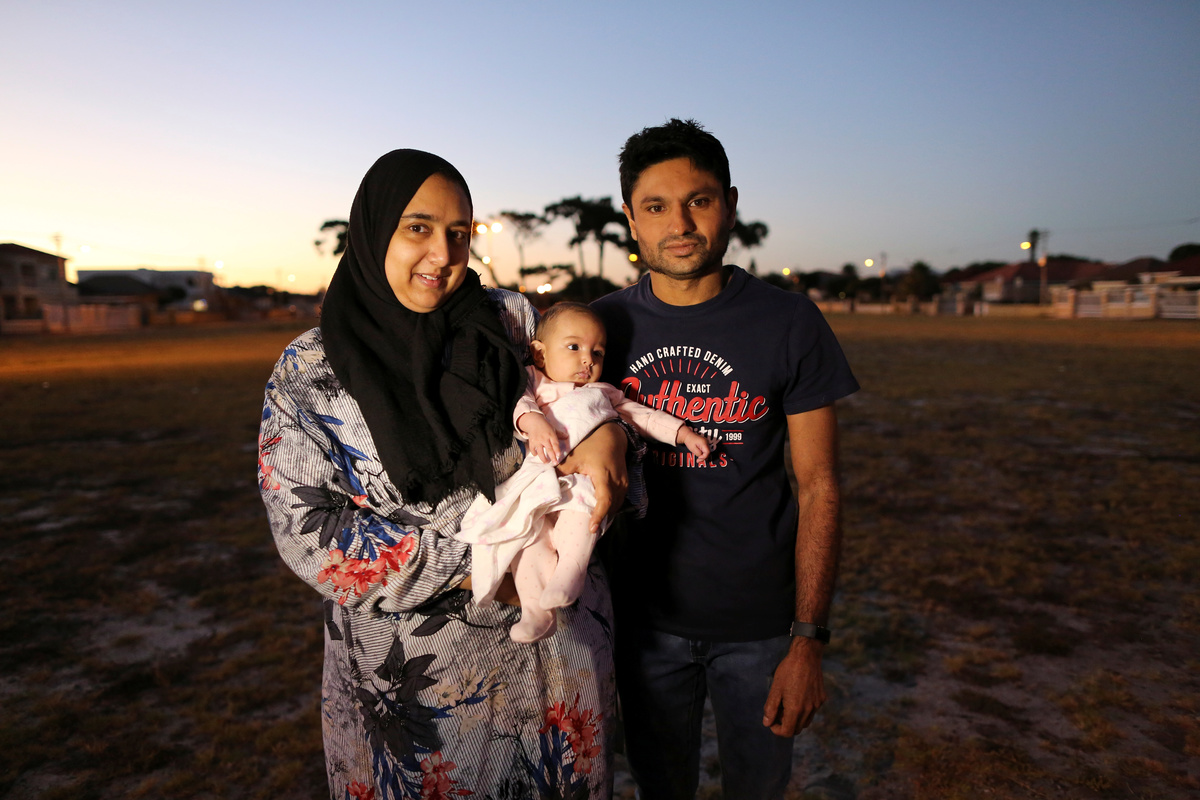
Ferzanah Essack, 36, a software developer and her husband Hassan Essack, 37, a software developer, pose for a portrait with their 4.5-month-old baby Salma on the morning of Ferzanah's first day back to work, in Cape Town, South Africa, February 18, 2019. REUTERS/Sumaya Hisham

Under statutory maternity leave in Belarus mothers are paid their average monthly income for 70 days before birth and 56 days afterwards. Childcare leave can be taken for up to three years after the birth by any working relative or child's guardian. Recipients are paid a fixed sum according to the number of children in the family.

Rutsevich says she feels happy to have had significant time with her baby, and says her country's policy is good.

"The duration of the childcare leave is quite optimal," she said. "I believe that by three years the child is growing up, and his health is improving, and his behavior."
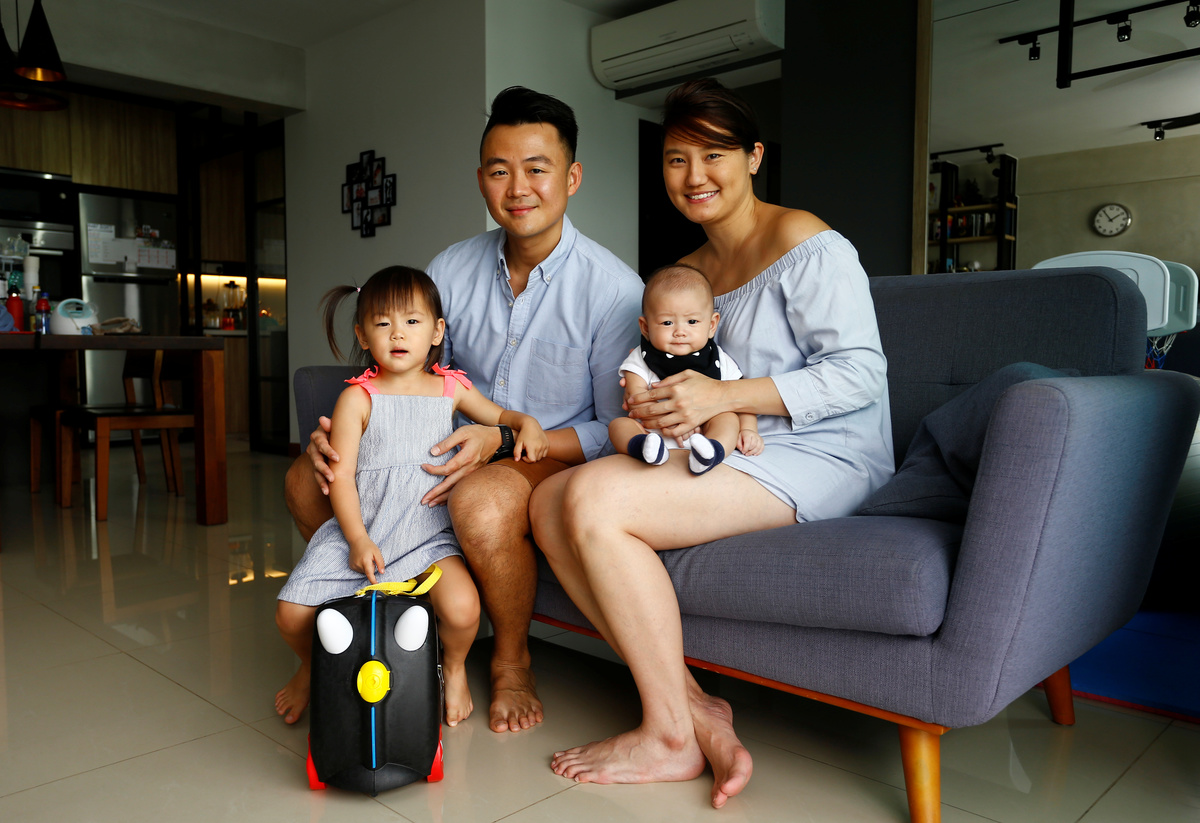
Public relations account director Peiru Ng, 32, poses with her husband, finance manager Kenny Lee, 33, and their two-and-a-half year old daughter Faith and 12-week-old son Scott in her first week back at work, at their home in Singapore, February 17, 2019. REUTERS/Feline Lim

Ferzanah Essack, a 36-year-old mother and software developer in South Africa, says the law there allows for four months maternity leave - although employers are not obliged to pay employees during this time - and 10 days paternity leave.

Essack says she is "very nervous" about going back to work, but her baby, Salma, will be looked after by her mother and mother-in-law for free.

"We pay (for childcare) in love and kisses," she said. "With lots of love, because it's the grannies."
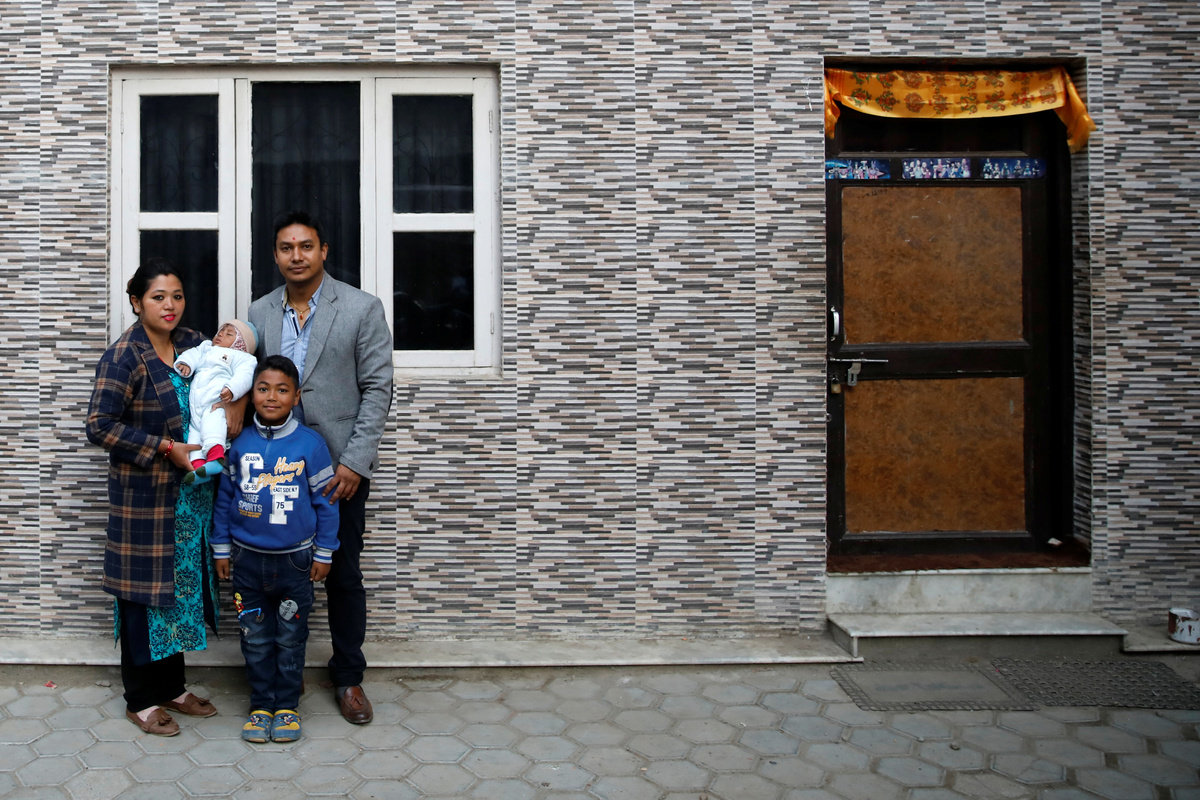
Jenny Shrestha, 34, who works as a supervisor at Prime Commercial Bank LTD, holds her three-months-old son Aayan Shrestha as she poses for a photograph along with her husband Ashish Shrestha, 35, and elder son Aayush Shrestha, 7, in the week Jenny went back to work, in Kathmandu, Nepal, February 25, 2019. REUTERS/Navesh Chitrakar

Click on https://reut.rs/2VItCDv to see a related photo essay.
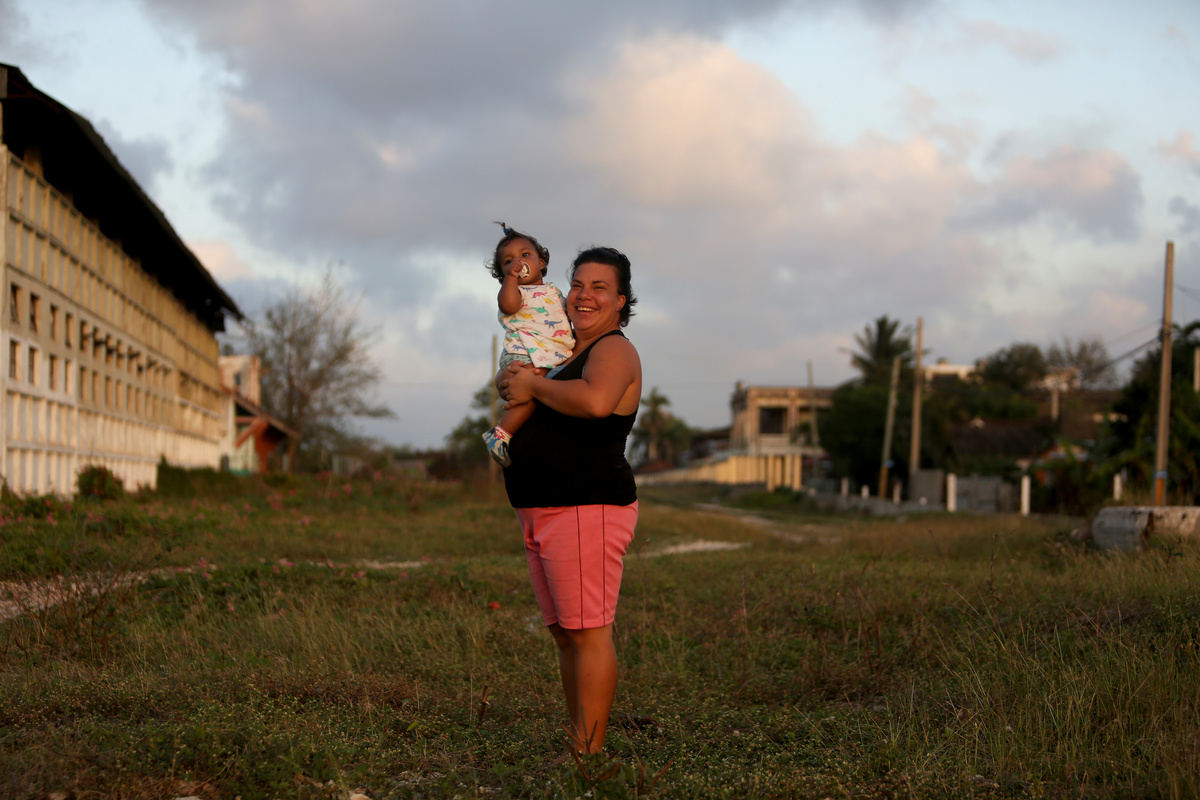
Evelin Naranjo, 31, a teacher at a kindergarten, holds her one-year old daughter Victoria Naranjo as she poses for a photograph in the week she went back to work, in Las Tunas, Cuba, February 18, 2019. REUTERS/Fernando Medina

(Reporting by Callaghan O'Hare in San Antonio, Pilar Olivares in Rio de Janeiro, Eva Plevier in Purmerend,; Vasily Fedosenko in Minsk and Sumaya Hisham in Cape Town. Writing by Kate Kelland in London, editing by Alexandra Hudson)
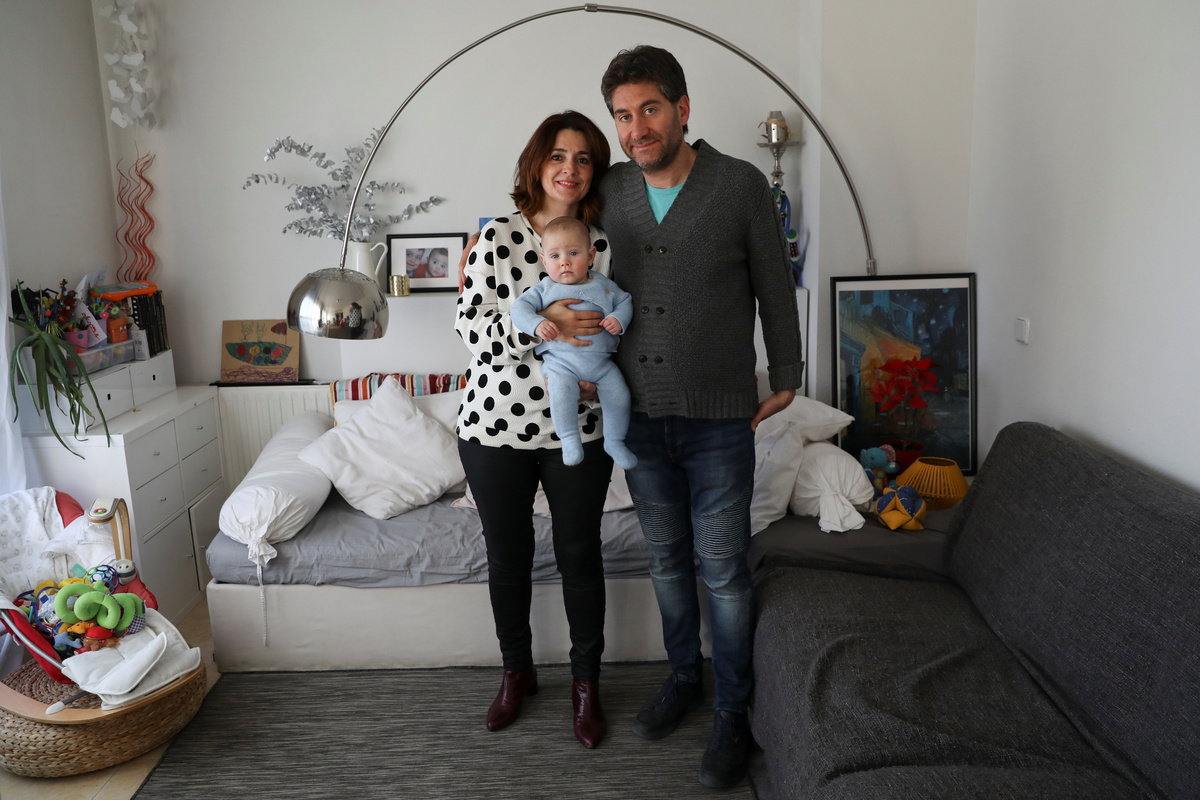
Itziar Rufo Lopez, 42, who works in the communication department of a business foundation, poses with her husband Manuel Blazquez, 41, and their son Asier, five and a half months old, at their home a day after Itziar returned to work, in Madrid, Spain, February 26, 2019. REUTERS/Susana Vera
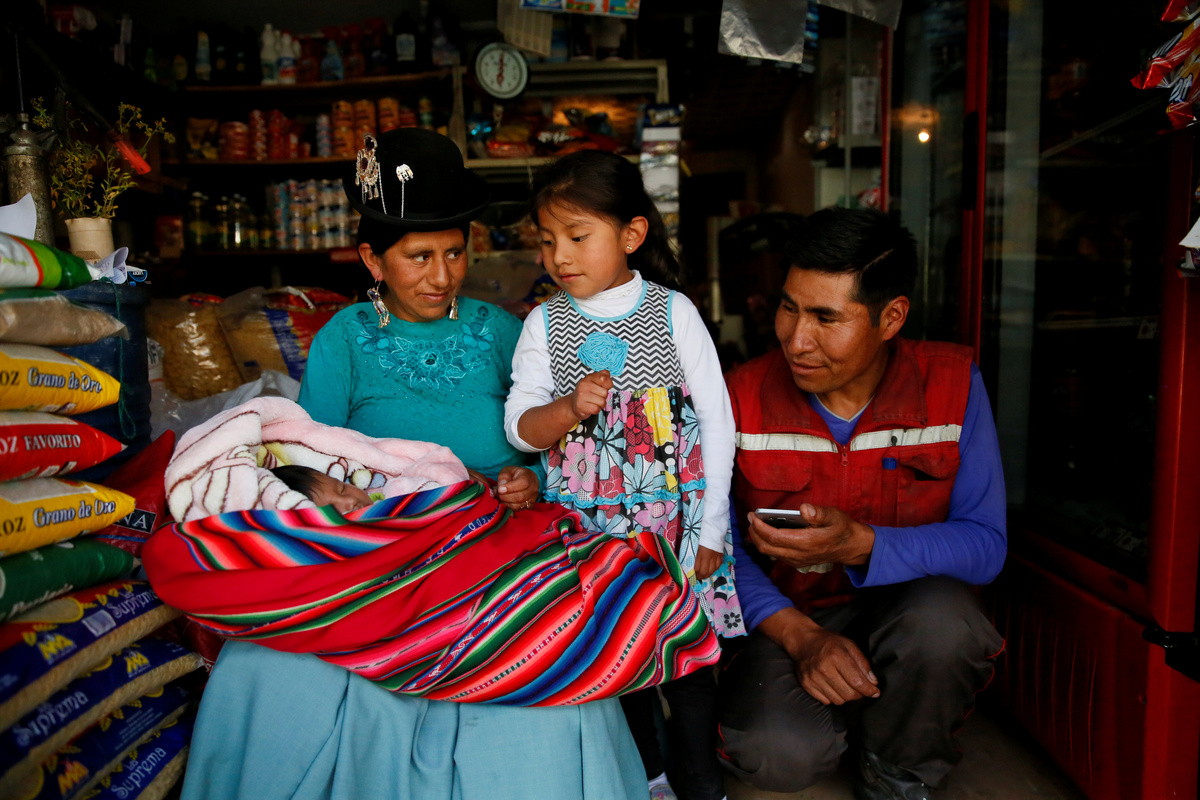
Ana Huanca, 34, her six-week-old baby Luciana, her elder daughter Anabel, 5, and husband Luis Quaquira, 44, a mechanic, pose for a photograph at their food shop in La Paz, Bolivia, February 26, 2019. REUTERS/David Mercado
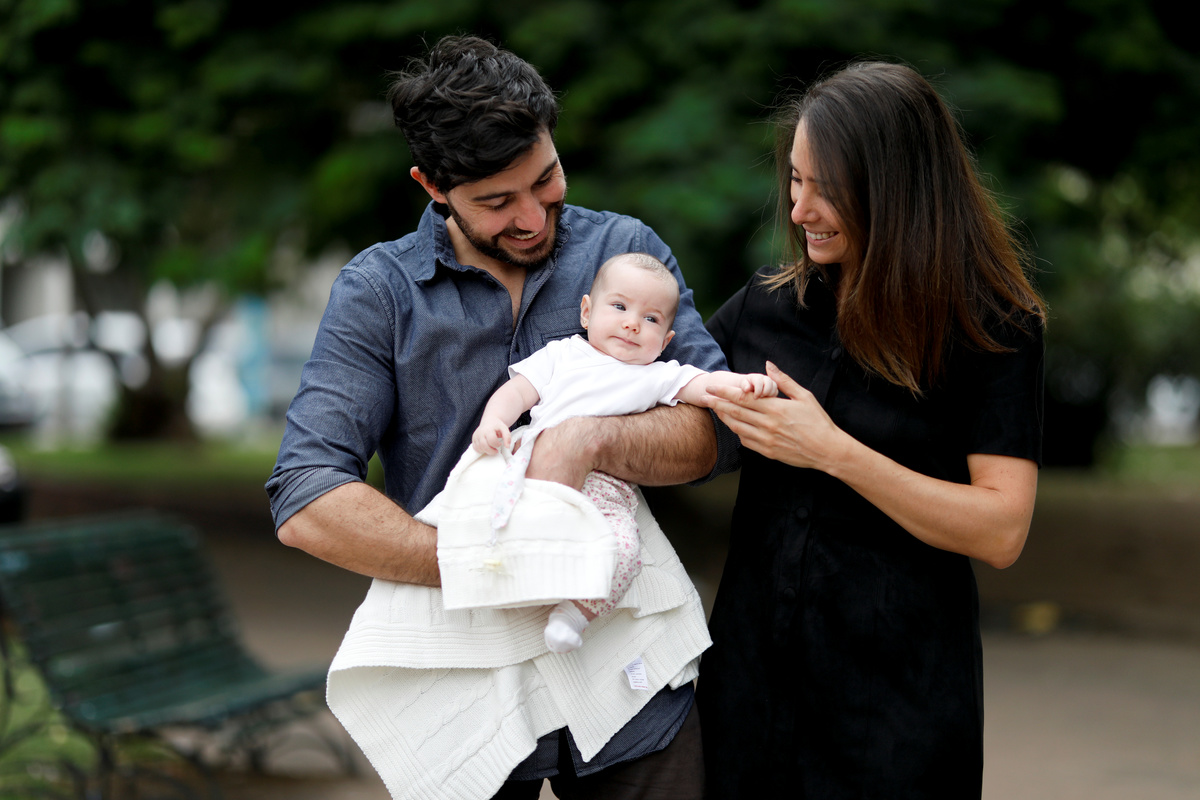
Natalia Segredo, an attorney working for a legal firm, and her husband Mathias Moscardi, a self employed businessman who imports toys, pose with their three-month-old baby Alfonsina in the week Natalia went back to work, in Montevideo, Uruguay, February 14, 2019. REUTERS/Andres Stapff
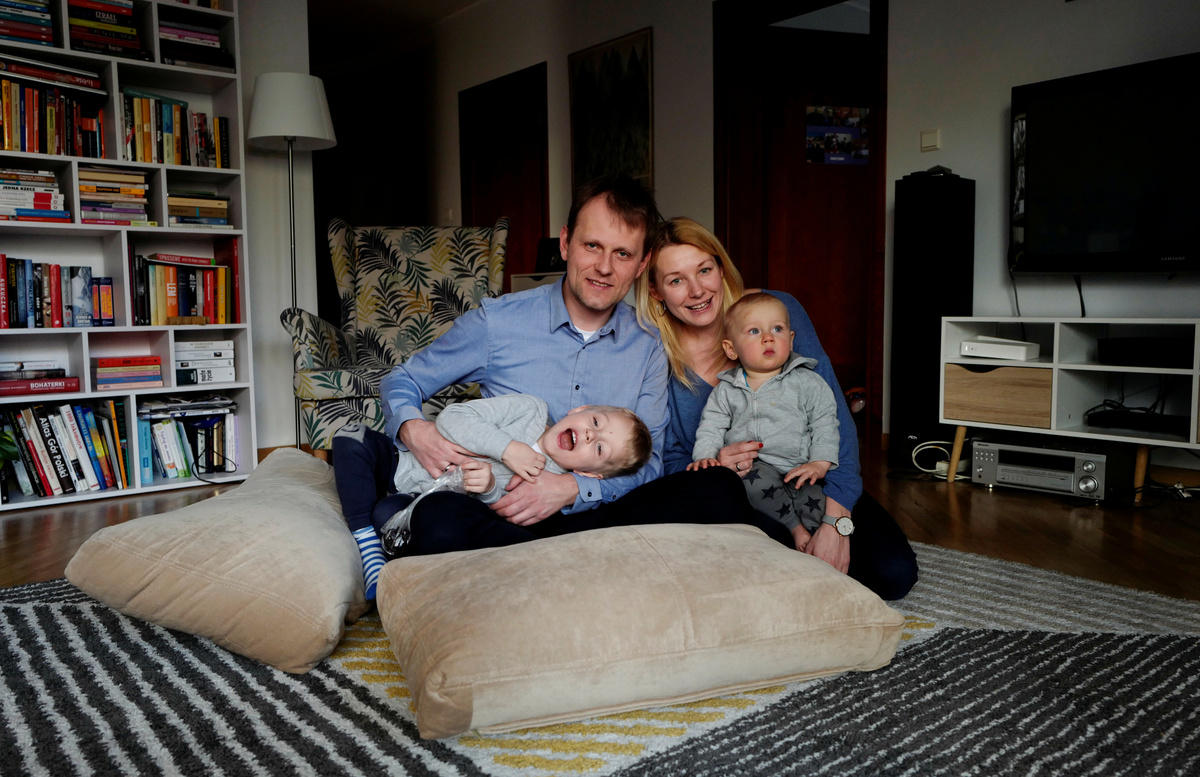
Marlena Mucha, 31, her husband Wojciech Flakiewicz, 39, and sons Borys, 4, and Julek, 1, pose for a photograph at their apartment in Warsaw, Poland, February 26, 2019. REUTERS/Kacper Pempel
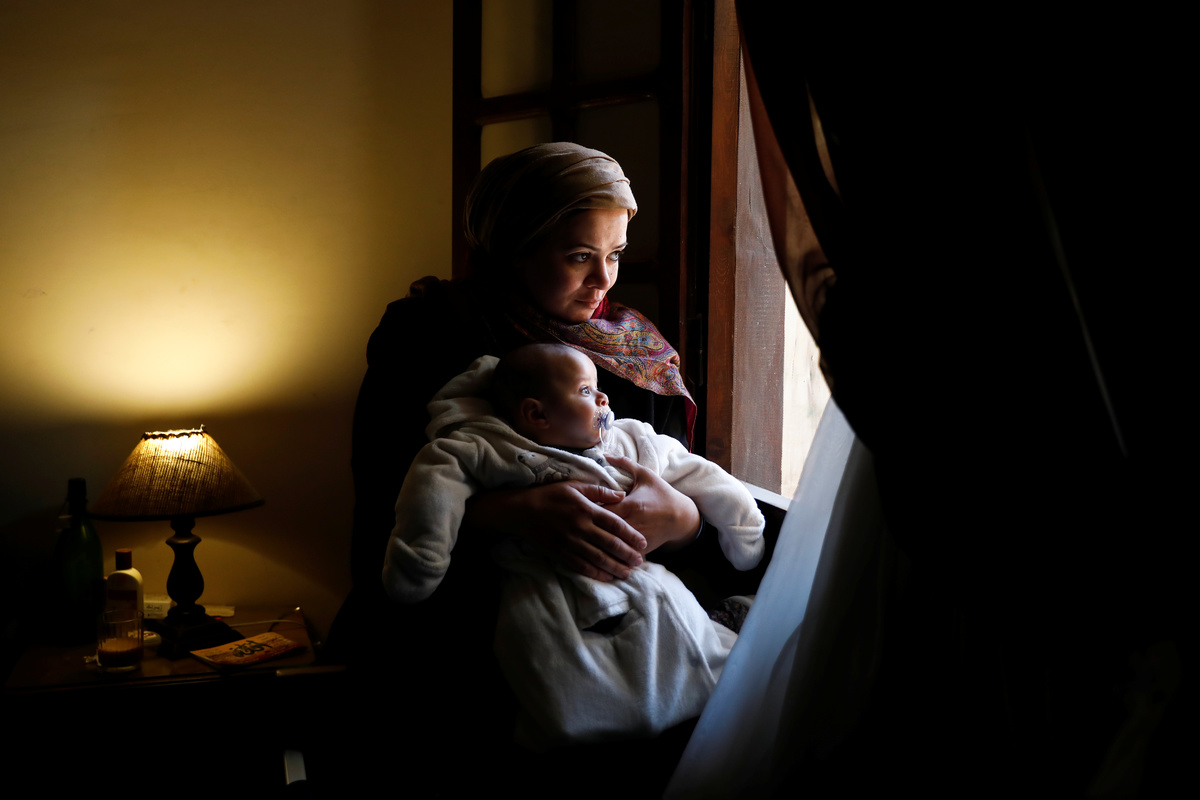
Nahla Mohamed Abdel Rahman, 37, a professor at faculty of applied arts, holds her three-month-old baby Younis, at their house in her first week back at work, in Cairo, Egypt, February 22, 2019. REUTERS/Hayam Adel
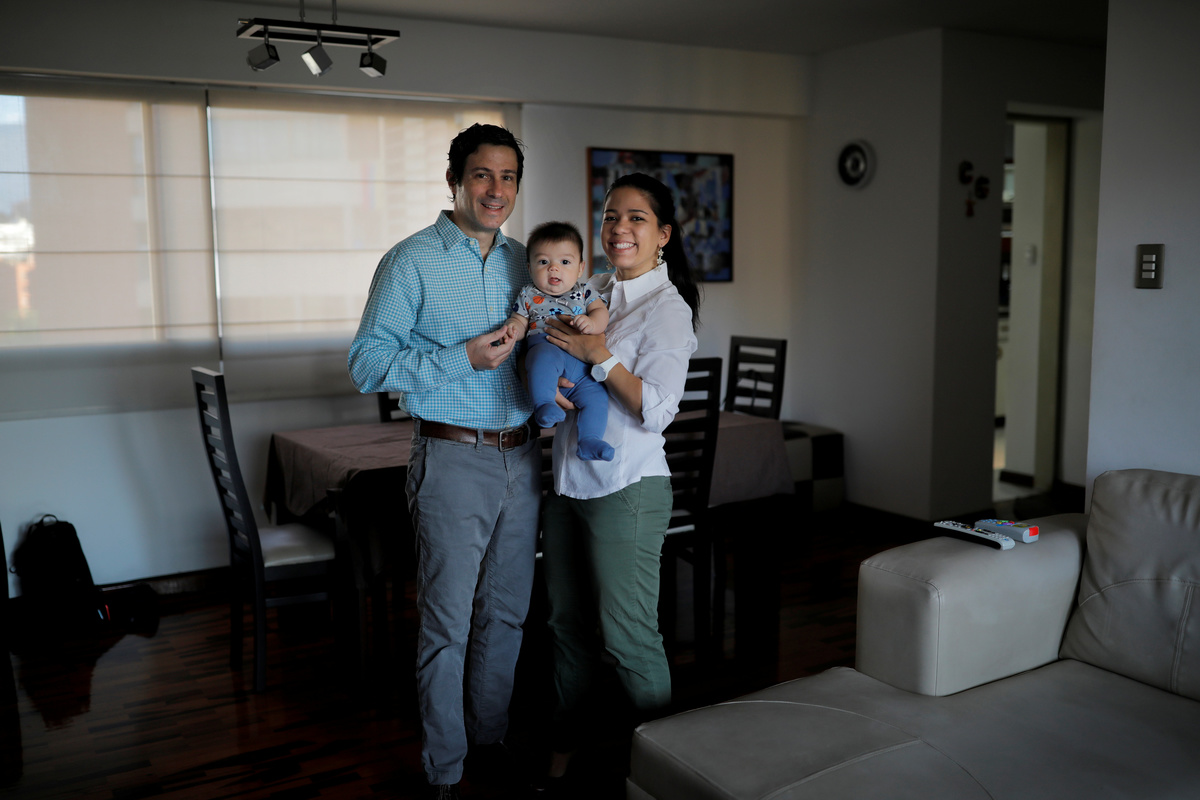
Gabriela Rodriguez, 32, her husband Cesar Dacchille, 46, and their six-month-old son Gianluca, pose for a portrait at the their apartment in the week Gabriela went back to work, in Caracas, Venezuela, February 8, 2019. REUTERS/Carlos Barria
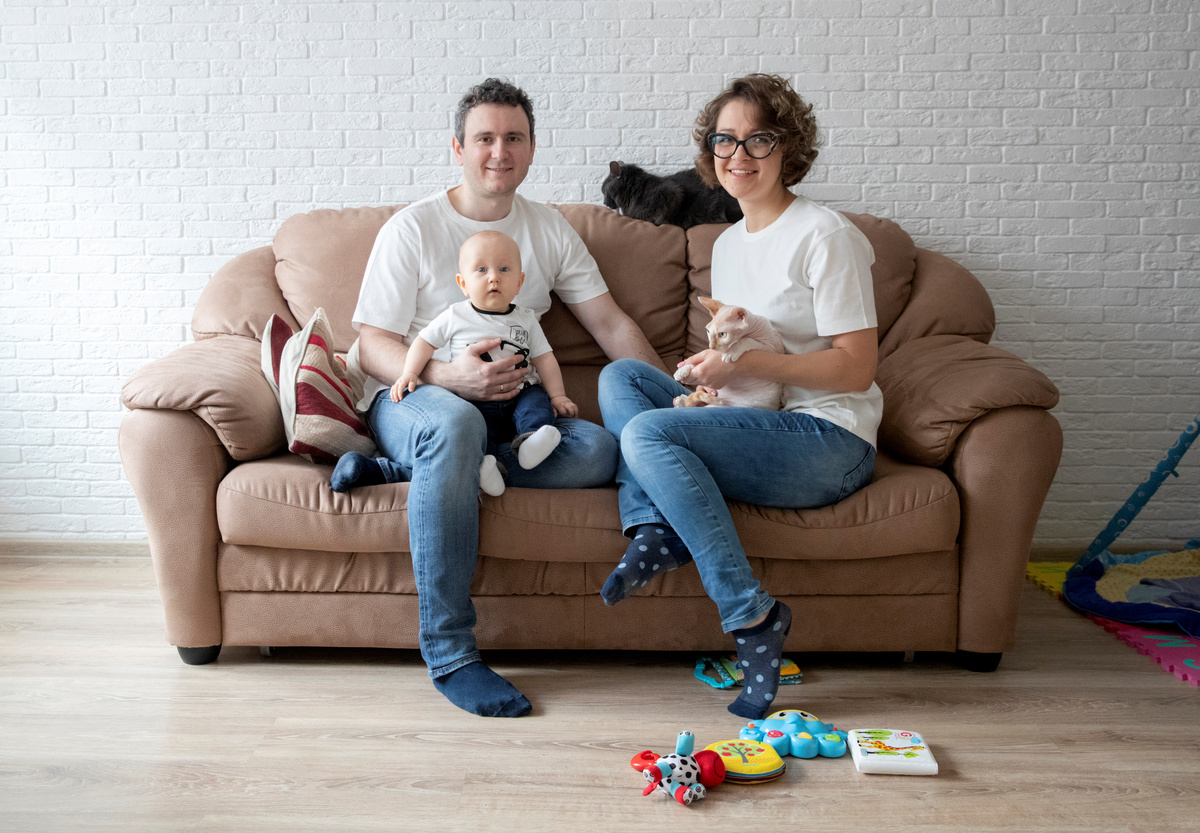
Natalia Bulgakova, 31, a lawyer at a consulting company, her husband Anatoly, an economic analyst, and their seven-month-old son Gleb pose for a portrait in their apartment in Moscow, Russia, February 17, 2019. REUTERS/Maxim Shemetov
Sign up to read this article
Read news from 100’s of titles, curated specifically for you.
Already a member? Sign in here
Related Stories
Top stories on inkl right now
Our Picks
Fourteen days free
Download the app
One app. One membership.
100+ trusted global sources.