A gentler treatment for children whose leukaemia has come back could boost survival and quality of life, a Great Ormond Street study has found.
The new regime reduces the need for intensive chemotherapy and eliminates deaths linked to treatment in children with relapsed leukaemia.
Led by doctors at Great Ormond Street Hospital (Gosh), the UKALL Rel2020 study found that children and young people with relapsed acute lymphoblastic leukaemia (ALL) can be treated safely with significantly less intensive chemotherapy.
The study involved 188 children and young people aged one to 24, taken from 25 UK paediatric cancer centres between 2020 and 2024, having less intensive chemotherapy before transitioning to blinatumomab, a targeted immunotherapy designed to tell the immune system to attack leukaemia cells.
The new approach achieved remission rates of 92 per cent, while long-term survival (82 per cent after three years) was comparable to children on more intensive traditional treatment plans.
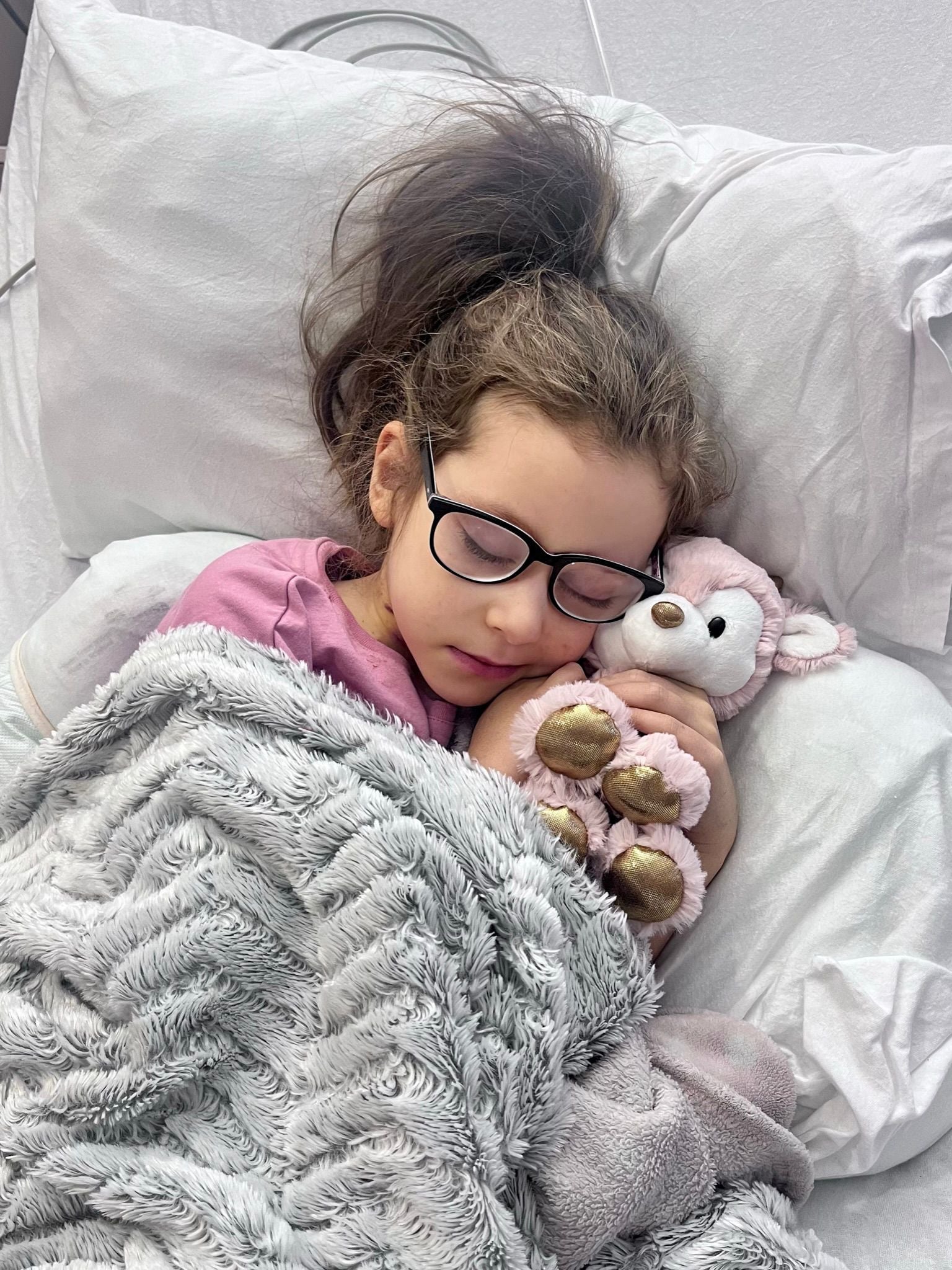
No patients died during the early phase of treatment, which experts said represents a big leap forward in care.
ALL is the most common childhood cancer, with around 400 new cases each year in the UK.
Although cure rates for newly diagnosed disease are high, the cancer coming back remains an issue.
Dr David O’Connor, consultant in paediatric haematology at Gosh, said of the study: “This approach marks a major step forward in developing kinder treatments for children with relapsed cancer.
“The early phase of treatment has traditionally carried significant risks.
“By using lower-intensity chemotherapy and moving rapidly to blinatumomab, we were able to eliminate treatment-related deaths without compromising effectiveness.”
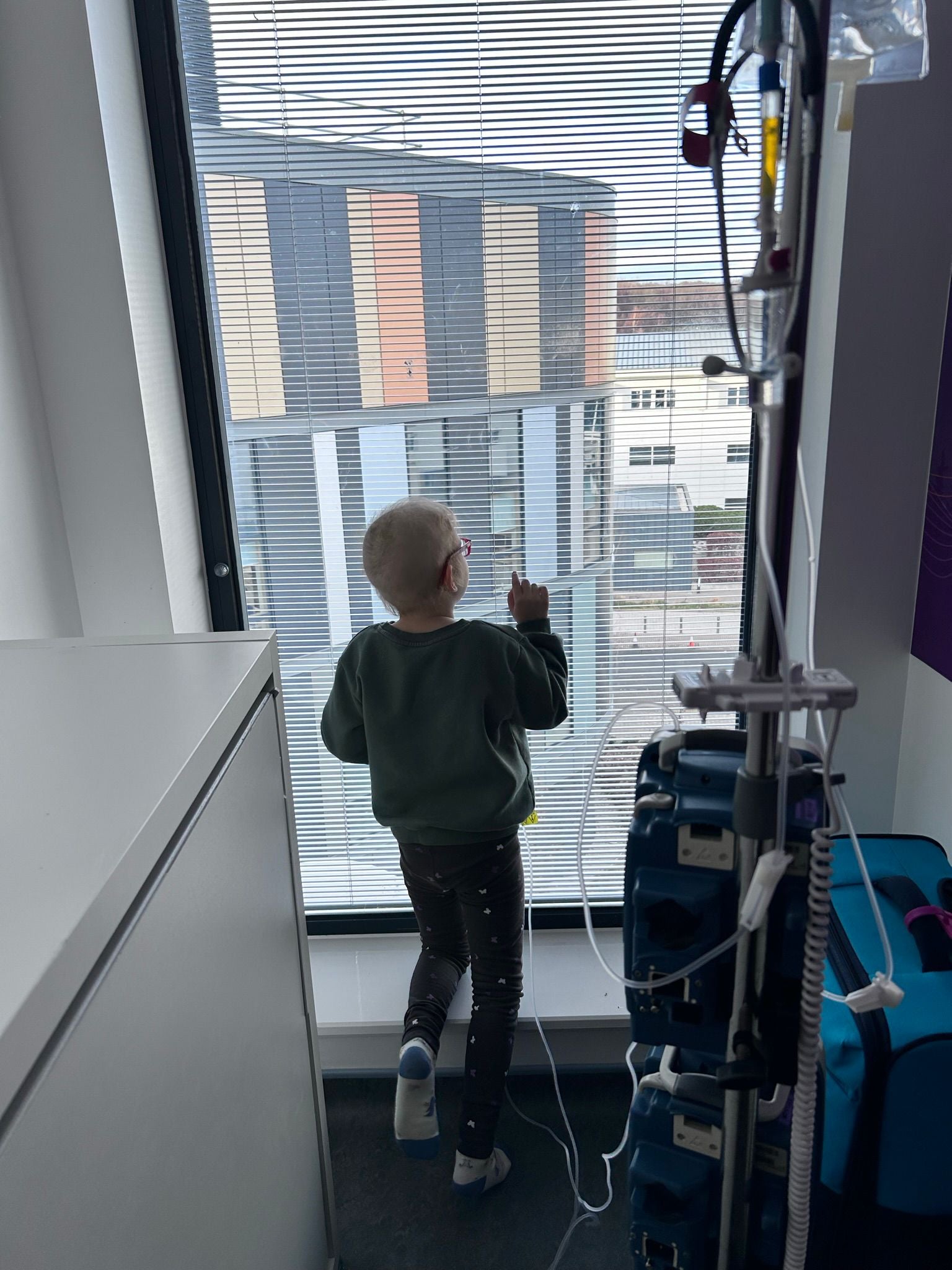
Romyn Winters was two when her parents noticed that she was unable to walk properly.
Her parents, Lisa and John, from Dunbar in East Lothian in Scotland, said: “We were on holiday in Yorkshire when we noticed Romyn’s leg was starting to look weak and she was crawling instead of walking, and then she started to get more unwell and stopped eating.”
In October 2018, tests confirmed Romyn had ALL, and she was taken to NHS Lothian for treatment.
Her parents said: “Romyn had chemotherapy, which had harsh side effects that made her sick.
“Unfortunately, within 18 months following treatment, she had relapsed.
“We were offered a bone marrow transplant or to try blinatumomab with a lower dose of chemotherapy.
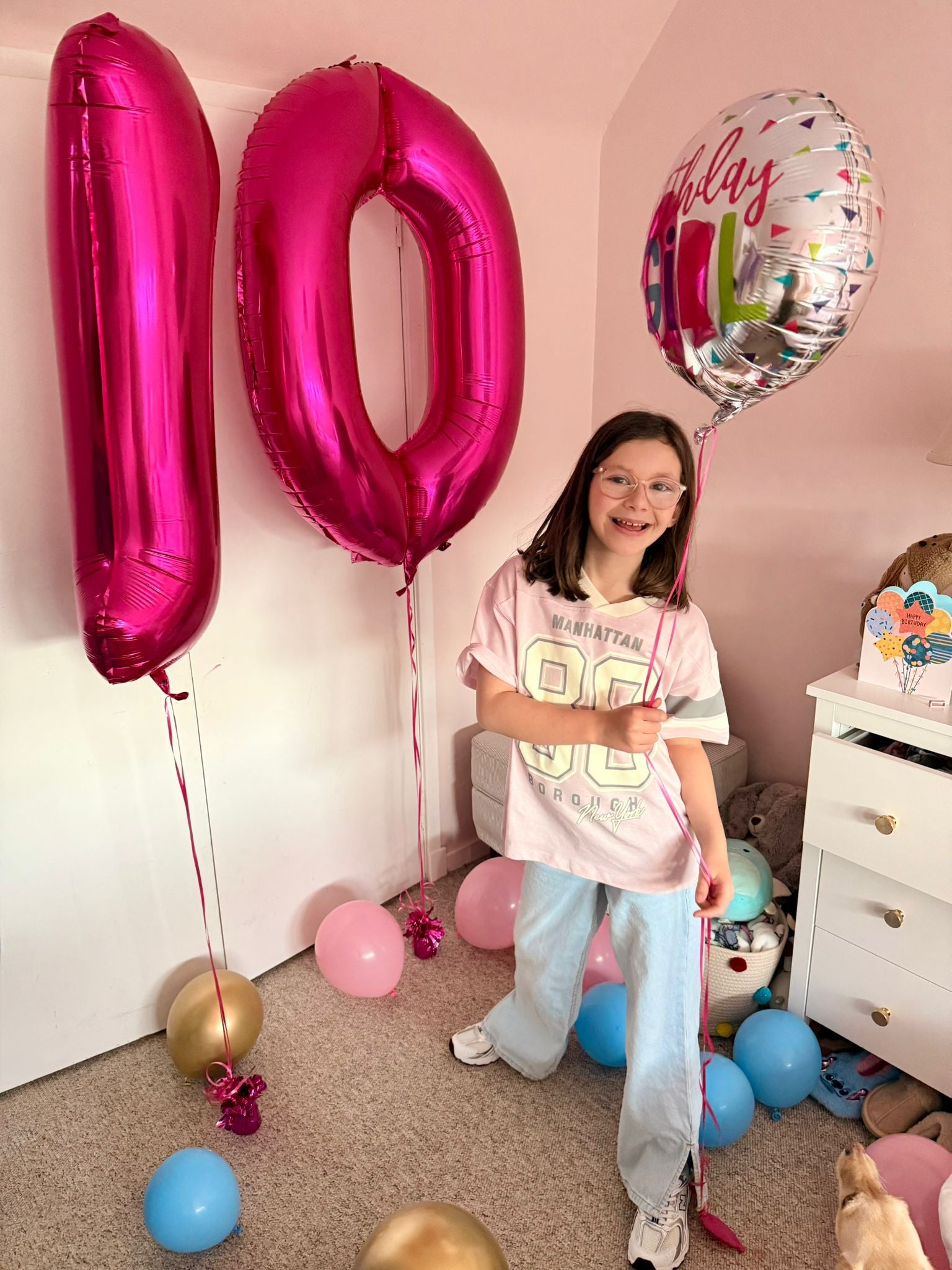
“By this time, Romyn was seven, and we weighed up the options and what her future might look like.
“Blinatumomab sounded scary as it was unknown, but we thought it would give us more options if she didn’t respond to the treatment, and hopefully she’d recover more quickly as it sounded less severe than the stronger chemotherapy.
“Dr Baird and her team supported us really well and kept us informed every step of the way. After a few expected side effects to begin with in hospital, Romyn was coping well and was able to have blinatumomab at home via her pump in a backpack.
Main symptoms of acute lymphoblastic leukaemia
NHS
The main symptoms include:
- feeling tired or weak
- bleeding or bruising easily or for no reason
- looking more pale than usual
- getting ill a lot or taking longer than usual to recover from illnesses
- a high temperature
- swollen glands (usually in the neck, armpits and groin)
- pain in the bones or joints
- loss of appetite or losing weight without trying
- shortness of breath
- a swollen tummy – your tummy may feel painful, uncomfortable or full
“Within days, she was back playing on the trampoline with her brothers, which was great to see.
“Romyn is now off treatment and recovering well, thanks to the blinatumomab being easier for her to tolerate.
“Since having her chemo port removed, she’s been able to take part in new childhood hobbies like her friends.
“We went on holiday to Tenerife and she learnt to swim in a week – we now can’t keep her away from a swimming pool.”
According to Gosh, the clinical trial differs from others because it was delivered as routine NHS care, making the results more representative of real-world patients.